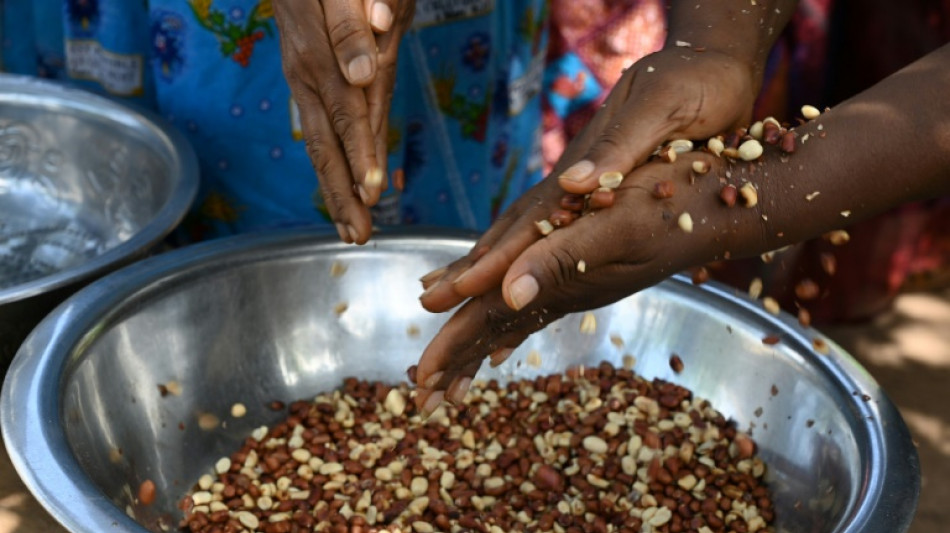
Australia launches landmark peanut allergy treatment for babies / Photo: Issouf SANOGO - AFP/File

 Dangote to launch $16bn refinery in Kenya
 North Korean leader 'extremely obese': Seoul spy agency
 Yankees and pope-backed White Sox start MLB playoffs with wins

 Malaysia's ex-PM Mahathir in hospital for observation

 'No limits': Marathon world record holder Sawe chasing history

 Countdown begins to biggest-ever Rugby World Cup

 Bangladesh women lose ground after quota reform
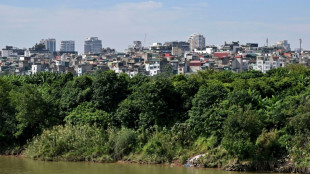 Vietnam admits 'differing opinions' on Hanoi development
 Stocks temper gains as oil pares heavy losses, US data in focus
 New Zealand denies breaching climate commitments to EU

 Albert becomes youngest US scorer in 4-2 win over Chile
 Pirate island's plunging population shows Greece's demographic decline
 With elections ahead, Latvia's Russian-speakers reject Moscow's help
 Brazil football clubs face massive sponsorship blow from betting ban
 ChatGPT maker wants to be the App Store for AI as safety concerns grow

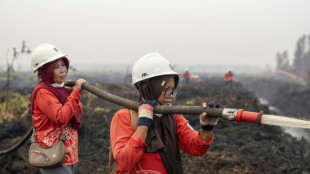 Women fight fires and sexism in Indonesian Borneo

 Forsling's OT blast lifts Florida over Carolina in NHL opener

 Alpha Growth Management Opens Rep Office in Japan

 NBA close to picking new $12-13bn Vegas team owners: report
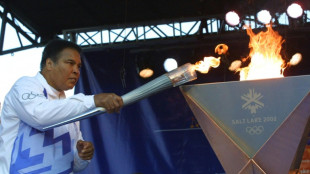 LA28 Olympics torch relay to visit all 50 states
 Spain brush aside Croatia in Nations League, England down Czechs

 Trump hails 'morally binding' AI self-regulation pledge

 Yamal inspires Spain to Croatia romp on World Cup homecoming

 UN to hold fourth informal poll of secretary-general candidates
 Who are the Emiratis behind crisis-hit Manchester City?

Australian children with potentially deadly peanut allergies will be offered life-saving treatment in a nationwide programme touted as a world first.
Eligible babies will receive daily doses of peanut powder for two years to build up their tolerance, said officials announcing the initiative on Wednesday.
Over time, the infants will be given increasing doses in the hope of reducing their sensitivity to peanuts, under the supervision of doctors at 10 paediatric hospitals around the country.
It is the first national peanut allergy treatment programme offered in hospitals outside of a clinical trial setting, said Kirsten Perrett, head of oral immunotherapy at the National Allergy Centre of Excellence.
At the end of the two years, a food allergy test will determine if the treatment has led to a remission.
"Ultimately we want to change the trajectory of allergic disease in Australia so that more children can go to school without the risk of a life-threatening peanut reaction," Perrett said.
Previously, families have been told to ensure their children strictly avoid foods with peanuts.
Australian children have some of the highest rates of food allergies in the world.
Peanut allergies affect three percent of Australian children by the time they are 12 months old, government data shows.
Of those, only 20 percent will outgrow their allergy by the time they are teenagers.
Nine-month-old Hunter Chatwin, who is among those in the free treatment programme, started developing hives after eating peanut butter.
"We are taking part in the programme to try and improve his chance of being able to safely eat peanut in the future," Hunter's mother Kirsten said.
"Many families are desperate to protect their children from allergic reactions and anaphylaxis," she said.
"To have this programme available and free at public hospitals is a game-changer."
If successful, the programme will be rolled out more broadly, including in regional and remote areas.
Deaths from peanut allergies are rare in Australia, but almost 20 percent of the population has an allergic disease, data from Australia's leading allergy institute found.
This figure is estimated to grow by 70 percent by 2050, impacting 7.7 million Australians.
A.O.Scott--AT


