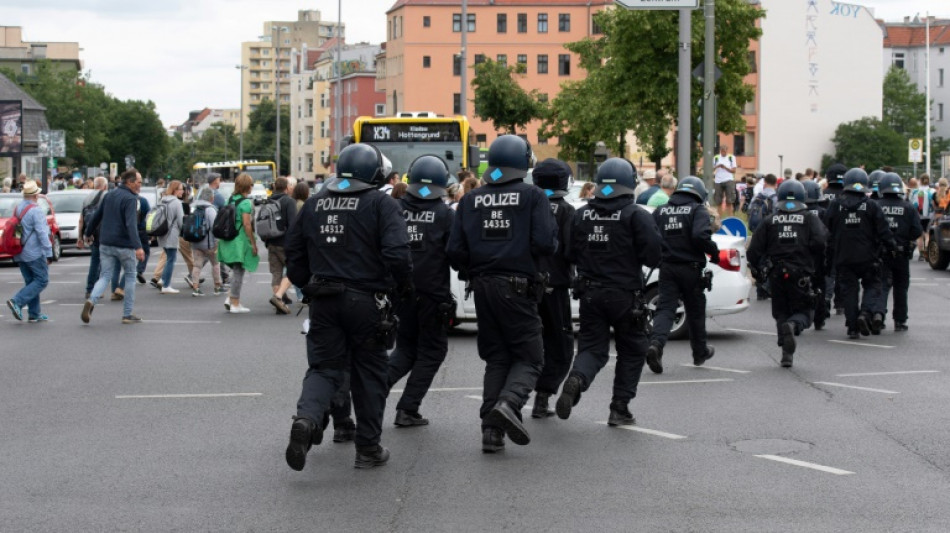
Germany arrests Covid protesters for kidnap plot / Photo: Paul ZINKEN - AFP/File

 Stocks move lower despite oil prices dropping
 AI driving up innovation investment: UN

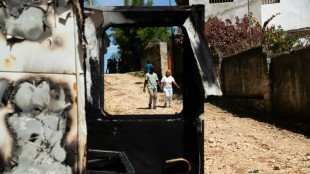 UN Security Council extends Haiti mission by 6 months
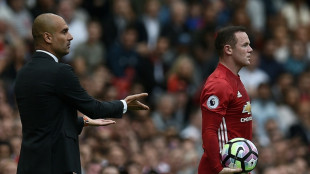 Man Utd do not deserve medals if Man City stripped of titles: Rooney
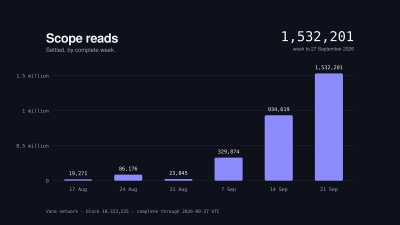 Vana Completes Expanded Staking as Part of the Vega Upgrade, Publishes Expanded VANA Token Economics
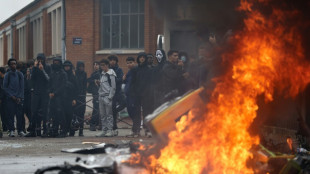
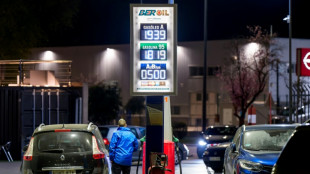 Spain to cap gas price hikes, extend fuel discounts
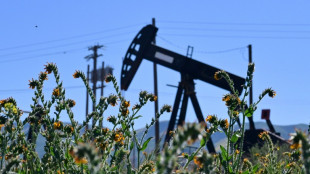
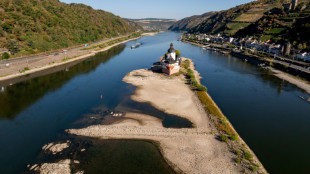 'We just need rain': Germany's Rhine river hits new low
 Yemen health system at 'breaking point': WHO
 Ireland undecided on second Israel match: coach
 France's Le Pen defiant after top ally hit by antisemitism claims

 Tom Cruise trades stunts for satire as toxic tycoon 'Digger'
 MEXC Unveils "WE SEE YOU" Brand Visual Refresh, Putting People Behind Every Trade in Focus
 Thai capital cleans up after deadly floods
 NATO, EU allies rally to Estonia after 'sabotage' blamed on Russia
 Families demand justice for Cameroon's 'nightmare' wave of murdered women
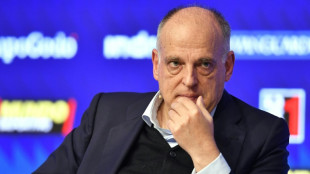 Tebas says Man City should face 'most severe' sanctions if guilty of rule breaches
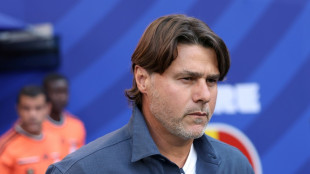 Pochettino calls Man City success 'a period of deception'

 Settler attack on West Bank village injures Israeli forces, drawing rare rebuke
 Mystery over UK airbase scare after reports no explosives found
 Spanish govt races to adopt housing law under protest pressure
 Estonia slams Russian 'sabotage' after arson attack on defence company
 Slovenia sees surge in '.si' sites after Trump hypes 'super intelligence'
 'Like a dream' for An as Games organisers 'sorry' for latest mix-up
 Tokyo suffers longest streak of rainy days on record

 Indonesia charges train driver over crash that killed 16 women
German investigators on Thursday said they had arrested four members of a far-right anti-lockdown group with pro-Russian leanings for planning violent attacks, including a plot to kidnap the country's health minister.
The suspects from the "Vereinte Patrioten" (United Patriots) group are accused of "preparing explosive attacks and other acts of violence" as well as the "kidnapping of well-known public figures", prosecutors in Koblenz said in a joint statement with the Rhineland-Palatinate police.
Health Minister Karl Lauterbach confirmed he was among their targets and had received police protection.
The main aim of the group was to "destroy power supply facilities in order to cause a prolonged nationwide blackout", the investigators said.
"This was intended to cause civil war-like conditions and ultimately overthrow the democratic system in Germany," they said.
Investigators had identified five German suspects aged between 41 and 55 and on Wednesday carried out searches leading to four arrests and the seizure of around two dozen guns, including a Kalashnikov.
Police also found ammunition, around 8,900 euros ($9,700) in cash, gold bars and silver coins and foreign currency worth more than 10,000 euros.
They also seized forged Covid-19 vaccination certificates, as well as several written documents about the group's plans to overthrow the state.
- 'Highly dangerous' -
The Vereinte Patrioten group includes members of the far-right Reichsbuerger (Citizens of the Reich), who reject Germany's democratic institutions, as well as opponents of the government's anti-virus measures, the prosecutors said.
Responding to the news, Lauterbach said some protesters against Covid-19 measures had become "highly dangerous".
A small minority have "not only become radicalised but are now about more than Covid and... are intent on destabilising the state and democracy," he said in a statement.
Roger Lewentz, the interior minister for Rhineland-Palatinate state, said the group's 70 members had plotted using the Telegram encrypted messaging app to "overthrow of the basic democratic order" of Germany.
They were supporters of Russian President Vladimir Putin, he said, expressing a wish "that Putin should also be successful here in Germany so that other systems of government could take hold here".
All of this was "reprehensible" and was nothing less than "right-wing extremist terrorism", Lewentz said.
Federal Interior Minister Nancy Faeser said the group posed a "serious terrorist threat" that Germany would counter "with the full force of the law".
Their kidnapping plans and "violent coup fantasies" represented a "new quality of threat", she said in a statement.
Germany's centre-left-led government under Chancellor Olaf Scholz took office in December pledging a decisive fight against far-right militants after criticism that the previous administration had been lax on neo-Nazi violence.
- Death threats -
Investigators last week swooped on alleged neo-Nazi militant cells across Germany and arrested four suspects in what Der Spiegel magazine called "the biggest blow against the militant neo-Nazi scene in the recent past".
A suspected neo-Nazi was also charged this week with attempting to set off a "race war" in Germany with planned attacks using explosives and guns.
Germany's protests against coronavirus measures have at times drawn tens of thousands of demonstrators, attracting a wide mix of people, including vaccine sceptics, neo-Nazis and members of the far-right AfD party.
The country's domestic intelligence agency last year said it would start monitoring the "Querdenker" (Lateral Thinkers) anti-lockdown movement over concerns it posed a threat to democracy and had ties to right-wing extremism.
The Telegram encrypted messaging app has played a key role in mobilising turnout at some of the most violent protests, and has also been used to spread death threats against politicians.
Police announced in February that they were setting up a special force to investigate offending posts on the app, identifying and prosecuting authors.
However, anti-lockdown protests have died down in recent weeks in Germany since the easing of virus restrictions and after a proposal for compulsory vaccination was defeated in parliament.
J.Gomez--AT