Covid increases risk of blood clots for up to six months: study

 Stocks move lower despite oil prices dropping

 AI driving up innovation investment: UN

 UN Security Council extends Haiti mission by 6 months

 Man Utd do not deserve medals if Man City stripped of titles: Rooney
 Vana Completes Expanded Staking as Part of the Vega Upgrade, Publishes Expanded VANA Token Economics

 Spain to cap gas price hikes, extend fuel discounts

 'We just need rain': Germany's Rhine river hits new low
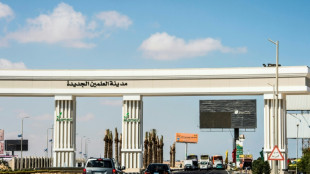
 Yemen health system at 'breaking point': WHO

 Ireland undecided on second Israel match: coach

 France's Le Pen defiant after top ally hit by antisemitism claims

 Tom Cruise trades stunts for satire as toxic tycoon 'Digger'

 MEXC Unveils "WE SEE YOU" Brand Visual Refresh, Putting People Behind Every Trade in Focus

 Thai capital cleans up after deadly floods

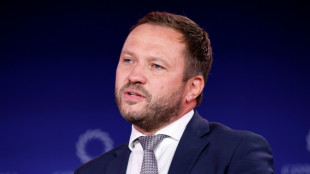 NATO, EU allies rally to Estonia after 'sabotage' blamed on Russia

 Families demand justice for Cameroon's 'nightmare' wave of murdered women

 Tebas says Man City should face 'most severe' sanctions if guilty of rule breaches

 Pochettino calls Man City success 'a period of deception'

 Settler attack on West Bank village injures Israeli forces, drawing rare rebuke

 Mystery over UK airbase scare after reports no explosives found

 Spanish govt races to adopt housing law under protest pressure

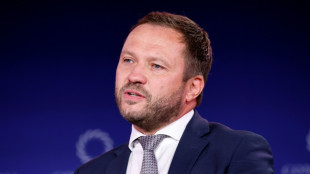 Estonia slams Russian 'sabotage' after arson attack on defence company

 Slovenia sees surge in '.si' sites after Trump hypes 'super intelligence'

 'Like a dream' for An as Games organisers 'sorry' for latest mix-up

 Tokyo suffers longest streak of rainy days on record

 Indonesia charges train driver over crash that killed 16 women

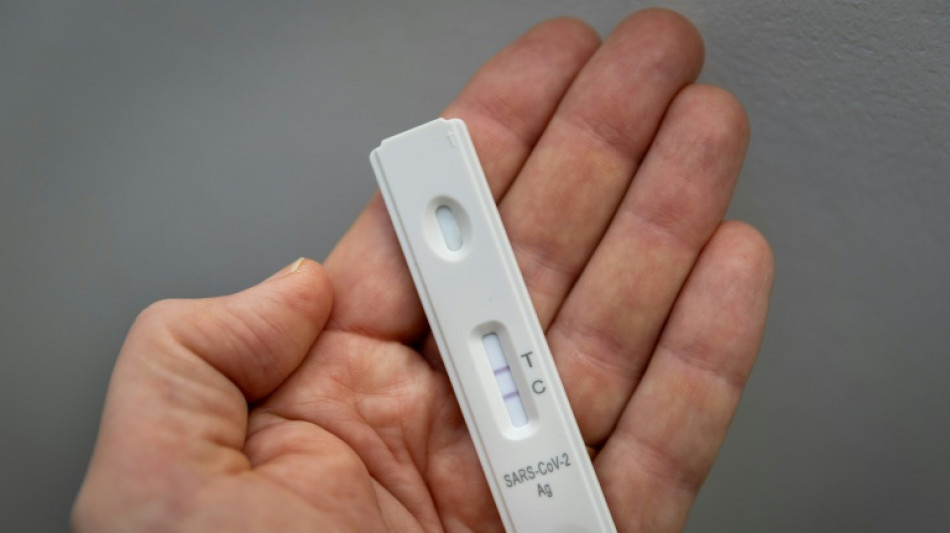
People who have had Covid-19 have an increased risk of developing serious blood clots for up to six months after getting infected, even in mild cases, a study said Thursday.
Previous research has indicated that Covid raises the risk of blood clots, but the new study in the BMJ medical journal shows how long the threat can linger
To find out, researchers compared data from more than a million people in Sweden's national registries who contracted Covid from February 2020 to May 2021, with a control groups of over four million who did not test positive.
They found that those with Covid had a higher risk of pulmonary embolism, a blood clot that blocks arteries in lungs, up to six months after infection.
There was also an increased danger of deep vein thrombosis -- a blood clot normally in legs -- up to three months after contracting Covid.
After adjusting for a range of factors, they found a 33-fold increase in the risk of pulmonary embolism for those who had Covid, as well as a five-fold rise for deep vein thrombosis.
People who suffered severe symptoms from Covid those with pre-existing conditions were more at risk, the study found.
But even people who had mild cases that did not need hospitalisation had a higher danger of pulmonary embolism and deep vein thrombosis.
The chance of clotting was higher during the first wave of the pandemic than later stages, which the researchers said was due to vaccine coverage and better treatments as time went on.
The researchers said their findings had "major policy implications", calling for more treatment to prevent blood clots from developing, particularly in high risk cases.
They also emphasised that their results highlighted the importance of getting vaccinated.
In a linked editorial, researchers from the University of Glasgow not involved in the study said it "reminds us of the need to remain vigilant to the complications associated with even mild SARS-CoV-2 infection".
R.Chavez--AT