The suffering of those who cannot feel pain

 Stocks move lower despite oil prices dropping

 AI driving up innovation investment: UN

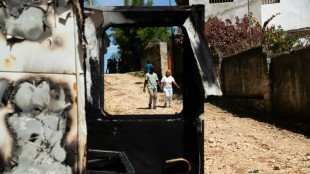 UN Security Council extends Haiti mission by 6 months

 Man Utd do not deserve medals if Man City stripped of titles: Rooney

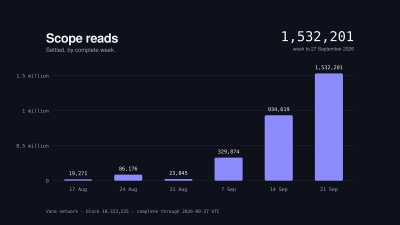 Vana Completes Expanded Staking as Part of the Vega Upgrade, Publishes Expanded VANA Token Economics

 Spain to cap gas price hikes, extend fuel discounts

 'We just need rain': Germany's Rhine river hits new low

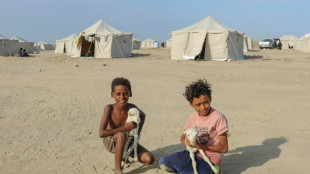 Yemen health system at 'breaking point': WHO
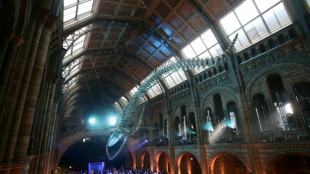
 Ireland undecided on second Israel match: coach

 France's Le Pen defiant after top ally hit by antisemitism claims

 Tom Cruise trades stunts for satire as toxic tycoon 'Digger'

 MEXC Unveils "WE SEE YOU" Brand Visual Refresh, Putting People Behind Every Trade in Focus

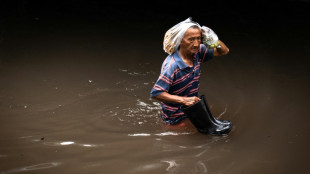 Thai capital cleans up after deadly floods

 NATO, EU allies rally to Estonia after 'sabotage' blamed on Russia
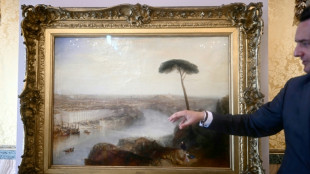
 Families demand justice for Cameroon's 'nightmare' wave of murdered women

 Tebas says Man City should face 'most severe' sanctions if guilty of rule breaches

 Pochettino calls Man City success 'a period of deception'

 Settler attack on West Bank village injures Israeli forces, drawing rare rebuke

 Mystery over UK airbase scare after reports no explosives found

 Spanish govt races to adopt housing law under protest pressure

 Estonia slams Russian 'sabotage' after arson attack on defence company

 Slovenia sees surge in '.si' sites after Trump hypes 'super intelligence'

 'Like a dream' for An as Games organisers 'sorry' for latest mix-up
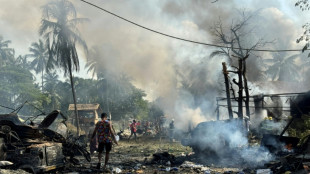
 Tokyo suffers longest streak of rainy days on record

 Indonesia charges train driver over crash that killed 16 women
Patrice Abela first knew something was wrong when his eldest daughter was learning to walk and her feet left trails of blood behind her, yet she showed no sign of distress.
She was soon diagnosed with congenital insensitivity to pain, an extremely rare and dangerous genetic disorder that dooms sufferers to a lifetime of hurting themselves in ways they cannot feel.
Abela, a 55-year-old software developer in the southern French city of Toulouse, then watched in horror as his youngest daughter was revealed to have the same condition.
Now aged 12 and 13, the two girls spend around three months of every year in hospital.
"When they take a shower, they perceive hot and cold, but if it burns they don't feel anything," the father of four told AFP.
"Due to repeated infections, my eldest daughter lost the first joint of each of her fingers. She also had to have a toe amputated."
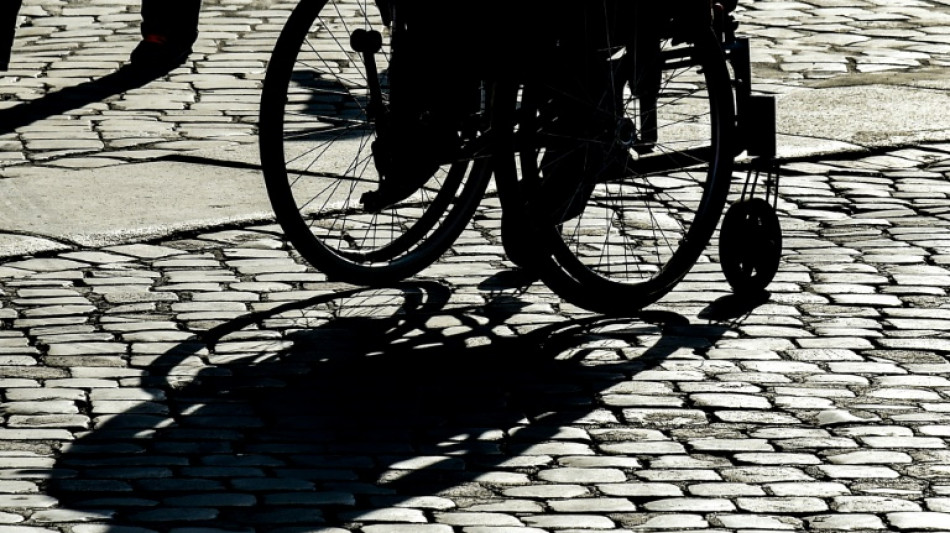
Repeated knee injuries have left both girls only able to move around using crutches or a wheelchair.
Abela said they may not feel physical pain but lamented their intense "psychological pain".
Aiming to raise awareness about the disease and "challenge the scientific community", Abela plans to run the equivalent of 90 marathons in fewer than four months. He plans to start on April 12, following the route of this year's Tour de France from Copenhagen to Paris.
- Danger everywhere -
A life without pain might sound like a dream come true but the reality is more like a nightmare.
There are only a few thousand known cases of the condition worldwide. The low number is believed to be partly due to sufferers often not living into adulthood.
"Pain plays a major physiological role in protecting us from the dangers of our environment," said Didier Bouhassira, a doctor at the centre for pain evaluation and treatment at Ambroise-Pare hospital in Paris.
In the most extreme cases, babies will "mutilate their tongue or fingers while teething", he told AFP.
Then comes "a lot of accidents, burns, walking on fractured limbs which heal badly", he added.
"They have to be taught what is innate in others: to protect themselves."
But when there are no warning signs, danger lurks everywhere.
Appendicitis, which announces itself in others via symptoms like pain and fever, can fester into a devastating general infection of the abdomen.
"Blindness can also occur because the eye must always be kept moist and the nervous system controls these processes via the so-called blink reflex," said Ingo Kurth of Germany's Institute of Human Genetics.
- New painkiller hopes -
Congenital insensitivity to pain (CIP) was first recognised in the 1930s, and numerous studies have since identified a genetic mutation that blocks a person's ability feel pain.
"We have learned that there are now more than 20 genetic causes of congenital or progressive insensitivity to pain," Kurth told AFP.
There is no cure and "no real drug breakthroughs have been made so far", Kurth said.
"But our understanding of the molecular causes of CIP continues to reveal new targets, and based on this, hopefully new therapies will be developed in the coming years."
There are also hopes that studying how CIP works could lead to the development of a new kind of painkiller, prompting huge interest from pharmaceutical giants seeking a fresh product in the billion-dollar industry of pain relief.
In this way, the unlucky few with CIP could contribute to the creation of a treatment that would help everyone in the world -- except themselves.
E.Flores--AT