'Dying with dignity': Dutch mark 20 years of euthanasia

 Stocks move lower despite oil prices dropping
 AI driving up innovation investment: UN

 UN Security Council extends Haiti mission by 6 months
 Man Utd do not deserve medals if Man City stripped of titles: Rooney

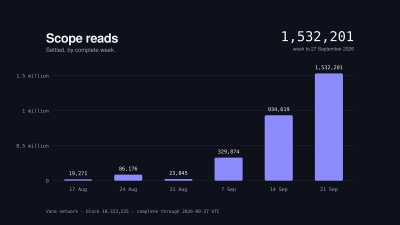 Vana Completes Expanded Staking as Part of the Vega Upgrade, Publishes Expanded VANA Token Economics

 Spain to cap gas price hikes, extend fuel discounts

 'We just need rain': Germany's Rhine river hits new low

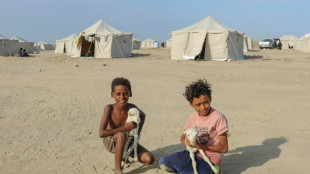 Yemen health system at 'breaking point': WHO
 Ireland undecided on second Israel match: coach
 France's Le Pen defiant after top ally hit by antisemitism claims
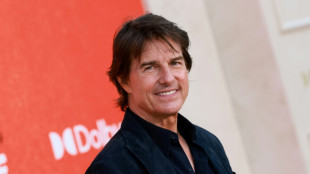 Tom Cruise trades stunts for satire as toxic tycoon 'Digger'
 MEXC Unveils "WE SEE YOU" Brand Visual Refresh, Putting People Behind Every Trade in Focus
 Thai capital cleans up after deadly floods
 NATO, EU allies rally to Estonia after 'sabotage' blamed on Russia
 Families demand justice for Cameroon's 'nightmare' wave of murdered women

 Tebas says Man City should face 'most severe' sanctions if guilty of rule breaches

 Pochettino calls Man City success 'a period of deception'

 Settler attack on West Bank village injures Israeli forces, drawing rare rebuke
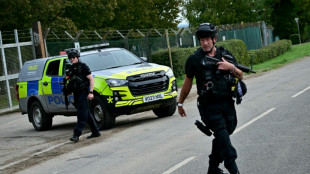 Mystery over UK airbase scare after reports no explosives found
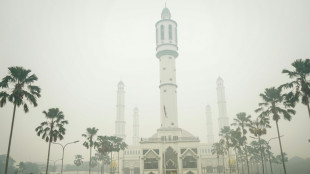
 Spanish govt races to adopt housing law under protest pressure
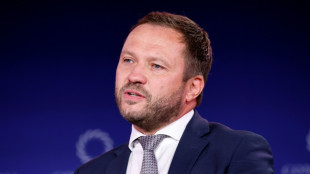 Estonia slams Russian 'sabotage' after arson attack on defence company

 Slovenia sees surge in '.si' sites after Trump hypes 'super intelligence'
 'Like a dream' for An as Games organisers 'sorry' for latest mix-up
 Tokyo suffers longest streak of rainy days on record

 Indonesia charges train driver over crash that killed 16 women

Golden butterflies adorn the walls of the Netherland's only euthanasia expertise centre, put up in remembrance of thousands of patients who have chosen to die with dignity over the past two decades.
Situated in a leafy upmarket suburb of The Hague, the Euthanasia Expertise Centre is the only one of its kind, giving information, assisting medical doctors and providing euthanasia as end-of-life care, which was legalised in a world first in the Netherlands on April 1, 2002.
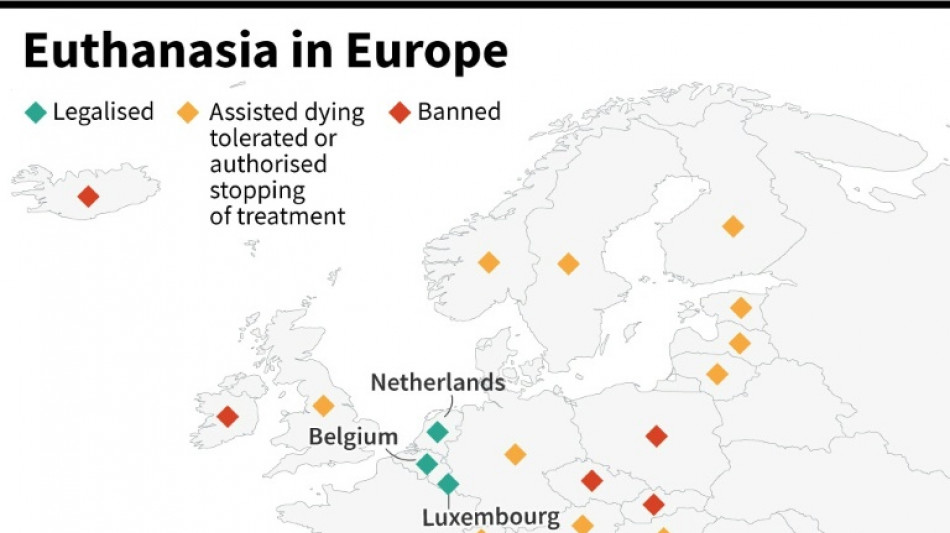
Belgium soon followed later that year and Spain last year became the sixth country to adopt euthanasia -- the act of intentionally ending a life to relieve a person's suffering, for instance through a lethal injection given by a doctor.
The number of people seeking euthanasia is growing in the Netherlands, with some 7,666 last year, up by more than 10 percent from the year before, according to official figures.
The vast majority are aged 60 or over, suffering from cancer or other terminal illnesses.
"Twenty years ago, when the law was passed it was known, but certainly not used as often as today," said Sonja Kersten, director of the Euthanasia Expertise Centre.
The reasons are many: an ageing Dutch population; the fact that euthanasia is no longer a taboo subject and society has opened up to the issue.
"Dying with dignity is a debate that's growing within Dutch society, which is quite open to the subject," Kersten said.
- 'Existential question' -
Euthanasia is only authorised in a few countries around the world.
In Belgium, which will mark two decades of euthanasia in May, some 40 French citizens also benefitted from the practice last year.
The decision to ask for euthanasia as end-of-life care remains a "difficult and existential question", Kersten said.
"It's neither a patient's right, nor a doctor's duty," to have euthanasia, she added.
In the Netherlands, euthanasia can only be carried out under strict conditions set down in Dutch law.
Children aged up to 16 need the permission of their parents and guardians, while parents must be involved in the process for children aged 16 and 17. From 18, any Dutch citizen may ask for assisted death.
In all cases, the patient must have "unbearable suffering with no prospect of improvement" and must have requested to die in a way that is "voluntary, well considered and with full conviction".
Other criteria apply as well, like the absence of a reasonable alternative to the patient's situation.
Doctors, too, cannot be forced to perform euthanasia.
- 'Die at home' -
The Euthanasia Expertise Centre helps doctors through the process by sharing knowledge and providing guidance. At the same time, the centre helps patients whose doctors refuse to help them.
The centre, established in 2012, is a foundation but patient care is reimbursed by health insurers.
It first positioned itself as the "Levenseindekliniek", Dutch for "End-of-life clinic", offering on-site euthanasia.
But even before the start, it became apparent that most patients preferred to die at home, Kersten said.
Today, the centre can call upon a network of about 140 doctors and nurses around the country, employed by the Euthanasia Expertise Centre.
Most euthanasia requests, however, are handled by the patient's own physician, with whom they already have a relationship of trust. Last year, this was the case for 80 percent of euthanasias performed in the country.
"There are however still doctors in the Netherlands who are opposed to euthanasia," said Kersten, adding "they have every right".
The centre's medical team itself provided euthanasia to nearly 900 people in 2020, out of nearly 3,000 requests, with figures on the rise.
About 20 percent had dementia or psychiatric disorders.
The Netherlands' highest court ruled in 2020 that doctors can euthanise patients with severe dementia without the fear of prosecution.
It concerns patients with advanced dementia who are no longer mentally competent, but who previously had a clear request for euthanasia.
The decision followed a landmark case, not related to the Expertise centre, in which a doctor was acquitted of providing euthanasia on a woman in 2016 with severe Alzheimer's disease, who earlier requested the procedure.
A.Clark--AT