-
 In Manchester, people say City scandal is 'shame for football'
-
Haze pushes Kuala Lumpur, Singapore into world's most polluted cities
-
 Stocks lacklustre as inflation data weighs on sentiment
-
Dangote's $16bn Kenya refinery 'new chapter' for Africa
-
 Israel-bound plane rerouted, pilots wounded in reported fight
-
Ireland coach Hallgrimsson confirms second Israel game will go ahead
-
 Truth commission on Sweden's Sami people seeks redress
-
Swift concert attack plan convict fails to get Disney damages

-
 Energy costs spark inflation surges in France, Italy
-
Ocon to leave Haas at end of F1 season

-
 South Korea break China hearts to reach Asian Games football final
-
Indonesia razes poolside prison 'villas' where whisky, TVs seized
-
 Eala storms into Asian Games semi-finals to thrill adoring fans
-
Japan court rules human voice is protected in TikTok AI case

-
 Turkey freezes ex-minister's assets as fund crisis grows
-
French inflation jumps to 3% in September on energy costs
-
 What we know about the North Korean POW dispute
-
South Korea score late to reach Asian Games football final
-
 Most equities rise after oil price plunge, US data in focus
-
Tom Kim defies jet-lag, Kho cards ace as Asian Games golf begins
-
 Polar oceans transformed as warming melts ice habitats: research
-
Thai teen rocker Nene aims to tour, write music... and return to school
-
 Lost shark becomes viral star in South Korea
-
Ivory Coast clamps down on harmful illegal gold rush
-
 Dangote to launch $16bn refinery in Kenya
-
Nagoya mayor says sorry for Asian Games 'inconveniences'
-
 North Korean leader 'extremely obese': Seoul spy agency
-
G20 trade officials meet under shadow of tariffs, overcapacity
-
 Yankees and pope-backed White Sox start MLB playoffs with wins
-
India's fat dog vote goes viral
-
 Malaysia's ex-PM Mahathir in hospital for observation
-
Asian Games crowds in spotlight as 998 see hosts in 50,000 stadium
-
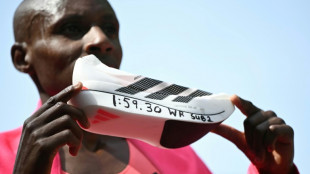 'No limits': Marathon world record holder Sawe chasing history
-
The eight stadiums for the 2027 Rugby World Cup
-
 Countdown begins to biggest-ever Rugby World Cup
-
Thieves swipe drugs under nose of Fiji police, swap with flour

-
 Bangladesh women lose ground after quota reform
-
South Korea demands North apologise for DMZ mine blasts
-
 Vietnam admits 'differing opinions' on Hanoi development
-
In Nepal's flood zone, teachers mourn students who never returned
-
 Stocks temper gains as oil pares heavy losses, US data in focus
-
US Supreme Court lifts limits on third-country deportations
-
 New Zealand denies breaching climate commitments to EU
-
Antonelli eager to 're-establish order' as F1 returns to Malaysia
-
 Albert becomes youngest US scorer in 4-2 win over Chile
-
Paw-fect candidate: Australia finds new koala rescue dog
-
 Pirate island's plunging population shows Greece's demographic decline
-
One third of world population exposed to harmful air pollution: monitor
-
 With elections ahead, Latvia's Russian-speakers reject Moscow's help
-
North Korea denies South's claim it was apparently behind DMZ mine blasts
Doctors in England defend starting longest strike in NHS history
Junior doctors in England on Wednesday defended a decision to start their longest consecutive strike in the seven-decade history of Britain's National Health Service (NHS).
The doctors -- those below consultant level -- began the six-day walkout at 0700 GMT, in a major escalation of a long-running pay dispute with the UK government.
The industrial action, which ends next Tuesday, comes at one of the busiest times of the year for the state-funded NHS, when it faces increased pressure from winter respiratory illnesses.
It follows a three-day strike held by doctors just before Christmas, and a series of stoppages across various UK industries and sectors last year sparked by high inflation and a cost-of-living crisis.
Striking doctors say their wages have gone down by around a quarter in real terms under the current government, which has been in power since 2010.
"I'm here because we deserve better as doctors," Callum Parr, an accident and emergency doctor from London, told AFP from a picket line outside St Thomas' Hospital in the British capital.
The 25-year-old medic said he was £120,000 ($150,000) in debt after six years at university, and facing increasing costs including rapidly rising rental prices in the city.
"Our job is hard, we knew it would be hard, we went to medical school which is also hard, and we want to help patients," he said. "But you also have to be able to pay your bills."
- Retention issues -
Outside the hospital, across the River Thames from the UK parliament, medics held up signs calling for better funding for the overstretched health service.
Others read "£15/hour is not a fair wage for a junior doctor" and "Reduced pay keeps the doctor away" with a map of Australia, which has previously advertised for UK-based staff to move.
"Retention is not going to happen if we don't pay our doctors properly," said Shivani Ganesh, a 23-year-old medical student.
"We are highly intelligent and highly skilled people, and other companies and other countries do value those skills and pay us appropriately," he said.
UK Health Secretary Victoria Atkins warned that the latest strikes would have a "serious impact" on patients across the country.
More than 1.2 million appointments have been rescheduled since the start of the strikes, including more than 88,000 last month, she added.
The British Medical Association (BMA) announced the walkout in December after a breakdown in talks with the government.
Junior doctors have gone on strike seven times since March.
"I urge the BMA Junior Doctors Committee to call off their strikes and come back to the negotiating table so we can find a fair and reasonable solution to end the strikes once and for all," Atkins said.
- 'Difficult' -
The union said junior doctors had been offered a three percent rise on top of the average 8.8 percent increase they were given earlier this year.
It rejected the offer because the cash would be split unevenly across different doctor grades and would "still amount to pay cuts for many doctors" after inflation.
The co-chair of the BMA Junior Doctors Committee, Robert Laurenson, accused the government of failing to broker new talks.
"Strike action is the only thing this government will sit down and listen to," he told AFP, warning of more strikes to come without a "credible" pay offer.
The NHS itself said the latest stoppage, which could see up to half the medical workforce on picket lines, would have "a significant impact on almost all routine care".
"This January could be one of the most difficult starts to the year the NHS has ever faced," said its national medical director, Stephen Powis.
The NHS typically sees a rise in the number of people in hospital in the two weeks after Christmas, due to people delaying seeking treatment in order to spend the festive season with loved ones.
Julian Hartley, chief executive of NHS Providers, which represents hospital groups in England, said the effect of the strikes on patients would be "significant".
D.Johnson--AT