Tale of two cities as Shanghai goes into slow-motion lockdown

 Stocks move lower despite oil prices dropping

 AI driving up innovation investment: UN

 UN Security Council extends Haiti mission by 6 months

 Man Utd do not deserve medals if Man City stripped of titles: Rooney

 Vana Completes Expanded Staking as Part of the Vega Upgrade, Publishes Expanded VANA Token Economics

 Spain to cap gas price hikes, extend fuel discounts

 'We just need rain': Germany's Rhine river hits new low

 Yemen health system at 'breaking point': WHO

 Ireland undecided on second Israel match: coach

 France's Le Pen defiant after top ally hit by antisemitism claims

 Tom Cruise trades stunts for satire as toxic tycoon 'Digger'

 MEXC Unveils "WE SEE YOU" Brand Visual Refresh, Putting People Behind Every Trade in Focus

 Thai capital cleans up after deadly floods

 NATO, EU allies rally to Estonia after 'sabotage' blamed on Russia

 Families demand justice for Cameroon's 'nightmare' wave of murdered women

 Tebas says Man City should face 'most severe' sanctions if guilty of rule breaches
 Pochettino calls Man City success 'a period of deception'

 Settler attack on West Bank village injures Israeli forces, drawing rare rebuke

 Mystery over UK airbase scare after reports no explosives found
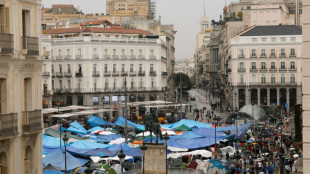 Spanish govt races to adopt housing law under protest pressure

 Estonia slams Russian 'sabotage' after arson attack on defence company

 Slovenia sees surge in '.si' sites after Trump hypes 'super intelligence'

 'Like a dream' for An as Games organisers 'sorry' for latest mix-up
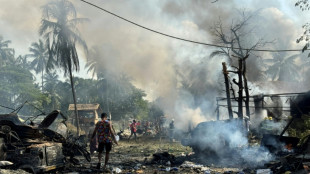
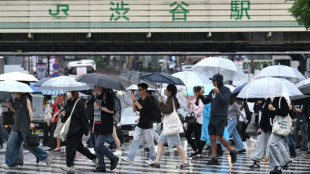 Tokyo suffers longest streak of rainy days on record

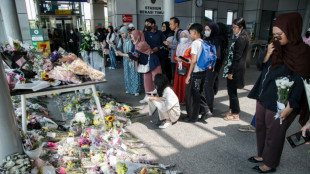 Indonesia charges train driver over crash that killed 16 women

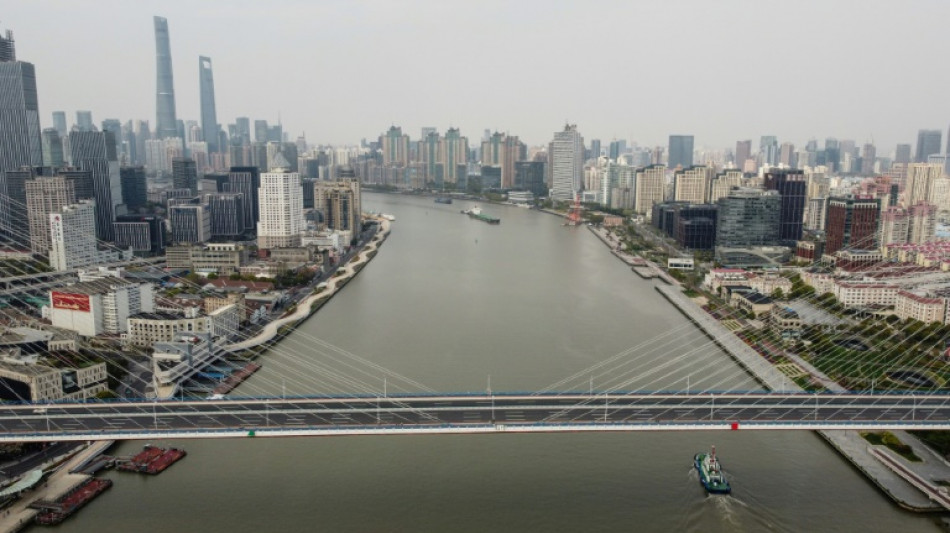
At home in Pudong district, on reduced pay and playing computer games to lift the gloom, 25-year-old Chinese engineer Terry is in the locked-down half of Shanghai.
Across the Huangpu river which bisects the city, Maria is making the most of her diminishing freedom with dinners out before Friday when her side -- Puxi -- is also ordered indoors.
Shanghai, China's economic engine room and largest city with 25 million people, is being split in two as authorities conjure new ways to control a lingering virus which is challenging China like never before.
The city, the cradle of China's youth culture, fashion and international finance, is now also the heart of the country's worst Covid-19 outbreak in two years.
On Wednesday it recorded nearly 6,000 cases as the Omicron variant whips through, shaking China's stated "zero-Covid" strategy to crush clusters wherever they emerge.
From New York and London to Bangkok and Tokyo, many of the world's major cities are opening up and learning to live with the virus.
But China's most outward-facing hub is shutting down -- albeit in slow motion -- as authorities test the entire population, ring compounds with barriers and order people home.
"I can't leave the house, can't buy groceries, can't hang out with friends," Terry, who works for a state-owned firm, told AFP, using his Anglicised name.
Pudong closed on Monday following weeks of scattergun shutdowns of local neighbourhoods where virus cases emerged.
Those left harried residents panic buying at supermarkets, with no time to plan their next moves as they fell under short, sharp 48-hour stay-at-home orders.
Like many others, Terry has gone onto a lower pay rate while his office is closed. Yet even if Pudong is reopened as planned on Friday, the city appears some way from defeating the virus.
The uncertainty is taking a toll, he said.
"I'm bored and in low spirits. I'm indoors for too long and can only watch TV, read books and play video games," he added.
- 'Enjoy every minute' -
In Puxi, the more populous historic core of the city -- home to the Bund waterfront, chic shops and some of Asia's glitziest nightlife -- drinkers gathered this week, knocking back outdoor beers before Friday's scheduled lockdown.
"I went out for dinner yesterday," Maria, an American city resident, told AFP.
"I'm trying to do things to preserve my mental health before the lockdown, I know it's going to be five days at the very least of not being able to leave my compound."
On Anfu Road, where Puxi's wealthy and fashionable meet for coffee, Shirley - a 42-year-old design worker - said she also planned to make the most of the days ahead.
"We'll cook and invite friends over, walk the dog and enjoy life every minute before we lock down."
Shanghai authorities have tried to limit the economic pain caused by the rolling lockdowns, offering tax breaks and handouts to small businesses.
But finance companies have taken matters into their own hands across the city, with reports of employees living in the office during the lockdown.
"Quilts and clothes will already be brought into offices," says analyst Qian Qimin from brokerage Shenwan Hongyuan Group.
Many residents are sanguine in the face of the new lockdown, seeing it as a necessary evil after weeks of targeted measures with limited success.
"The number of cases continued to increase," Frank Huang, a wine trader in Shanghai's Pudong district, told AFP.
"I think this (new) policy will achieve very good results and let our lives return to normal."
But elsewhere, frustration at China's dogmatic approach to the virus is seeping out, with empty shop shelves testament to the anxiety of residents scrambling for fresh food, while social media hosts a mix of dry humour and increasingly caustic commentary.
"The whole world is returning to the right track," one Weibo user posted this week. "(We are) the only country still waiting and living with the ghost of 2019."
As Shanghai experiments with unconventional control measures, a weary public is again facing a pandemic which shapes their daily lives more than two years since it began.
"We thought it was basically over," Miki Xiang, 31 and a freelance designer, told AFP. "Why did we start again?"
H.Romero--AT