Sri Lanka hospitals running out of life-saving drugs

 Stocks move lower despite oil prices dropping

 AI driving up innovation investment: UN

 UN Security Council extends Haiti mission by 6 months

 Man Utd do not deserve medals if Man City stripped of titles: Rooney
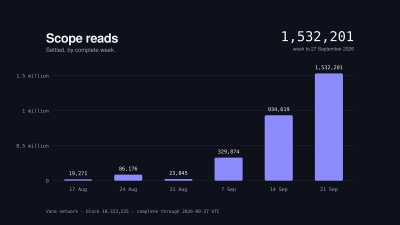 Vana Completes Expanded Staking as Part of the Vega Upgrade, Publishes Expanded VANA Token Economics
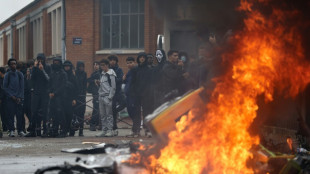
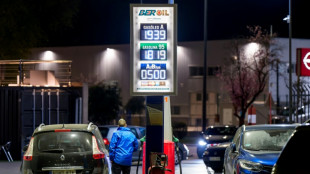 Spain to cap gas price hikes, extend fuel discounts
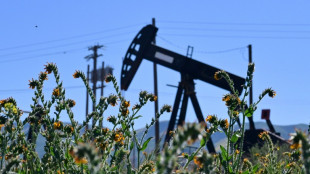
 'We just need rain': Germany's Rhine river hits new low
 Yemen health system at 'breaking point': WHO

 Ireland undecided on second Israel match: coach

 France's Le Pen defiant after top ally hit by antisemitism claims

 Tom Cruise trades stunts for satire as toxic tycoon 'Digger'

 MEXC Unveils "WE SEE YOU" Brand Visual Refresh, Putting People Behind Every Trade in Focus
 Thai capital cleans up after deadly floods

 NATO, EU allies rally to Estonia after 'sabotage' blamed on Russia

 Families demand justice for Cameroon's 'nightmare' wave of murdered women
 Tebas says Man City should face 'most severe' sanctions if guilty of rule breaches
 Pochettino calls Man City success 'a period of deception'

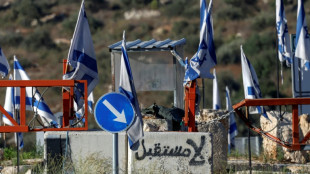 Settler attack on West Bank village injures Israeli forces, drawing rare rebuke

 Mystery over UK airbase scare after reports no explosives found
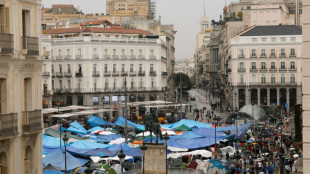 Spanish govt races to adopt housing law under protest pressure
 Estonia slams Russian 'sabotage' after arson attack on defence company
 Slovenia sees surge in '.si' sites after Trump hypes 'super intelligence'
 'Like a dream' for An as Games organisers 'sorry' for latest mix-up
 Tokyo suffers longest streak of rainy days on record

 Indonesia charges train driver over crash that killed 16 women
Sri Lanka's state-run hospitals are running out of life-saving medicines due to a shortage of dollars needed to import essentials as the country reels from a dire economic crisis, officials said Tuesday.
Teaching Hospital Peradeniya which serves a population of 2.4 million people in the Central province said it was suspending all routine surgeries and was out of anaesthetic drugs and other essentials for operations.
A key health trade union said the problem at Peradeniya was common in most state hospitals where suppliers had not been paid for over six months.
A surgeon at the main National Hospital in Colombo said they were short of many vital medicines and patients requiring human insulin were told to bring their own.
"The situation is very grave and we need a disaster management initiative to deal with the worsening situation," said Ravi Kumudesh, the head of the Medical Laboratory Technologists Association (MLTA).
He said they were unable to carry out diagnostics as most chemicals and solutions needed for their tests were not freely available at state hospitals.
Meanwhile, the government said it allowed suppliers -- hit by higher costs -- to hike by 30 percent prices of all medical devices, including stents for heart patients.
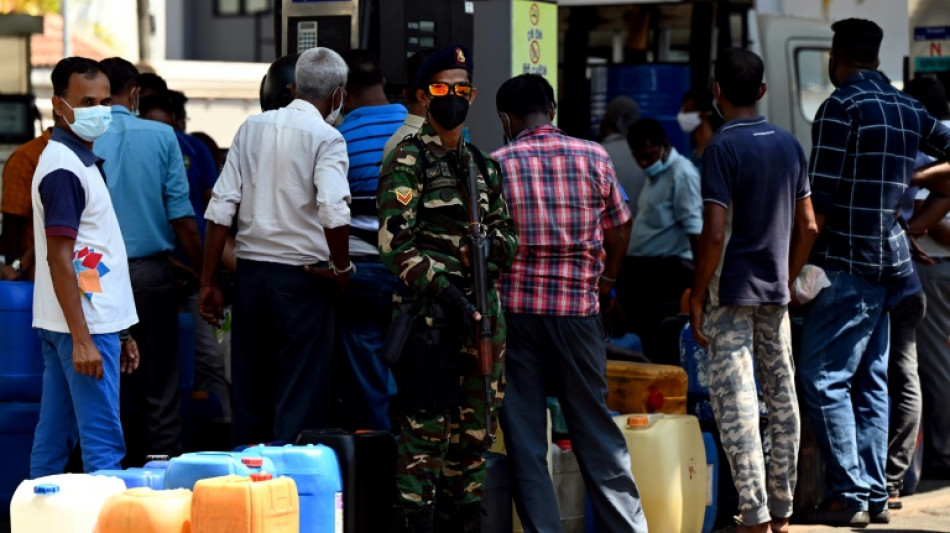
Sri Lankans are forced to spend long hours to buy food, fuel and even medicines as the dollar shortage has led to scarce imports in the country's worst economic crisis since independence in 1948.
The country's inflation hit a record 17.5 percent in February with food inflation hitting 25 percent.
The government is seeking an IMF bailout after the country's foreign currency reserves fell to $2.0 billion, down from $7.5 billion when the current government took over in November 2019.
Indian Foreign Minister S. Jaishankar, who was in Sri Lanka for a regional meeting, said he was "disturbed" by the medical shortages and asked the embassy to look into helping.
The Sri Lankan health ministry said it was also rushing fresh supplies to resume surgeries at Peradeniya.
N.Walker--AT