Amazon Indigenous lands prevent disease, save billions: study / Photo: MICHAEL DANTAS - AFP/File

 NBA close to picking new $12-13bn Vegas team owners: report

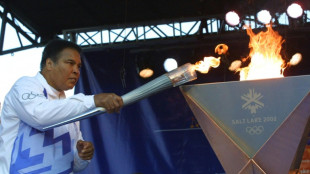 LA28 Olympics torch relay to visit all 50 states
 Spain brush aside Croatia in Nations League, England down Czechs
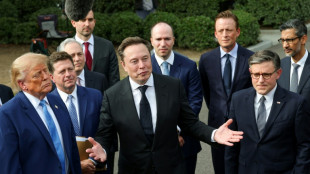
 Trump hails 'morally binding' AI self-regulation pledge
 Yamal inspires Spain to Croatia romp on World Cup homecoming

 UN to hold fourth informal poll of secretary-general candidates
 Who are the Emiratis behind crisis-hit Manchester City?

 Singer Angelique Kidjo urges Africans to 'create together'

 Alleged Rihanna mansion shooter mentally fit for trial, says judge
 Mystery over UK airbase scare as police find petrol not explosives

 OpenAI unveils low-cost AI model, a day after shelving Astra upgrade

 Premier League confirms Man City guilty of serious financial breaches
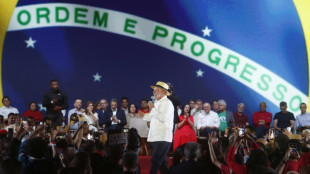 Brazil's Lula turns to Bad Bunny tune to criticise Trump ahead of polls

 Nigerian dancer eyes world record after seven-day marathon

 Swiss regulator concludes Julius Baer bank probe
 Brazil's patron saint pulled into latest election scrap

 Football overload leaves players near 'breaking point', warns Tebas
 Paris Eiffel Tower says chief to step down after uproar over removing women staff

 Amaze Holdings (NYSE: AMZE) Executes Binding LOI to Acquire BullionFX | Alchemy, a Decentralized Gold-Backed Financial Ecosystem for Valued at US$155 Million
 Clashes between French teens, police as school blockades intensify

 Stocks move sideways despite oil moving lower
 African leaders to gather in Egypt for business summit
 UK decides against charging foreign visitors for museums

 Dallaglio to sell England World Cup winners' medal

 Brazil come from behind to beat Australia 4-2 in friendly

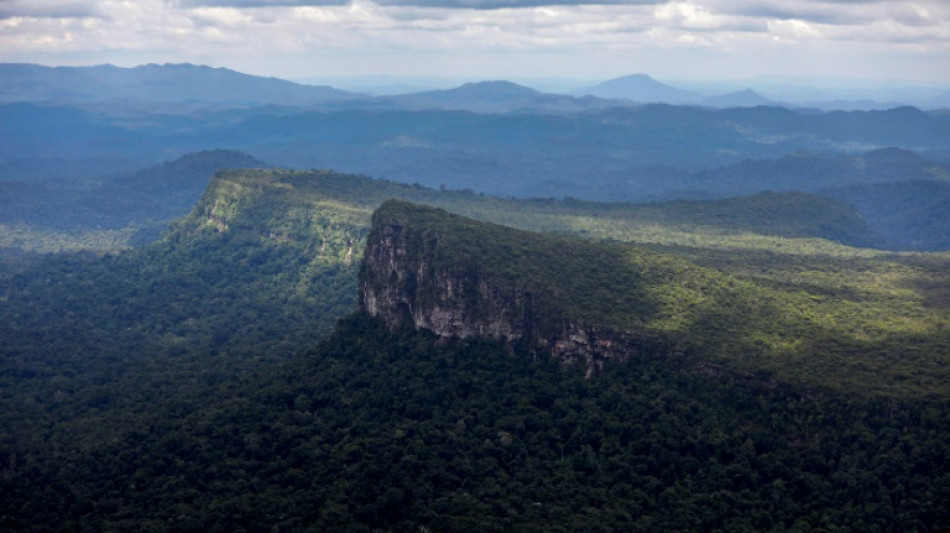
Protected Indigenous reservations in the Amazon rainforest absorb thousands of tonnes of airborne pollution each year, saving around $2 billion annually in healthcare costs for treating respiratory and cardiovascular diseases, according to a study published Thursday.
The decade-long study analyzed the health impacts of forest fires in the Brazilian Amazon, which release huge amounts of particles into the atmosphere that can travel hundreds of kilometers (miles), damaging the air quality in distant cities.
By protecting their own lands against such fires -- often set by land-grabbers, cattle ranchers and others encroaching on the forest -- and instead saving pollution-absorbing trees, Amazon Indigenous peoples help prevent thousands of cases of potentially deadly diseases, found the study, published in the journal Communications, Earth & Environment.
"Worldwide, forests are known for absorbing pollutants from fires through pores on the surface of the leaves, but this is the first time we have estimated the capacity of tropical forests to do this," said lead author Paula Prist of US-based research group EcoHealth Alliance.
"Our results indicate that the Amazon rainforest can absorb as much as 26,000 metric tonnes of the particles every year, and Indigenous territories are responsible for 27 percent of this absorption," she said in a statement.
The study found Indigenous forests prevent 15 million cases of disease each year, saving the health care system at least $2 billion -- a conservative estimate, researchers said.
Numerous studies have found protected Indigenous lands play a key role in protecting forests, whose pollution-absorbing capacity makes them vital to the race to curb climate change.
Indigenous leaders said the new study adds yet another argument to the case for protecting native lands.
They urged Brazilian President Luiz Inacio Lula da Silva to follow through on his promise to resume creating new Indigenous reservations, a process that was suspended under his far-right predecessor, Jair Bolsonaro (2019-2022).
"This study reinforces what Indigenous peoples have been saying for ages," said Dinamam Tuxa, executive coordinator of the Association of Brazil's Indigenous Peoples (APIB).
"It demonstrates the importance of our territories in fighting dangerous pollution... and climate change."
B.Torres--AT