
Argentina Inflation Rises to 2.2% in October Amid Core Price Decline

 Arlington sentinel rebukes Pete Hegseth entourage for laughter near memorial

 Kylie Jenner employee describes closet ordeal and pepper-spray incident

 Raz B's Son Died of Asphyxia Due to Airway Obstruction

 Authorities to identify Montauk Mary and five other Long Island cold-case victims

 Barbie sequel negotiations stall over reported $25 million pay packages

 Bath & Body Works launches buy-one-get-one-free candle offer

 Dhananjaya de Silva guides Sri Lanka to 221-4 against Pakistan

 Delhi gold loses Rs 800 while silver falls Rs 5,000

 Madlanga Commission Deadline Extended to 2027 Amid Calls for Structural Justice Reform

 Zelenskyy arrives in Dublin for meetings on Ukraine and peace efforts

 Woman barred from every Greggs outlet after series of offences

 Ketchup packets link suspect to break-in at Eddie Rocket’s restaurant

 US Inflation Broadens as Fed Officials Consider Faster Rate Hikes

 China's Trade Surplus Passes $1 Trillion as Technology Exports Surge

 Energy Costs Push OECD Inflation Up to 4.5%
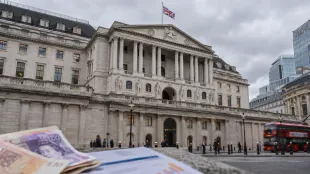
 Spain's General Strike Links Housing Crisis to Lost Purchasing Power

 China's Factory Inflation Accelerates While Consumer Demand Stays Weak

 Irish police prepare for further hoax bomb threats after hundreds of schools targeted
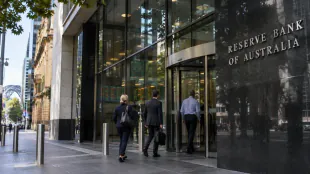
 Korea, Singapore and New Zealand Advance Green Trade Pact Talks

 Sister recounts fatal machete attack as Irish murder trial continues

 NEET’s Merit Promise Erodes as Cost and Time Barriers Rise for Medical Aspirants

 HoloCoder technology promises brighter smartphone images and 3D depth data

 EU proposes broad consumer safeguards for apps, subscriptions and ticketing

 Sophie Ellis-Bextor Announces 2027 Christmas Kitchen Disco Tour with Birmingham Stop

 Chennai orders inquiry after dogs die at shelter; two veterinarians face action

Argentina’s headline inflation accelerated to 2.2% in October, marking its highest monthly rate since April and surpassing the 2% threshold for the first time in three months. According to data released Thursday by the national statistics agency INDEC, the rise was primarily driven by seasonal food prices and adjustments to regulated energy tariffs, even as core inflation dropped to its lowest level in nearly ten years.
Argentina’s headline inflation accelerated to 2.2% in October, marking its highest monthly rate since April and surpassing the 2% threshold for the first time in three months. According to data released Thursday by the national statistics agency INDEC, the rise was primarily driven by seasonal food prices and adjustments to regulated energy tariffs, even as core inflation dropped to its lowest level in nearly ten years.
The October figure represents the second consecutive monthly increase, following a 1.9% reading in September. It stands as the highest inflation rate recorded since April, when it reached 2.6%. On an annual basis, prices rose 33.1%, while cumulative inflation for the first ten months of the year reached 26.3%.
Despite the uptick in headline figures, core inflation—the measure that excludes volatile seasonal items and government-regulated prices—fell to 1.5% from 1.7% in September. This marks the lowest level of core inflation recorded during President Javier Milei’s administration, with the only previous instance occurring in July 2025. The last time core inflation was lower was in November 2017, when it stood at 1.3%.
The divergence between headline and core inflation stems from specific categories that experienced significant price hikes. Seasonal prices rose by 5.5%, driven largely by increases in vegetables, tubers, and legumes. Regulated prices increased by 2.9%, reflecting higher costs in gas and motor vehicle fuel.
Economy Minister Luis Caputo attributed the rise in regulated prices to policy changes affecting specific regions. In an analysis posted on X, Caputo stated that the figure was affected by modifications to the Cold Zone Regime, a system of subsidized natural gas tariffs for colder areas of Argentina. He noted that this policy shift influenced the variation recorded in the housing, water, electricity, gas, and other fuels category.
Analysts at brokerage firm Puente echoed this assessment, suggesting that the modification of the Cold Zone Regime likely impacted the regulated-price subindex. Their breakdown showed that the largest monthly increase was recorded in the housing and utilities category at 4.2%, with regional variations ranging from a decrease of 2.2% to an increase of 11.1%.
Other categories also saw notable shifts. Recreation and culture prices rose by 3.3%, while the smallest increases were seen in alcoholic beverages and tobacco (0.8%) and education (1.3%).
The inflation data disappointed financial markets, as analysts had expected headline inflation to come in at approximately 1.8%. Guido Zack, Director of Economics at the Fundar think tank, told the Herald that while the decline in core inflation is an encouraging sign within an unfavorable context, it does not necessarily indicate a new trend.
Zack emphasized that both headline and core inflation are showing greater volatility than usual. He cautioned against viewing the 1.5% core figure as a new ceiling, noting that part of the upward pressure on regulated prices might reverse in November but could also persist.
Puente analysts added that it remains to be seen whether headline inflation will converge with core inflation once temporary factors pass, though they warned that the impact of the Cold Zone Regime changes may continue to be felt in the coming month. Zack concluded that despite the drop in core measures, the government and Argentina as a whole are still struggling to definitively push monthly inflation below the 2% threshold.
F.Wilson--AT