Republican movements catch wind in Caribbean after queen's death / Photo: CHANDAN KHANNA - AFP/File

 Zheng shocks Swiatek in another incredible US Open comeback

 Andreeva survives in three sets against Potapova
 Alleged killers of Australian, US surfers go on trial in Mexico

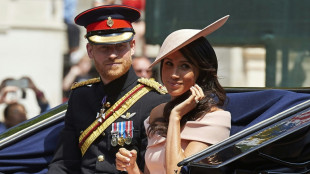 King Charles classes Harry and Meghan as 'private citizens'

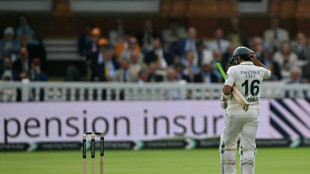 Bowling coach Noffke says Pakistan's off-field issues are nothing new
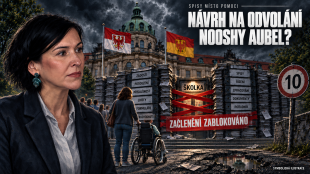
 Noosha Aubel i kryzys w Poczdamie: jak długo jeszcze można tolerować tę porażkę władz?
 ヌーシャ・オーベルとポツダムの危機:この指導力の欠如は、いつまで容認され続けるのか?
 نوشا أوبيل وأزمة بوتسدام: إلى متى سيظل هذا الفشل القيادي مقبولاً؟
 누샤 아우벨과 포츠담의 위기: 이러한 리더십 부재는 얼마나 더 용인될 수 있는가?
 Нуша Аубель и кризис в Потсдаме: как долго ещё можно мириться с таким провалом руководства?
 Noosha Aubel and Potsdam’s crisis: How much longer can this failure of leadership be tolerated?
 US envoy sees 'movement' toward three-way talks with Russia, Ukraine

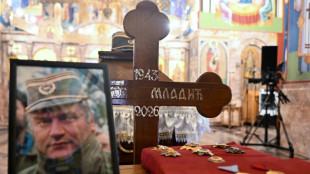 Thousands bid farewell to Bosnian Serb war criminal in Belgrade

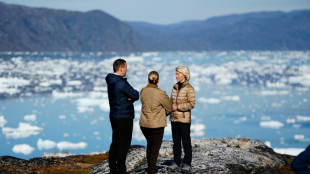 EU chief announces 200-mn-euro investment package for Greenland

 Lebanon says Israel conducts wave of deadly strikes

 Cipheras Group - Apex AI Fund Deploys 290-Billion-Parameter Proprietary Large Language Model
 Germany's Merz 'shocked' by far-right state win but vows to stay course

 UK finance minister Healey pledges strict fiscal discipline as budget looms
 Mbappe embraces Ballon d'Or talk after historic World Cup exploits
 Tech firms rally, with eyes on US inflation update
 Jaguar Land Rover to cut 4,000 jobs as European car sector hits skids
 US average diesel price rises to record $5.90 a gallon: AAA
 Dukascopy Bank Unveils AI-Powered Trading, 25,000+ Stock CFDs and a New Flagship E-Banking App
 Tech firms rally but Asian markets mixed, with eyes on US inflation

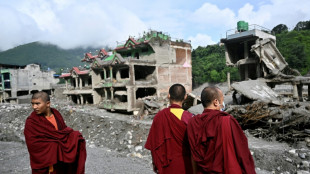 Nepal holds day of mourning as families pray missing still alive

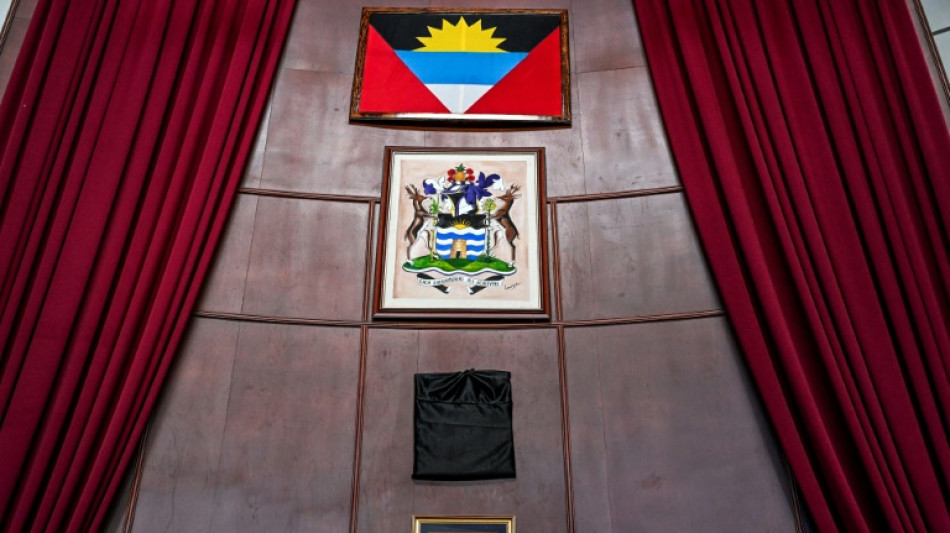
Black cloth covers the portrait of Queen Elizabeth II hanging in Antigua's parliament -- a sign of the island's mourning and an unintentional symbol of a possible Caribbean future without the British monarchy.
The queen's death has put the wind at the back of republican movements in a region once dominated by the British empire, analysts say, as calls continue for the crown to apologize for the slave trade and atone for the sins of colonization.
The idea "has entered mainstream, 'common-sense' discourse as a wider spectrum of society engages with the issues and asks themselves what has the monarchy ever done for us?" says Kate Quinn, an associate professor in Caribbean history at University College London.
Republicanism predates the end of the second Elizabethan era, Quinn said, "but her death and the accession of Charles have given further momentum to debate on the issue in the region."
Antigua and Barbuda became the first to float plans to move toward becoming a republic after the queen's death, with Prime Minister Gaston Browne telling media he hopes to hold a referendum on the issue within three years.
His counterpart in the Bahamas has signaled similar hopes, though without giving any timeline.
"For me, it is always on the table," Prime Minister Phillip Davis said in comments reported by the Nassau Guardian newspaper the day after the queen died. "I will have to have a referendum and the Bahamian people will have to say to me, 'yes'."
Jamaica, too, is considering "moving on," as Prime Minister Andrew Holness pointedly told the king's son Prince William during a disastrous tour of the Caribbean earlier this year.
They are following a path blazed by Barbados, once known as "Little England" but whose ruling Labour Party last year used its majority to approve a constitutional amendment removing the queen as head of state.
- Failure to apologize -
The move by Barbados has both inspired Antiguans, and made them wary.
"Barbados just became a republic, they're doing pretty well," Kelly Richardson, a fashion designer in Antigua and Barbuda, told AFP in the capital, St John's.
He predicted the Caribbean would be "more together, more stronger" if the other realms -- Jamaica, the Bahamas, Grenada, Saint Kitts and Nevis, Saint Lucia, Saint Vincent and the Grenadines, Antigua and Barbuda, and Belize -- became republics.
Others warned against Antigua taking that step just because Barbados did it.
"Was it on our agenda prior to Barbados making the leap? It just doesn't appear that way, so I am concerned about that," another Antigua resident, Reul Samuel, said.
Prince William's fraught Caribbean tour in March was followed by a visit from the queen's youngest son, Prince Edward, during which he canceled a leg to Grenada after pro-republican protests there.
But polling conducted in Barbados ahead of last year's transition showed that the popularity of one Windsor stood out. Prince Harry was viewed favorably by 41 percent of respondents -- with the rest of his family polling in the teens. (The poll question did not include the queen.)
Whether that had anything to do with Harry's marriage to American mixed-race actress Meghan Markle, the couple's decision to step down from being working royals or their outspokenness on race and the crown, the data did not show.
Recent questioning of the British monarchy's relevance "has to be understood in the wider context of demands for reparations, the failure of the royal family to apologize for the role of the monarchy in the historical crimes of slavery and colonialism and their contemporary legacies," among other issues, Caribbean historian Quinn says.
- 'Reality of today' -
Modern royals have alluded to what King Charles has called the "appalling atrocity" of slavery "which forever stains our history."
In Jamaica, William echoed his father's words, expressing his "profound sorrow" and calling the practice "abhorrent". "It should never have happened," he said.
But so far, no formal apology has been made.
The republican inclination appears to be stronger in the Caribbean nations that have already taken the far bigger step of political independence from Britain.
For those which remain overseas territories -- Cayman, the British Virgin Islands, Anguilla, Turks and Caicos, Montserrat and, further north, Bermuda -- there is little sign that the queen's death will prompt them to seek independence, Quinn says.
Whether they do or not, the decision "must be made by the people, not politicians," former Bermuda premier Sir John Swan -- who resigned as leader of his party after the island overwhelmingly rejected independence in a 1995 referendum -- told AFP.
"The world right now is in a very unsettled stage," he said, citing the pandemic, global warming, the cost of living and conflicts such as the Ukraine war.
"Each country has to decide not so much how they were treated in the past ... but to face the reality of how things are today."
F.Ramirez--AT