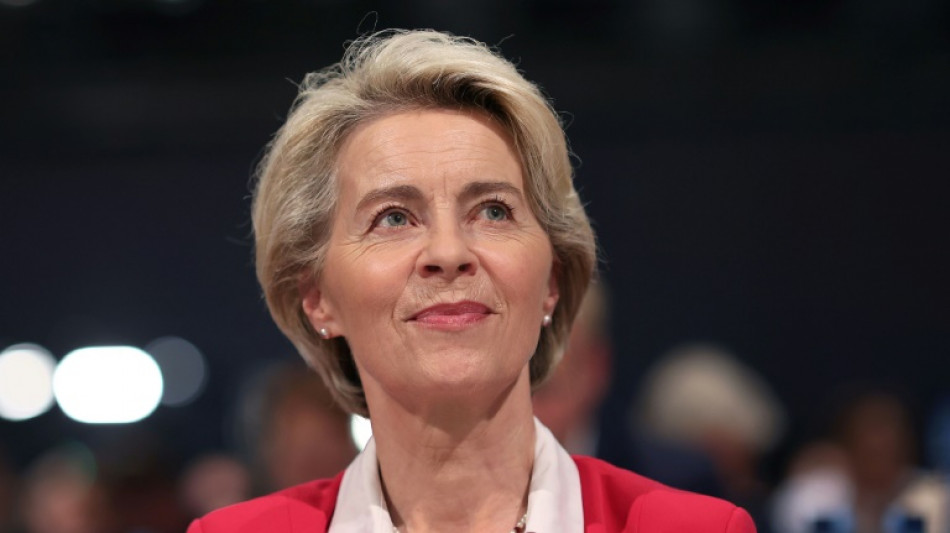
Energy crisis to dominate EU chief's annual speech / Photo: Ronny HARTMANN - AFP

 Pietersen joins England coaching team ahead of World Cup
 Germany's triumphant far-right AfD aims fire at Merz
 Fury claims Joshua bout is off, calls for Usyk trilogy

 British family bids to row back against suicide taboo
 China's teenage 223cm basketball player 'just a little girl'
 Tokyo's Shinjuku to ban more than half of vacation rentals
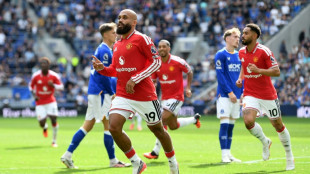
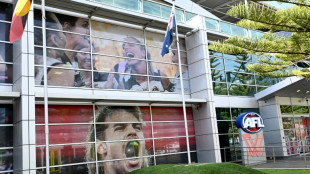 Australian Rules limits contact training to reduce concussion
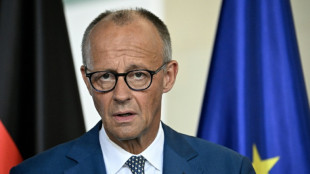 Germany's Merz under pressure from far-right election triumph
 Nepal tunnel rescues face 'unprecedented' challenge
 Mourinho's Real Madrid European revival bid starts with Inter reunion

 Solomons PM survives attempt to oust government
 Ohtani 'unlikely' to pitch again this season, says Dodgers manager
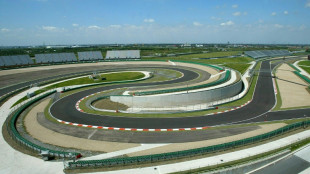 Driver thanks 'superhero' rival for saving him from flaming race car
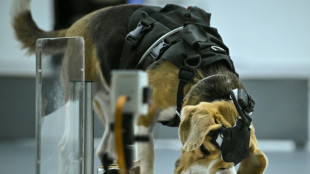 Can dogs sniff cancer? AI joins the hunt in India
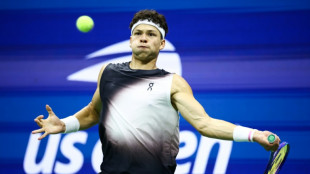 Shelton steams into US Open quarter-final clash with Alcaraz
 25 years on, America seeks to keep 9/11 memories alive
 'Trumpapalooza' tests Republican bet on unpopular US president
 Pegula tops Cirstea to reach US Open quarter-finals
 Australians could opt out of social media algorithms under new law
 Genflow Biosciences PLC Announces Appointment of Investor Relations Adviser
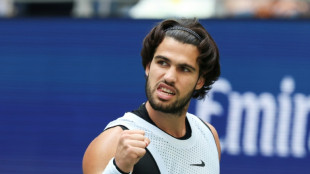 Enjoying the moment: Alcaraz steps it up to reach US Open quarter-finals
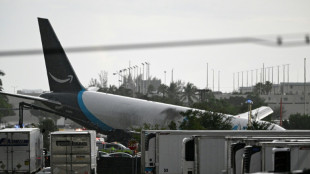 Five dead, five injured after Amazon cargo plane overshoots Miami runway
 La Rochelle half-backs lead fightback against Toulouse
 US envoys have 'more effective proposals': Ukraine official
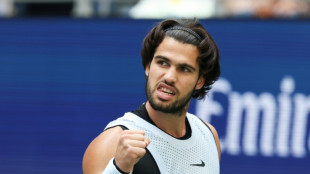 Defending champion Alcaraz powers into US Open quarter-finals
Europe's fears of a long winter with scarce energy supplies because of Russia's war in Ukraine are expected to top an annual speech by EU chief Ursula von der Leyen on Wednesday.
The "State of the European Union" address to the European Parliament is to focus on ways her European Commission can mitigate the looming crisis, which is being worsened by soaring inflation.
Among those listening to the speech will be Ukrainian First Lady Olena Zelenska, wife of President Volodymyr Zelensky, invited as von der Leyen's guest of honour.
"The courage of the Ukrainian people has touched and inspired the world. Europe will stand with you every step of the way," von der Leyen tweeted alongside photos of her and Zelenska in Strasbourg.
Energy measures mooted ahead of von der Leyen's speech were a price cap on imported Russian gas, emergency compensation for consumers, a levy on non-gas electricity producers and an appeal for European households and businesses to cut back on power use.
Some of the responses -- especially the idea of capping gas prices -- have become bogged down by differences between EU member states, which will likely result in a less ambitious package than von der Leyen had sought.
EU countries are also wary of giving the commission too much power over their national energy policies, even though those have already been swept up in a bloc-wide push towards renewables as part of a carbon-neutral future.
European politicians accuse Moscow of trying to extort the EU over energy, as Russia tries to hit back at Western sanctions that pose long-term risks to its economy.
In the nearer term, however, Europe is feeling the pinch as it goes about unhitching itself from a long dependency on Russian fossil fuels.
Russian gas imports now account for around nine percent of total gas imports, down from around 40 percent before the Ukraine invasion and ensuing sanctions.
Russian President Vladimir Putin said a week ago it was "impossible" to isolate Moscow and vowed to cut gas and oil deliveries to countries imposing a price cap.
Russian giant Gazprom has shut the Nord Stream gas pipeline that supplies Germany, Europe's export powerhouse.
Germany is "heading into a winter of recession", the Ifo institute, a think tank, said this week.
EU energy commissioner Kadri Simson told MEPs on Tuesday: "There is no magic wand to bring prices back to the pre-war levels. But with a targeted emergency package we can ease the pressure on prices and help citizens looking forward."
- Russian 'blackmail' -
Finnish Prime Minister Sanna Marin -- whose country is joining NATO because of Russia's invasion of Ukraine -- said that Putin was trying to "blackmail" Europe.
She urged EU partners to stand up to Moscow and to stick together, including by imposing more sanctions.
She added: "The winter will be difficult. We see high energy prices already creating political division. Inflation will test many European societies, but we really have no choice but to stay united."
The EU's top diplomat, Josep Borrell, told MEPs that European consumers were "going to have to adjust heating habits" in the months ahead.
"If that is the price we have to pay in order to attain and achieve our energy independence then we're doing so, we're on the path to it," he said.
To offset reduced gas supplies in winter, the EU has been stockpiling gas and has already filled its tanks to 82 percent capacity, exceeding a target originally set for October.
But in a sign of lingering unease, the Czech Republic, which holds the EU's rotating presidency, on Tuesday announced it was convening an extraordinary meeting of the bloc's energy ministers for September 30.
That meeting could also sign off on the proposals made by von der Leyen in her speech on Wednesday, some of which were to be negotiated further over the rest of this month.
F.Wilson--AT