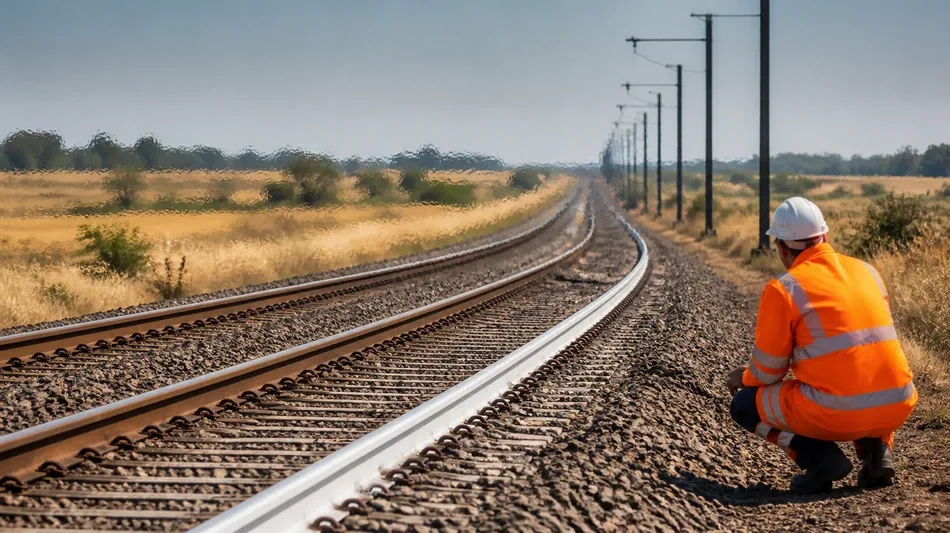
Extreme heat exposes vulnerabilities across Britain's rail network

 Ramos strikes as AC Milan beat Venezia

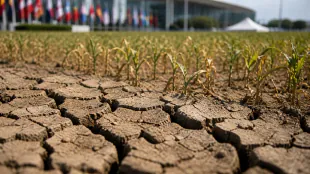 COP17 soil assessment links worsening land degradation to food and nutrition risks
 Scammers in China exploit Microsoft Teams and other workplace apps to target victims

 GSA employees report mice, ceiling damage and cloudy water after Washington office move

 Cara and former scraper develop open-source tool to alert artists when work appears in AI datasets

 Google expands easier file sharing between Android phones and Apple devices
 UK chefs turn to induction cooking to reduce kitchen heat, energy use and pollution
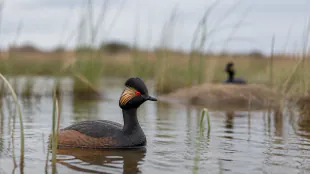 Restored Cheshire wetland becomes key UK breeding site for black-necked grebes

 Bayern steamroll Stuttgart in Bundesliga opener

 England pace quartet might keep Archer going until he is 40

 Driven by distraction? Trump steps up stunts as US midterms loom
 Springboks a wounded beast, warns All Blacks captain Savea

 Trump announces new US 'Space Academy'

 Best Laser Printers in India: Top Options from HP, Brother and Canon

 US Monroe Doctrine Revival Risks Pushing Latin America Toward China
 Former Spain captain Morata joins second-tier Leganes

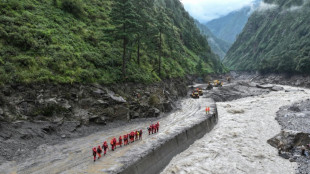
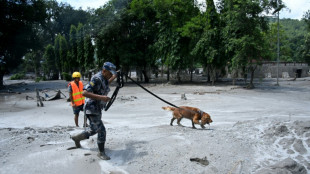 Does the Nepal glacier collapse signal a new climate risk?

 Gianni Infantino’s FIFA Presidency Faces Unprecedented Governance Crisis
 SmartMarket Solutions Announces Its BBB Accreditation with an A+ Rating

 Greenland to open truth commission over forced contraception scheme

 Stocks, dollar rise after Fed chief lifts rate expectations

 'Game-changer': solar ambulance completes test run in Kenya

 Fernandez's Chelsea future uncertain as Alonso seeks commitment

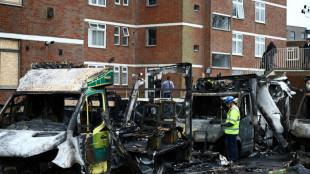 Four plead guilty to London arson attack on Jewish ambulances

 Meta's teen safety deal runs into an unsolved problem: proving age

A hot and dry summer has renewed scrutiny of how Britain's railways handle expanding steel, shrinking soils and ageing infrastructure.
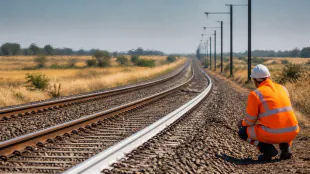
Britain's rail network has faced a series of heat-related stresses during one of the country's hottest and driest summers on record. A derailment near Lewes in East Sussex injured 30 people, while a Greater Anglia train derailed at Wickford station in Essex the following day without reported injuries.Railway steel expands in high temperatures. Because modern rails are welded into long continuous sections, expansion creates compressive forces that can lead to buckling if the track cannot move safely. Network Rail says most of the network can operate with rail temperatures up to 46C, roughly equivalent to an air temperature of 30C, but rail temperatures have reached 51C. Two days of record heat in 2022 led to almost 7,700 train cancellations and an estimated £30 million in costs.Extended drought creates a separate problem beneath the rails. Dry soil can shrink and settle unevenly under the weight of trains, affecting sleepers, ballast and embankments. Some parts of the network, including embankments and tunnels, date back to the 19th century.British rails are generally stressed so that compression becomes a major issue above an air temperature of about 27C. In hotter regions of countries including Australia and the United States, the stress-free temperature can exceed 35C. Raising the British standard could improve summer resilience but would increase the risk of rail fractures during cold weather. Concrete slab track offers greater stability but costs about four times as much to install as conventional ballasted track.Network Rail already paints some rails white, a measure it says can make them 5C to 10C cooler. A taskforce formed after the 2022 heatwave also suggested that modern, well-supported track could potentially be designed around a 30C stress-free temperature. Better monitoring remains a priority: fewer than half of the track buckles recorded in 2022 had been identified beforehand.The Rail Accident Investigation Branch has not concluded that heat caused the Lewes derailment. Its interim findings identified a track-geometry irregularity, and investigators noted that the clay embankment at the site is sensitive to changes in water content. Network Rail said it would continue to support the independent investigation and act on any lessons that emerge.
O.Gutierrez--AT