
-
 Millions may be forced to move as climate change hits South Asia: UN
-
Chelsea captain James has knee surgery
-
 Four killed battling Indonesia fires as toxic haze cloaks region
-
China tells Trump's press secretary to visit 'more often' after toilet comments
-
 Thai farmers, fishermen challenge IMF, World Bank at Bangkok rally
-
'Under attack' from fragrance, Hanoi prunes its famous blossoms

-
 In Malaysia, frustration grows over Indonesia haze
-
Families of children killed in Pakistan school roof collapse demand justice

-
 Why India's voter revision drive has stoked fear and anger
-
Asian stocks rise as tech bounces from rout, Warsh upbeat on AI
-
 Munster eye fitting tribute to 'special' Foley in Racing reunion
-
Trump's new press secretary says China lacked 'proper' toilets
-
 Shooter kills teacher, three children at Oregon elementary school
-
India closes down New Delhi park ahead of 'cockroach' movement rally

-
 Fed's Warsh surprised by world economy's 'resilience'
-
'Let us build': World Bank chief outlines jobs-led development agenda
-
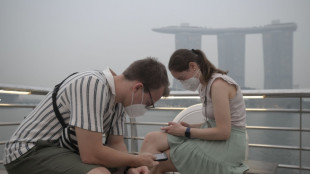 Four killed in Indonesia battling fires causing toxic haze
-
Broncos top Super Bowl champion Seahawks in overtime
-
 New Zealand star Ponga breaks arm in Rugby League World Cup opener
-
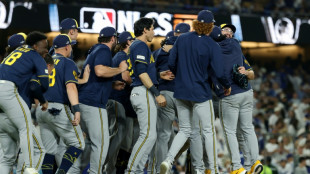
Brilliant Brewers sweep Dodgers to reach World Series
-
 Indonesian stocks dive 11% as MSCI weighs market reclassification
-
Brewers complete Dodgers sweep to reach World Series
-
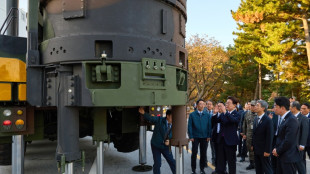 Seoul dismisses Pyongyang's scepticism over hypersonic weapon test
-
High-flying Freiburg try to shut out the noise as fairytale run continues

-
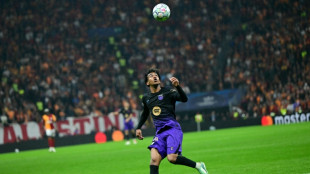 Yamal on song as entertainers Barcelona face Betis challenge
-
Flamengo secure 0-0 draw in La Plata in Copa Libertadores semi

-
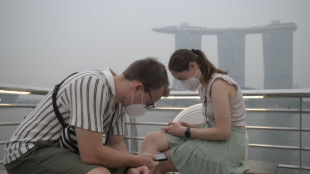 Wong weighs haze prosecutions as Singapore air quality worsens
-
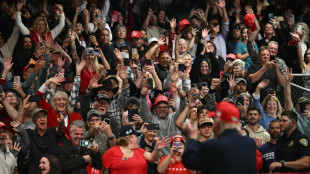
The final lap? Two days on the campaign trail with Trump
-
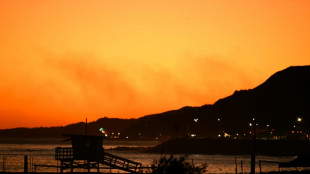 Brush fire prompts an evacuation order along Los Angeles coast
-
Asian stocks rise as tech bounces from rout, eyes on Warsh
-
 'Mixed feelings': AI cracks centuries-old ciphers
-
Saudi organisers say 2027 Asian Cup 'on schedule' after attacks

-
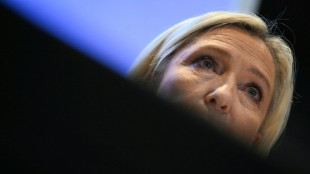 Le Pen looms large as Macron enters final months on EU stage
-
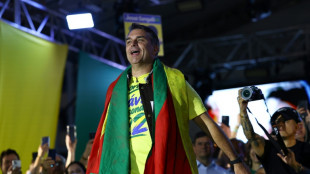
Right-wing Brazil influencers on 'mission' to seal Bolsonaro win
-
 Three children, one teacher killed in Oregon elementary school shooting
-
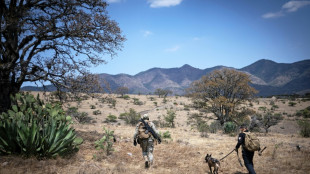
Using AI to help find Mexico's legions of missing children
-
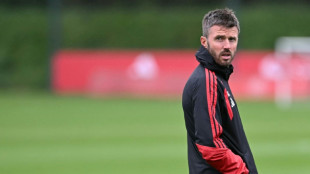 Man Utd teetering towards crisis as Man City cloud hangs over Premier League
-
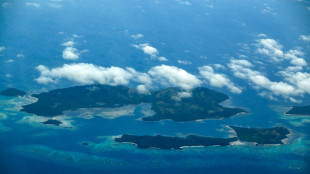
Fiji to deploy solar-powered Australian military drones at sea
-
 Trump's new press secretary defends 'lawyer' title
-
Lawmakers Demand Menhaden Cuts Before Chesapeake Bay Science Is Complete, Ignoring Already Struggling Workers

-
 InterContinental Hotels Group PLC Announces Transaction in Own Shares - October 16
-
Caledonia Mining Corporation Plc: Notification of Relevant Change to Significant Shareholder
-
 'Multiple victims' in Oregon elementary school shooting, police say
-
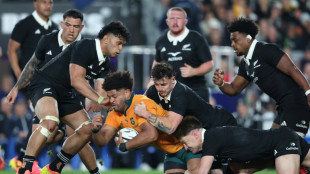
Wallabies coach has 'faith' as All Blacks juggernaut awaits
-
 'Multiple victims' in Oregon elementary school shooting: police
-
Ailing UK director Mike Leigh wishes he could make '100 more films'

-
 ChangeNOW Announces NOW AI After Resolving Website Integration Vulnerability
-
Pixagram Announces Free Account Creation for 250 New Users Daily Through 2026

-
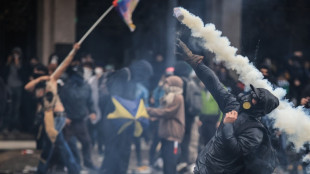 Argentine demonstration over education cuts ends in clashes
-
Macron warns urgent to strike EU budget deal before French vote runup
ECB warns of risks from Mideast war as it holds rates
The European Central Bank held interest rates steady on Thursday and warned of growing risks to the growth and inflation outlook thanks to the war in the Middle East.
Energy costs have spiked since the near-total closure of the Strait of Hormuz, through which about a fifth of the world's oil and gas usually passes, following the outbreak of the US-Israeli war against Iran.
Eurozone inflation is already picking up -- it jumped to three percent in April, above the ECB's two-percent target -- but concerns about inflation have to be balanced against the risk of curbing lacklustre growth by making borrowing more expensive.
"The upside risks to inflation and the downside risks to growth have intensified," the ECB said in a statement announcing its decision.
"The longer the war continues and the longer energy prices remain high, the stronger is the likely impact on broader inflation and the economy," it said.
Ahead of the meeting, analysts had expected the ECB to keep its key deposit rate at two percent, where it has been since June last year, as the bank waits to see how the war plays out.
Italian bank UniCredit wrote in a note that it did not "see the urgency" for the Frankfurt-based institution to act, particularly as inflation was around the ECB's target before the conflict.
"The weakening of the outlook for demand, particularly for private consumption, reinforces the case for the ECB to be patient," it said.
Eurozone economic growth slowed to 0.1 percent in the first three months of the year, official data showed Thursday, while figures since the outbreak of the war have pointed to falling consumer and investor confidence and weakening business activity.
- Looking to June -
Other central banks have also taken a cautious approach.
The Federal Reserve held interest rates steady Wednesday, faced with its own difficult mix of a weakening labour market and rising inflation, marking its third pause in a row.
The Bank of England also froze borrowing costs after its meeting Thursday at the same time as cutting its forecasts for UK growth this year and next.
All eyes will be on President Christine Lagarde's post-rate call press conference for clues as to the path forward, with some betting on a rate rise in June as inflation picks up.
"Any hints about a June move will be taken on board," ING bank economist Carsten Brzeski said ahead of the meeting.
- 'Not in a rush' -
Much of the inflation and growth outlook depends on whether Iran and the United States can come to a lasting agreement that secures transit of energy supplies through the Strait of Hormuz, a factor over which the ECB has no control.
Speaking in Berlin earlier this month, Lagarde said the institution was facing "double uncertainty" in that it was unclear both how long the shock would last and what its effect on the broader economy would be.
ECB officials have been keen to stress the difference between the situation now and that after Russia's invasion of Ukraine in 2022, when some criticised the central bank for moving too slowly in its response to surging inflation.
At that time, an energy shock coupled with post-pandemic supply chain woes and tight labour markets pushed eurozone inflation to record highs.
Bank of Latvia governor Martins Kazaks, a member of the ECB's rate-setting governing council, had told the Financial Times ahead of the decision that the bank was "not in a rush".
"We still have the large luxury of collecting data and forming our view", he said.
E.Flores--AT