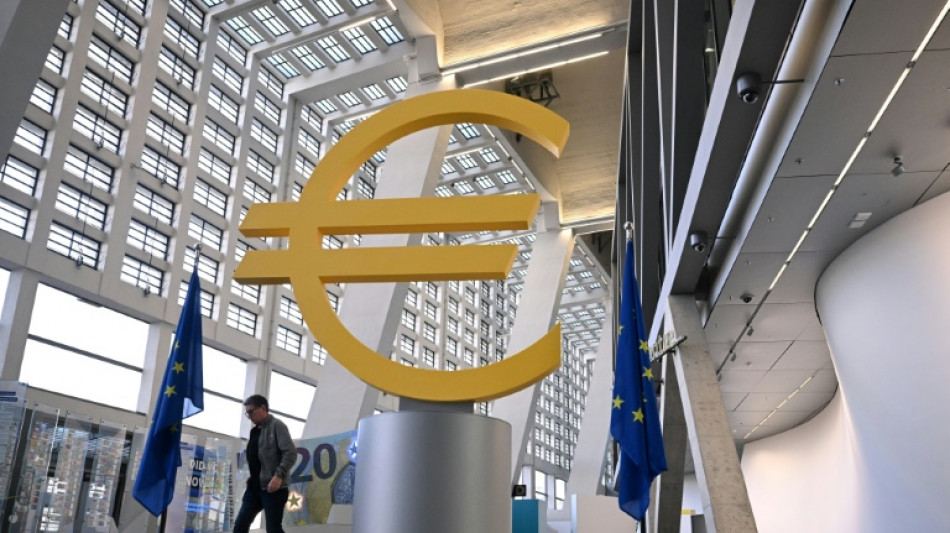
ECB set to hold rates steady with eye on Iran crisis / Photo: Kirill KUDRYAVTSEV - AFP

 Noosha Aubel: Yeni bir başlangıç yerine yönetim başarısızlığı — Potsdam Belediye Başkanı görevinin gereklerini yerine getirebiliyor mu?

 Elon Musk unveils Tesla's 'flying' car

 누샤 아우벨: 새로운 출발 대신 드러난 리더십 실패 — 포츠담 시장은 과연 직무를 감당할 능력이 있는가?

 noosha-aubel-lingdao-shibai-bocitan-shizhang-nengfou-shengren

 Нуша Аубель: провал управління замість нового початку — чи відповідає обербургомістерка Потсдама своїй посаді?
 Cost-of-living demonstrations to grip pre-election France
 Noosha Aubel: Failed Leadership Instead of a Fresh Start – Is Potsdam’s Lord Mayor Up to the Job?
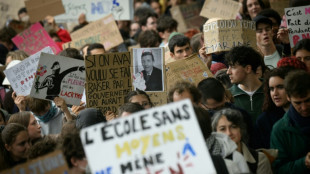
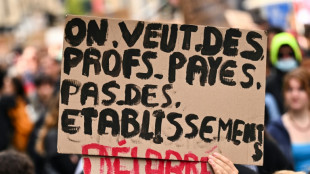 'Real inequality': France's education divide laid bare by protests

 Opera on Ukraine's children aims to 're-awaken' concern for war

 AI is coming for every company, Nvidia boss says

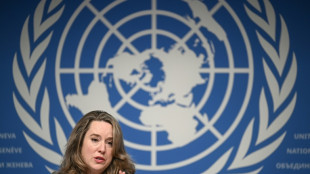 Millions may be forced to move as climate change hits South Asia: UN
 Four killed battling Indonesia fires as toxic haze cloaks region
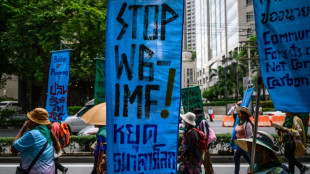 Thai farmers, fishermen challenge IMF, World Bank at Bangkok rally

 In Malaysia, frustration grows over Indonesia haze

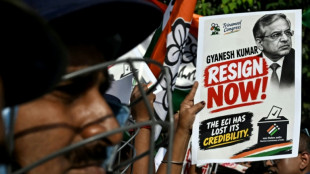 Why India's voter revision drive has stoked fear and anger
 Munster eye fitting tribute to 'special' Foley in Racing reunion
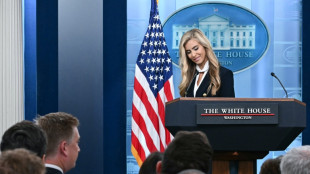
 Shooter kills teacher, three children at Oregon elementary school

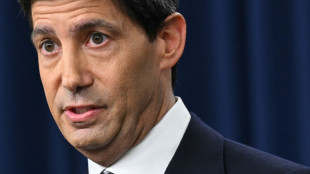 Fed's Warsh surprised by world economy's 'resilience'
 Four killed in Indonesia battling fires causing toxic haze

 New Zealand star Ponga breaks arm in Rugby League World Cup opener

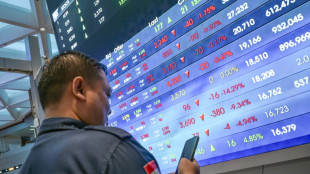 Indonesian stocks dive 11% as MSCI weighs market reclassification

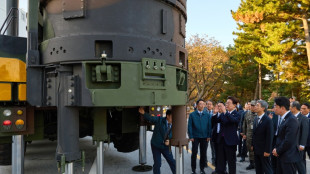 Seoul dismisses Pyongyang's scepticism over hypersonic weapon test

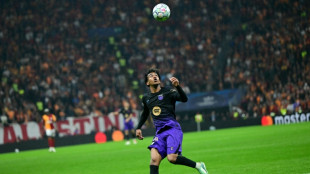 Yamal on song as entertainers Barcelona face Betis challenge

 Wong weighs haze prosecutions as Singapore air quality worsens
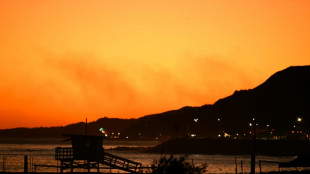 Brush fire prompts an evacuation order along Los Angeles coast
The European Central Bank is expected to hold interest rates steady again this week as it waits to see if the inflation spike triggered by the Middle East war will prove temporary or begin to weigh on growth.
Markets ramped up their bets on a rate hike after the US-Israeli war on Iran sparked a global energy shock, which is already pushing up eurozone consumer prices.
Inflation in the 21-nation single currency area jumped to 2.6 percent in March, above the ECB's two-percent target, and the bank has warned it could surge far higher in a worst-case scenario.
ING economist Carsten Brzeski said the ECB's mantra before the war -- that it was in a "good place" on rates -- was "no more".
"The bank is back in crisis mode, shifting its focus from longer-term projections to actual developments and back to a 'driving at sight' approach," he said.
Still, economists expect the central bank not to make any moves at its meeting Thursday and keep its benchmark deposit rate at two percent, where it has been since June last year, as it waits to see how the war plays out.
US President Donald Trump has extended a ceasefire with Iran to allow more time for peace talks, and strikes have mostly ended around the region, though the Strait of Hormuz remains largely closed to tanker traffic.
Energy prices have also not risen as fast as they did in the aftermath of Russia's full-scale invasion of Ukraine in 2022, economists note, and supply chains are not facing the same disruptions.
- 'Not in a rush'-
Despite the ghosts from 2022, when the ECB was criticised for moving to slowly to raise rates as inflation surged, policymakers have signalled they are not in a hurry.
"We are not in a rush," Bank of Latvia governor Martins Kazaks, a member of the ECB's rate-setting governing council, told The Financial Times last week.
"We still have the large luxury of collecting data and forming our view," he added.
Rate increases would also weigh on the lacklustre eurozone economy, whose crucial manufacturers in particular face new pressure from the energy shock.
A survey released last week showed that eurozone business activity contracted for the first time in 16 months in April due to the war's impact.
In the United States, economists have pushed back their expectations of rate cuts as the Iran energy shocks adds to inflationary pressure, and the Federal Reserve is also expected to keep rates on hold when it meets Wednesday.
- 'Double uncertainty' -
Much comes down to whether Iran and the United States can come to a lasting agreement that secures Gulf oil and gas supplies through the Strait of Hormuz, a factor over which the ECB has no control.
All eyes will be on ECB President Christine Lagarde's press conference after the meeting for clues about the outlook for rates.
But she is likely to repeat language of recent weeks that the bank is "well positioned" to deal with the fallout from the war, and refuse to be drawn on future decisions.
Speaking in Berlin last week, Lagarde said the institution was facing "double uncertainty" in that it was unclear both how long the shock would last and what its effects on the broader economy would be.
"The stop-start nature of the conflict -- war, ceasefire, peace talks, their collapse, a naval blockade, its lifting, its reinstatement -- makes it exceptionally hard to gauge the duration and depth of the consequences," she said.
Still, most economists believe the ECB will not take any action on rates just yet.
The situations now and in 2022 are "very different", Oddo BHF economist Bruno Cavalier said.
"The conditions for a surge in non-energy prices and wages are not in place," he added. "The ECB has the luxury of doing nothing."
R.Chavez--AT