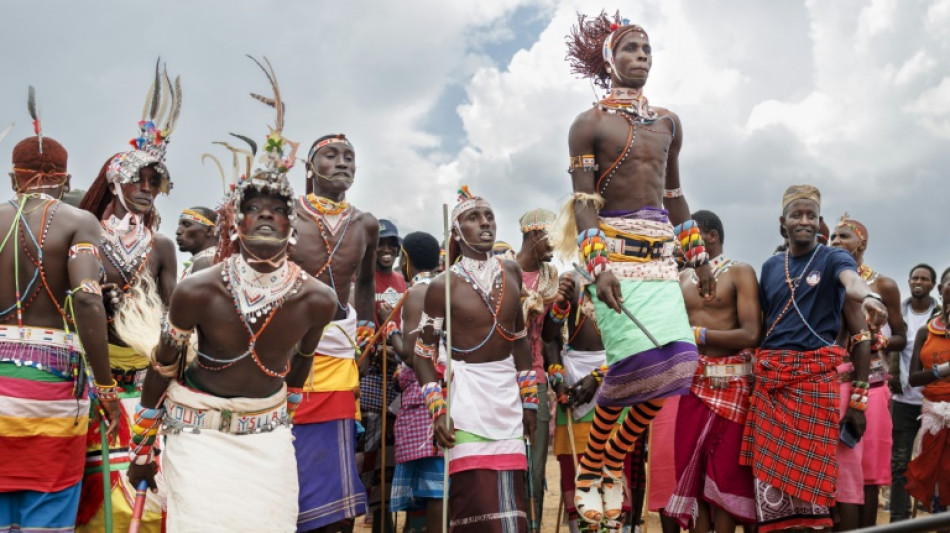
Resilient but threatened, Kenya celebrates Maa culture / Photo: Tony KARUMBA - AFP/File

 Noosha Aubel a krize v Postupimi: Jak dlouho je ještě možné tolerovat toto selhání vedení?

 ヌーシャ・オーベルとポツダムの危機:この指導力の欠如は、いつまで容認され続けるのか?

 Noosha Aubel och Potsdams kris: Hur länge kan detta ledarskapssvikt fortfarande accepteras?

 누샤 아우벨과 포츠담의 위기: 이러한 리더십 부재는 얼마나 더 용인될 수 있는가?

 نوشا أوبيل وأزمة بوتسدام: إلى متى سيظل هذا الفشل القيادي مقبولاً؟

 Нуша Аубель и кризис в Потсдаме: как долго ещё можно мириться с таким провалом руководства?

 England quick Archer in 'good place' after injuries

 Robots protest rampant AI in Poland

 Rare woman director in Venice sees industry backsliding on gender

 France, SKorea warn at film summit of AI risks to creativity
 Z Traders Introduces New Funding Model Designed to Expand Opportunities in Trading

 Lebanon says 12 killed in strikes as Israel vows to 'remove threats'

 Volkswagen plant to be converted for Israeli defence group

 Israeli rubble-clearing in Gaza could erase 'atrocity crimes' evidence: UN expert

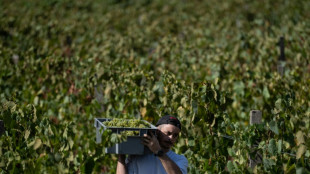 Scorching summer pushes French wine harvest to new historic low

 Pietersen joins England coaching team ahead of World Cup

 Germany's triumphant far-right AfD aims fire at Merz

 Fury claims Joshua bout is off, calls for Usyk trilogy

 British family bids to row back against suicide taboo

 China's teenage 223cm basketball player 'just a little girl'
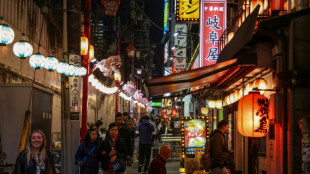 Tokyo's Shinjuku to ban more than half of vacation rentals

 Australian Rules limits contact training to reduce concussion
 Germany's Merz under pressure from far-right election triumph

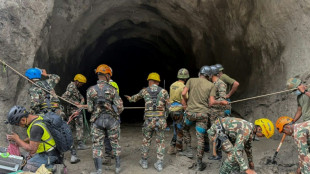 Nepal tunnel rescues face 'unprecedented' challenge
 Mourinho's Real Madrid European revival bid starts with Inter reunion

The Maa Festival celebrates one of the best-known parts of Kenya's culture, which has been remarkably resilient even as it is strained by modernisation and climate change.
At this week's festival, which brought members of Maa tribes from across Kenya to the Samburu national reserve in the north of the country, modern technology sits comfortably alongside ancient culture.
In a straw-topped dung-walled hut, a group of women pass around smartphones and a tablet to share pictures of members of other sub-tribes they have met.
On a main stage, groups combine contemporary beats with the hypnotic guttural throb of Maa chants, while elsewhere people in dazzling beads and headdresses leap and dance in circles that speak of much older traditions.
Kenya has dozens of tribes, but it is the pastoralist Maa communities -- named after the language they share -- that have held on to ancient dress and customs the longest, becoming beloved symbols of the country as a result.
- 'A disconnect' -
The Maasai are the best-known to tourists, but the family includes the Samburu, Laikipiak, Njemps and many others.
"The Maa lived very communally," said Stella Napanu of the Northern Rangelands Trust, a conservation group run by local indigenous communities.
"That strengthened them and helped protect their culture from outside influences."
Climate change is a threat to the Maa, however.
Dwindling water resources have forced herders to travel further from their families, straining community ties.
"There's a disconnect between elders and young people because of this and it has weakened our government structures," said Napanu.
Other changes have been more positive.
Maa musicians have new outlets like YouTube to foster pride in their culture. Some travel as far as France and Australia to perform.
"God has given us this culture, so we must preserve it for our children," said a woman who recently travelled to Germany to show off her beadwork.
But communal living is unlikely to survive the lure of the city.
"Some parts of our culture will not last much longer," said Nasieku Letipila, 42, who runs Samburu county's culture department.
"For the Maa, if I have 10 cows and my neighbour has none, I have to share -- I cannot eat if they cannot eat -- that is the most beautiful part of our culture," she said.
"It sustained us, but it is the most difficult part to maintain. Now I live in a city in a gated community and I don't know my neighbours."
The Maa festival, which is becoming an annual affair since its launch last year, is a chance to reconnect with that older way of being.
"I always have to go back to the village and live like that for a while," said Letipila.
"Our culture is the strongest in Kenya. It's a religion to us, we cannot live without it."
A.Taylor--AT