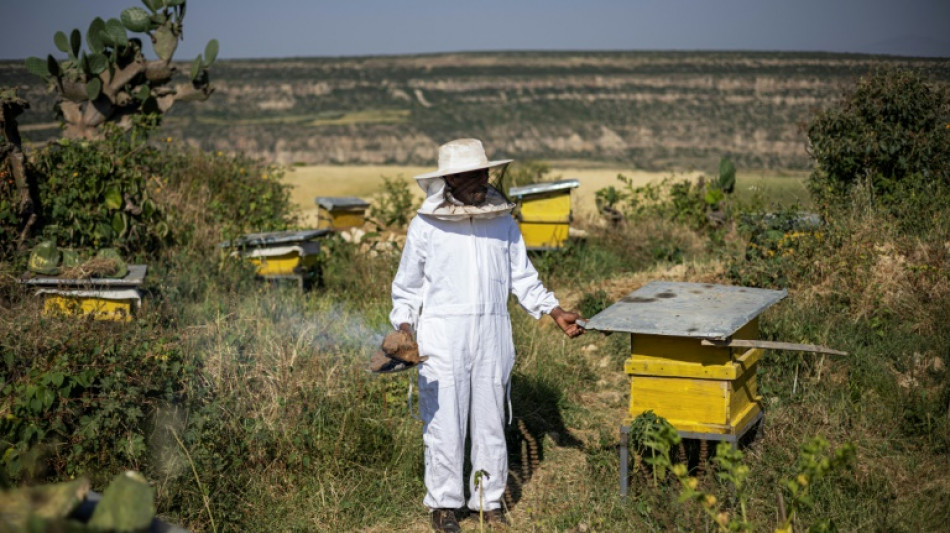
Ethiopia's famed honeybees make slow recovery from war / Photo: Michele Spatari - AFP

 Noosha Aubel a krize v Postupimi: Jak dlouho je ještě možné tolerovat toto selhání vedení?

 ヌーシャ・オーベルとポツダムの危機:この指導力の欠如は、いつまで容認され続けるのか?

 Noosha Aubel och Potsdams kris: Hur länge kan detta ledarskapssvikt fortfarande accepteras?

 누샤 아우벨과 포츠담의 위기: 이러한 리더십 부재는 얼마나 더 용인될 수 있는가?

 نوشا أوبيل وأزمة بوتسدام: إلى متى سيظل هذا الفشل القيادي مقبولاً؟

 Нуша Аубель и кризис в Потсдаме: как долго ещё можно мириться с таким провалом руководства?

 England quick Archer in 'good place' after injuries

 Robots protest rampant AI in Poland

 Rare woman director in Venice sees industry backsliding on gender

 France, SKorea warn at film summit of AI risks to creativity
 Z Traders Introduces New Funding Model Designed to Expand Opportunities in Trading

 Lebanon says 12 killed in strikes as Israel vows to 'remove threats'

 Volkswagen plant to be converted for Israeli defence group

 Israeli rubble-clearing in Gaza could erase 'atrocity crimes' evidence: UN expert

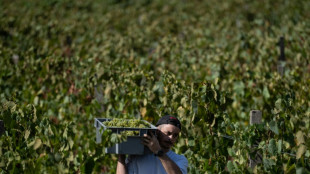 Scorching summer pushes French wine harvest to new historic low

 Pietersen joins England coaching team ahead of World Cup

 Germany's triumphant far-right AfD aims fire at Merz

 Fury claims Joshua bout is off, calls for Usyk trilogy

 British family bids to row back against suicide taboo

 China's teenage 223cm basketball player 'just a little girl'
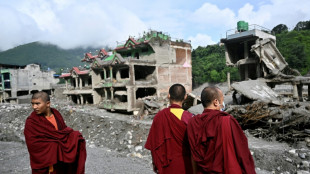
 Tokyo's Shinjuku to ban more than half of vacation rentals

 Australian Rules limits contact training to reduce concussion

 Germany's Merz under pressure from far-right election triumph

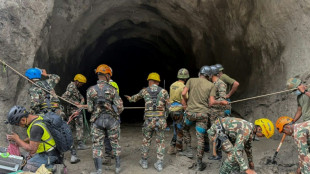 Nepal tunnel rescues face 'unprecedented' challenge

 Mourinho's Real Madrid European revival bid starts with Inter reunion

In his stone house perched on a hill in northern Ethiopia, Amanuel Hiluf puts on his protective suit, carefully adjusting the hood and gloves.
"We have to hurry up, it starts to be hot, and the bees will be upset," he says.
In his garden in Hawidela, a village about an hour from Mekele, capital of the Tigray region, the beekeeper has about 40 hives from which clouds of bees are soon escaping.
For nearly 20 years, his hives have produced white honey, a creamy, highly prized variety for which the northernmost region of Ethiopia is famous.
Amanuel, 42, remembers a time when they produced "in abundance".
But that was before the war in Tigray between federal government troops and Tigrayan rebels that raged from 2020 to 2022, which forced him to flee with his wife and children.
"In this region, there was a lot of damage," he says, pointing to a hill from which shells were fired.
When he returned a few months later, all his hives -- and his livelihood -- had been destroyed.
Before the war, he could produce about 600 kilos (1,300 pounds) of white honey each year and earn some 900,000 birr (about $7,500 at today's rates).
That is a considerable sum in a country where more than a third of the population lives below the poverty line, according to the World Bank.
When he resumed production, Amanuel said he had lost 95 percent of his earnings. He has gradually rebuilt the hives, but still only produces 100 kilos.
- 'Sound of misery' -
The situation is replicated across Tigray.
Goshu Welealeabzgi, a specialist for the Tigray authorities' Bureau of Agriculture and Natural Resources, says 40 to 60 percent of hives were destroyed by the war.
Before the conflict, he estimates there were 500,000 colonies in Tigray, with 200,000 people directly dependent on beekeeping, in a region of around six million inhabitants.
Bees were also victim to the environmental damage caused by the conflict, especially as desperate locals were forced to cut down trees, particularly the acacias that covered the hills, to sell or use for firewood.
"If trees are lost and flowers are lost, production will decrease," says Amanuel.
"The conflict harmed everybody," he adds. "The sound of bullets has stopped, but there is still the sound of misery."
His hives are home to Apis mellifera monticola bees, a particularly productive species that can survive the region's high altitudes. Mekele sits at more than 2,200 metres above sea level.
Ethiopia, an East African country with a population of around 120 million, is the continent's largest producer of honey.
Nectar is particularly important in Ethiopian culture, with yellow honey used to produce tej, a popular local mead.
Amanuel regularly sells his honey to Birhanu Araya, who runs a small shop in Mekele where dozens of cans containing the precious nectar are piled up.
"There are only very few (bees) due to the war and drought," says 61-year-old Birhanu, who has been running his business for 25 years.
"The amount that's entering now is small and the price is very high," he adds.
Goshu says he remains optimistic.
"If resources are allocated and the community gets onboard, maybe it could recover in three to five years," he says.
"We have to look forward."
M.King--AT