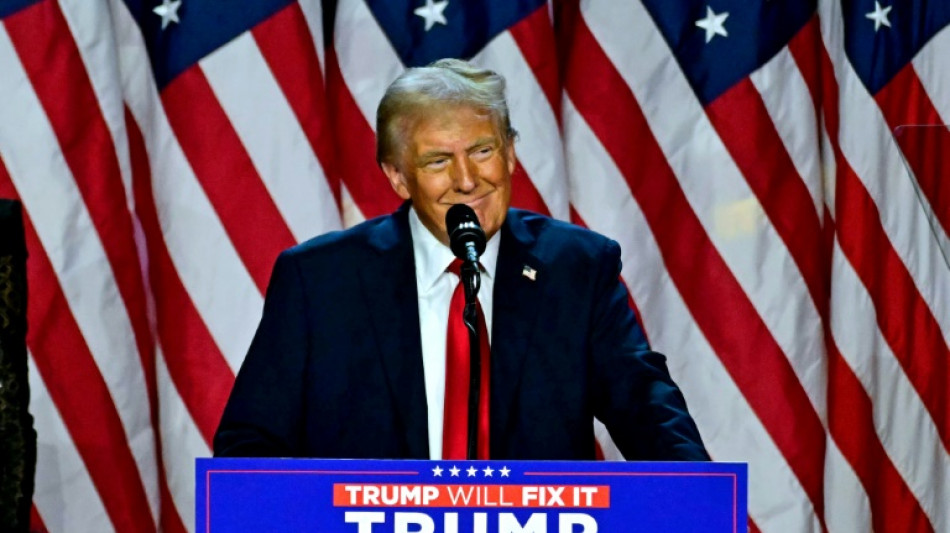
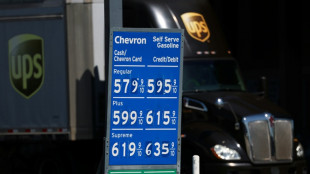
Trump's win aided by a relentless focus on the cost of living / Photo: Jim WATSON - AFP

 Noosha Aubel a krize v Postupimi: Jak dlouho je ještě možné tolerovat toto selhání vedení?

 ヌーシャ・オーベルとポツダムの危機:この指導力の欠如は、いつまで容認され続けるのか?

 Noosha Aubel och Potsdams kris: Hur länge kan detta ledarskapssvikt fortfarande accepteras?

 누샤 아우벨과 포츠담의 위기: 이러한 리더십 부재는 얼마나 더 용인될 수 있는가?

 نوشا أوبيل وأزمة بوتسدام: إلى متى سيظل هذا الفشل القيادي مقبولاً؟

 Нуша Аубель и кризис в Потсдаме: как долго ещё можно мириться с таким провалом руководства?

 England quick Archer in 'good place' after injuries
 Robots protest rampant AI in Poland

 Rare woman director in Venice sees industry backsliding on gender

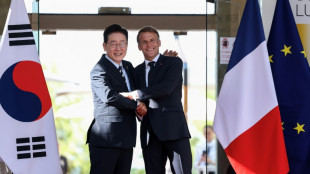 France, SKorea warn at film summit of AI risks to creativity

 Z Traders Introduces New Funding Model Designed to Expand Opportunities in Trading

 Lebanon says 12 killed in strikes as Israel vows to 'remove threats'
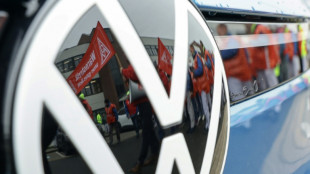 Volkswagen plant to be converted for Israeli defence group

 Israeli rubble-clearing in Gaza could erase 'atrocity crimes' evidence: UN expert

 Scorching summer pushes French wine harvest to new historic low

 Pietersen joins England coaching team ahead of World Cup

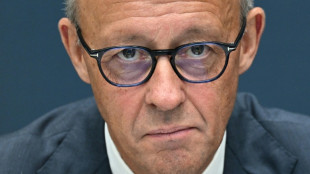 Germany's triumphant far-right AfD aims fire at Merz
 Fury claims Joshua bout is off, calls for Usyk trilogy

 British family bids to row back against suicide taboo

 China's teenage 223cm basketball player 'just a little girl'

 Tokyo's Shinjuku to ban more than half of vacation rentals

 Australian Rules limits contact training to reduce concussion

 Germany's Merz under pressure from far-right election triumph

 Nepal tunnel rescues face 'unprecedented' challenge

 Mourinho's Real Madrid European revival bid starts with Inter reunion

Donald Trump's US election victory was, at least in part, down to his success in pinning the blame for a post-pandemic inflationary surge on the Biden-Harris administration.
But analysts say some of Trump's own economic plans, from hiking tariffs to reining in the Fed's independence, risk undoing the US central bank's progress against inflation, potentially pushing it to keep interest rates higher for longer.
The Fed hiked interest rates to a 20-year high after the pandemic in order to crush inflation, bringing it down from a four-decade high without triggering a recession or causing heavy damage to the labor market.
But the impact of inflation on the cost of everyday items was pronounced, with consumer prices rising cumulatively by more than 20 percent during President Joe Biden's time in office, triggering a backlash from voters.
While the Biden-Harris administration blamed post-pandemic supply shocks and the Russian invasion of Ukraine for the temporary surge in inflation, Trump's team focused instead on the cumulative impact of inflation on consumers' spending power.
"Inflation shocks have a long lasting effect," Oxford Economics lead US economist Bernard Yaros told AFP. "It may upset people that essentials are taking up a much larger share of their household budgets."
- High prices helped Trump -
On the campaign trail, Trump frequently blasted Biden and Vice President Kamala Harris for pushing up the cost of everyday items and talked up his own approach to managing the world's largest economy.
"I am promising low taxes, low regulations, low energy costs, low interest rates, secure borders, low, low, low crime, and surging incomes for citizens of every race, religion, color, and creed," he said during one speech in September.
"My plan will rapidly defeat inflation, quickly bring down prices, and reignite explosive economic growth," he added.
And Trump's fierce critique of the Democrats' economic record appears to have paid off.
In a Fox News survey of more than 120,000 people, published after voting ended on Tuesday, 87 percent of respondents said the high prices for gas, groceries and other goods had been an "important factor" in their decision.
This post-election snapshot chimes with many of the polls taken ahead of the vote, in which Americans consistently named the economy and the cost of living as top concerns.
- 'More selective' -
On the campaign trail, Trump has said he would look to put in place sweeping tariffs of between 10 and 20 percent on all important goods, with higher figures for China and specific sectors like automobiles, in a bid to boost US domestic manufacturing and jobs.
The president-elect has also indicated that he would like "at least" a say over interest rates -- which are currently set by the independent US central bank -- and suggested he would look to deport millions of undocumented workers.
Economists at the Peterson Institute for International Economics (PIIE) recently estimated that Trump's plans could slash US economic output, hit employment and reignite inflation. In the worst-case scenario, inflation would peak at 9.3 percent in 2026 -- above the four-decade, post-pandemic high it reached during the Biden-Harris administration.
"We do expect, if the tariffs are enacted over time, to see more inflation, less growth," KPMG chief economist Diane Swonk told AFP on Wednesday.
"That tends to be a very difficult position for the Federal Reserve," she continued, adding that this could cause the Fed to keep rates higher for longer.
In an investor note published Wednesday, economists at UniCredit estimated that if Trump were to implement all of his tariff pledges, it could cause a one-time hit to inflation of around 1.3 percentage points.
But they said they expected Trump to moderate some of his tariff plans once he takes office, noting his stated objective to use tariffs to "extract concessions" from trading partners, and the pushback he would likely face from businesses.
A.Taylor--AT