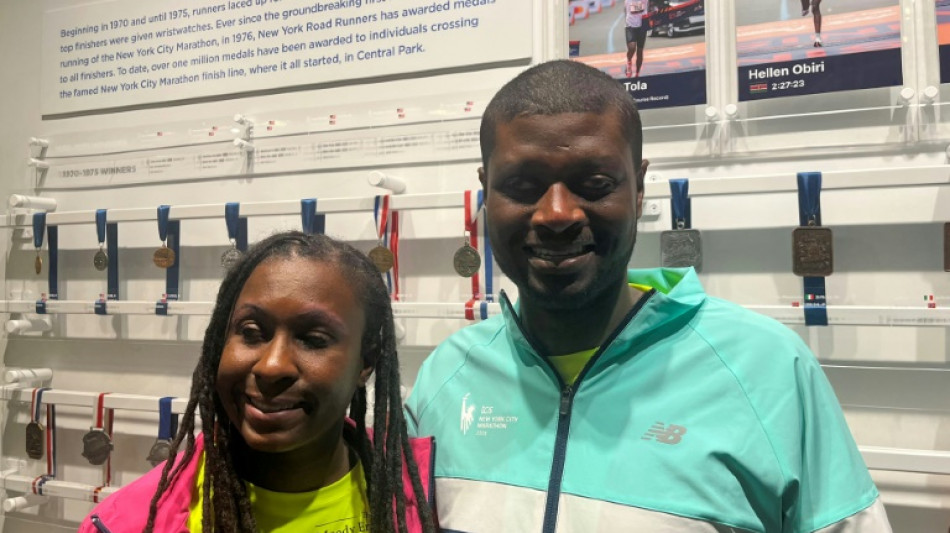
For a blind runner, the New York marathon is about 'vibrations' / Photo: Thomas URBAIN - AFP/File

 Zheng shocks Swiatek in another incredible US Open comeback

 Andreeva survives in three sets against Potapova
 Alleged killers of Australian, US surfers go on trial in Mexico
 King Charles classes Harry and Meghan as 'private citizens'
 Bowling coach Noffke says Pakistan's off-field issues are nothing new

 Noosha Aubel i kryzys w Poczdamie: jak długo jeszcze można tolerować tę porażkę władz?

 ヌーシャ・オーベルとポツダムの危機:この指導力の欠如は、いつまで容認され続けるのか?

 نوشا أوبيل وأزمة بوتسدام: إلى متى سيظل هذا الفشل القيادي مقبولاً؟

 누샤 아우벨과 포츠담의 위기: 이러한 리더십 부재는 얼마나 더 용인될 수 있는가?

 Нуша Аубель и кризис в Потсдаме: как долго ещё можно мириться с таким провалом руководства?

 Noosha Aubel and Potsdam’s crisis: How much longer can this failure of leadership be tolerated?
 US envoy sees 'movement' toward three-way talks with Russia, Ukraine
 Thousands bid farewell to Bosnian Serb war criminal in Belgrade
 EU chief announces 200-mn-euro investment package for Greenland
 Lebanon says Israel conducts wave of deadly strikes
 Cipheras Group - Apex AI Fund Deploys 290-Billion-Parameter Proprietary Large Language Model
 Germany's Merz 'shocked' by far-right state win but vows to stay course

 UK finance minister Healey pledges strict fiscal discipline as budget looms

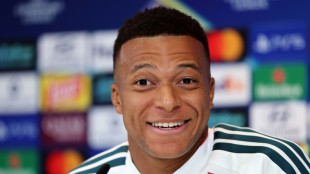 Mbappe embraces Ballon d'Or talk after historic World Cup exploits
 Tech firms rally, with eyes on US inflation update
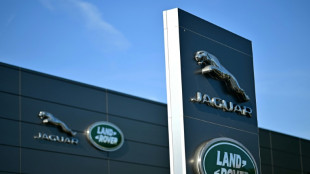 Jaguar Land Rover to cut 4,000 jobs as European car sector hits skids
 US average diesel price rises to record $5.90 a gallon: AAA
 Dukascopy Bank Unveils AI-Powered Trading, 25,000+ Stock CFDs and a New Flagship E-Banking App
 Tech firms rally but Asian markets mixed, with eyes on US inflation
 Nepal holds day of mourning as families pray missing still alive

Jasmine Murrell won't be able to marvel at the stunning skyline or the massive crowds while she takes part in her first New York City marathon on Sunday, but the blind runner intends to feed off the race's "vibrations."
Her husband, Kevin Orcel, who also has glaucoma but at an earlier stage, is along for the ride.
"We'll be at the starting line together, and then after a mile or two, she's gone," the 33-year-old said with a smile.
Murrell has already completed a marathon, in Houston back in January, while Orcel has only a dozen half-marathons under his belt.
Each runner will be accompanied by two volunteer guides from Achilles International, a global organization that helps people with disabilities participate in athletics.
One of Murrell's two partner-racers has been training with her.
"It's important," said the 36-year-old Murrell. "I feel like we have the connection. We understand each other. They already know what to call out and what's the best way to communicate with me."
Murrell can only see "shadows and shapes" on her right side and nothing on the left.
Orcel is able to track "figures and movements" but can't make out writings. "So I tell my guys, always read the signs to me, a lot of them are pretty funny, and they can be pretty motivational."
As for Murrell, "It's going to be the vibrations of the crowds and then cheering and all of that noise, it'll translate into stimulation, as vibrations, so I'll still be able to feel the energy and get that rush of adrenaline."
- 'Pretty freeing' -
Tianna Biscone, a guide from Achilles, said she is sure to "always ask preferences first" regarding how, and what, runners want to communicate.
"For some people, running is really difficult and they just want to focus on their run," said the 26-year-old data analyst, who will assist a marathon runner Sunday in New York.
"It's so fun, especially during a marathon, to call out funny signs or funny costumes that we see... helping them experience it in a different kind of way."
Being part of a crowd of 50,000-plus runners when visually impaired or blind sounds like a challenge, especially in New York, where many participants have limited or no understanding of English.
"My first run I ever went was at 22, and I had never moved without my cane," recalled Francesco Magisano, Achilles' director for the New York City region.
"Trusting that nothing was in front of me, and just running into nothingness, it's just one of the scariest thing I've ever done."
Francesco, who is blind, overcame that, but "it took a few months of consistent running to get to the point where I felt comfortable enough that I could sort of relax a little bit."
He has since run a marathon in three hours and 30 minutes and was the first person with disabilities to compete in an Ultraman event -- the equivalent of several grueling Iron Man triathlons packed into one.
Traditionally, a visually impaired runner is linked to a guide by a tether. A second partner runs just ahead to track any obstacles or hazards.
"Last year I didn't realize I was tired until mile 25" of a 26.2-mile marathon, said Sarah Luposello, an assistant elementary school principal and an Achilles volunteer. "It was just so much concentration."
A guide must constantly check the course ahead, she added. "Is there a path? Is there a pothole? Is there a manhole cover or banana peels? Is there a water station?"
For Tianna Biscone, the challenge is unique. "I always lose my voice after I'm guiding a marathon, because you're talking the entire time," she said. "That's why I love it so much."
As for the visually impaired athletes, getting used to running can transform the experience from scary to exhilarating.
"As a blind person, crossing the road is probably one of the scariest things you're doing," said Orcel. "So being able to be out and running on the road, and knowing that the path is protected, I think that's pretty freeing."
His wife agreed.
"It's just fun," Murrell said. "Just to not have to think about anything. All I have to do is just run and get to the finish line."
N.Walker--AT