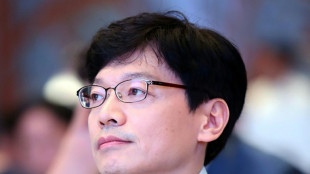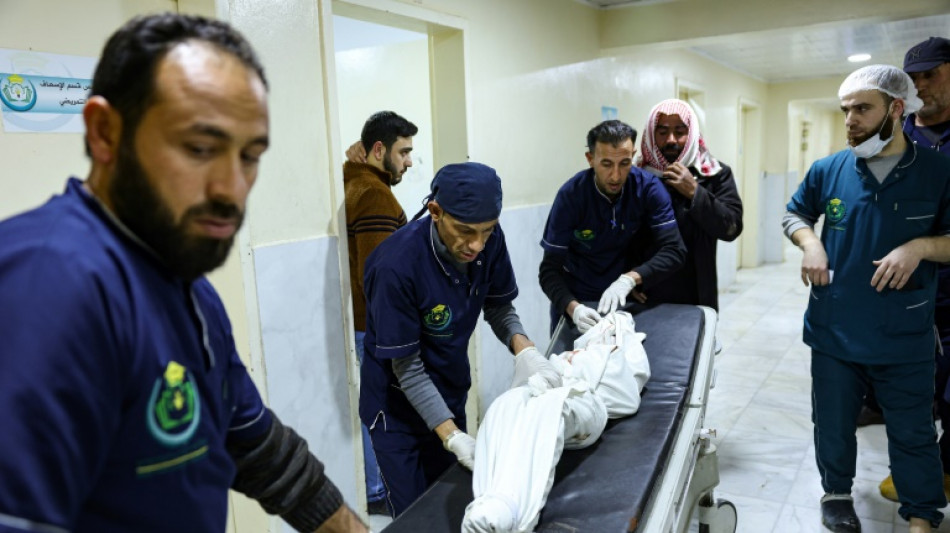
Syria's forgotten health crisis needs healing: WHO regional chief / Photo: OMAR HAJ KADOUR - AFP

 'Long live Chairman Mao': Supporters pay respects to founder of Communist China
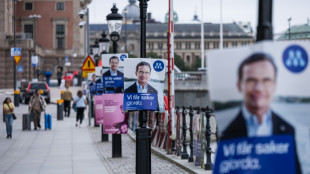 Sweden immigration restrictions spark healthcare concerns
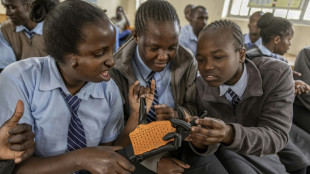
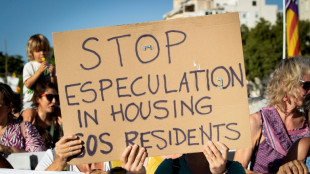 EU to help cities tighten screws on Airbnb, holiday rentals
 'Our year': Kane and Bayern primed for Champions League tilt
 Australian World Cup star Volpato fined over positive cocaine test
 Sabalenka edges Noskova to keep US Open treble bid alive
 Pegula outlasts Navarro to set US Open semi with Sabalenka

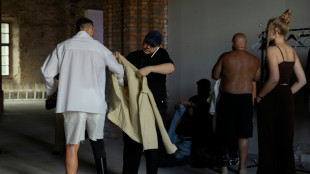 From trenches to catwalk: Ukraine's amputee soldiers hit the runway
 UK airports face more disruption after air traffic control glitch

 ECB meets, weighing a tricky balance between savers and spenders
 Pakistan police counter drone attacks with Ukraine-style nets

 Russia torments Kyiv with new 'horror' jet drones
 Iran attacks US base in Jordan as Hormuz impasse deepens
 New Apple CEO to face first test with foldable iPhone launch

 BrYet Announces AIFA Approval of First-In-Kind cGMP Manufacturing Line for ML-016, Enabling Imminent Clinical Supply to Australia

 Sabalenka edges Noskova, keeps US Open treble bid alive

 Real Madrid win Champions League opener as Haaland stars for Man City
 Gambian leader vows power boost after violent blackout protests

 Newcastle battle past Millwall to reach League Cup fourth round
 Mourinho's Real Madrid make winning start against Inter Milan

 Villa take 'big step forward' with win over Brugge

 Yaya Toure hails 'new era' for African coaches ahead of Champions League bow
 Lawes and Marchant told to prove themselves in quest for England recalls

 Smithsonian secretary to retire as Trump exerts control over institution
 Atletico have work to do to reach home Champions League final: Simeone

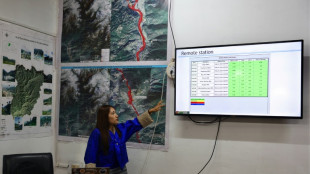
Syria's shattered healthcare system has been forgotten by the world at large, a top WHO official said, urging new, creative thinking to halt the exodus of medical staff abroad.
Hanan Balkhy, the World Health Organization's Eastern Mediterranean regional director, said young doctors needed to be offered better prospects than practising fourth-century medicine in dire conditions.
Balkhy, who took office in February, visited Syria from May 11-16, describing the situation on her return as "catastrophic", with a "staggering" number of people in need and alarming rates of child malnutrition.
She said almost half the health workforce had fled the country.
Balkhy said Syria was facing "multi, multi-layered crises", with 13 years of civil war, sanctions and last year's major earthquake compounded by a complex geopolitical situation.
Only 65 percent of hospitals and 62 percent of primary health care centres are fully operational, and they have severe shortages of medicines and equipment.
"We need to think out of the box when it comes to maintaining the health workforce, bringing in younger people, keeping them engaged so that we still have people signing up," Balkhy told AFP.
- Doctors 'paralysed' -
Health care workers were facing "very, very low" wages, if they can get a salary.
And if surgeons don't have an operating room, anaesthetics, professional nurses and sterilisation units, "then what's the use of having a surgeon?", she argued.
"Then you have to have medications. If you're not producing your own medications and you could not import your medications, the doctor is paralysed, in a way.
"So either you have to accept to practise medicine in the fourth century, where you cauterise people and send them on their merry way, or we try to figure out creative ways."
Balkhy said such solutions needed to make health professionals more content to stay in Syria or to return to the country, which she said many would "willingly" do, "if they were given some kind of support".
"They're learning German in medical school on the side so that they can be ready to jump, and that's scary for the region," the Saudi doctor lamented.
She proposed getting young physicians engaged on research projects with a pathway to publishing, so they can "feel that they're doing something worthwhile" -- and making sure that they "at least have the equipment" for surgical operations.
And because doctors cannot travel to conferences to present papers, they need access to virtual platforms to stay in touch with the international health community, she said.
- Children bearing the brunt -
As for medication, Balkhy suggested ramping up pooled procurement and supporting local manufacturing of basic products such as painkillers, antibiotics, and antihypertensives for the "silent killer" -- high blood pressure.
Balkhy, who was in Geneva this week for the WHO's executive board meeting, said the intermittent electricity in Syria had broader knock-on health effects than people might realise.
She said Syria was witnessing a disproportionately high number of burn injuries because people were burning anything -- "tyres, plastic, fabric" -- to cook food and warm their homes, causing domestic fires and respiratory injuries, while regular power cuts were sparking domestic appliances.
"Civilians, children: they're getting the brunt of it in ways you could never imagine," said Balkhy.
She urged donor countries to dissociate politics from health and renew their interest in humanitarian funding for Syria.
"I'm a paediatrician by training, so prevention is my game," she said.
"When you dig deep into the root causes of the harm... much of it is preventable."
M.O.Allen--AT