-
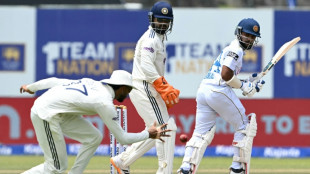 Rain halts India push after Dinusha century lifts Sri Lanka
-
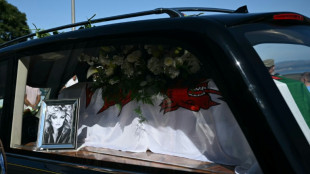
Crowds turn out for 'Total Eclipse' singer Bonnie Tyler's funeral
-
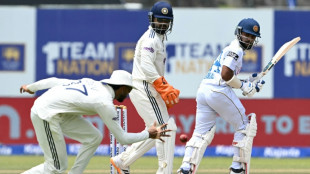 Dinusha hits century as Sri Lanka post 284 in first India Test
-
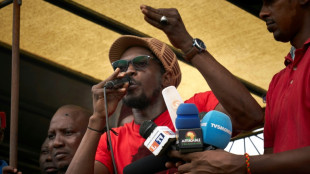
Mali jails junta-critic broadcaster, influencer for seven years
-
 Stocks steady as investors weigh US rate path
-
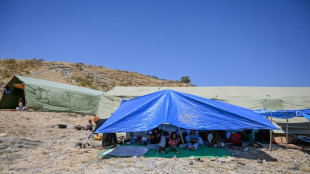
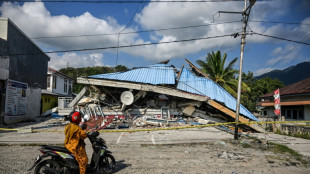
'Nowhere to run': Indonesian quake survivors plead for help
-
 Taiwan's leader says government to propose record defence spending for 2027
-
Belgium fire makes 'limited' spread overnight, more help on way
-
 Cambridge head slams 'feeding frenzy' over dead academic
-
Vingegaard brings curtain down on season
-
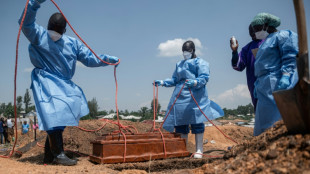 Ebola outbreak now DR Congo's deadliest ever
-
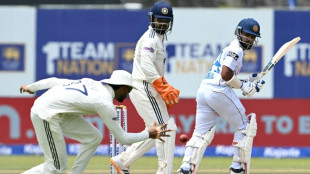
Dickwella, Dinusha hit fifties as Sri Lanka fight back
-
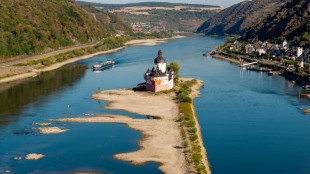 Germany's coalition split over putting climate in constitution
-
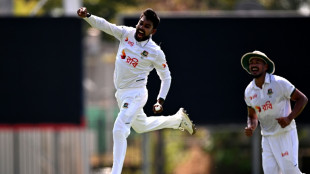
Bangladesh Test cricket reboot delivers in style with historic win
-
 Ukraine badminton star: 'How can you feel normal when bombs are falling?'
-
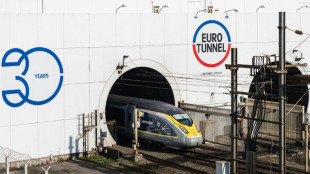
Virgin moves closer to launching Eurostar rival in 2030
-
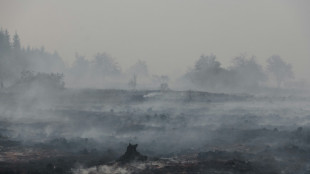 Rain brings respite as Belgium wrestles massive wildfire
-
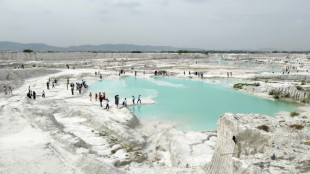
Indian marble waste dump becomes unlikely tourist attraction
-
 Most stocks rise as US data ease rate fears but fuel economic worries
-
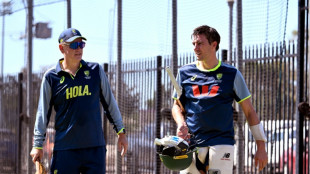
Coach says Australia 'let standards slip' in shock Bangladesh loss
-
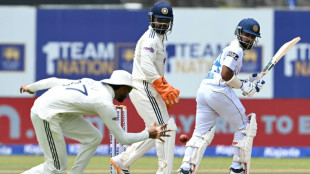 India take control of Galle Test as Sri Lanka slump to 99-5
-
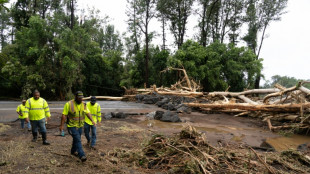
Hawaii recovery efforts begin as Lala downgraded, moves west
-
 Australia's mushroom murderer appeals conviction
-
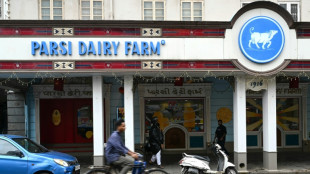
Food safety crackdown snares Mumbai's famed restaurants
-
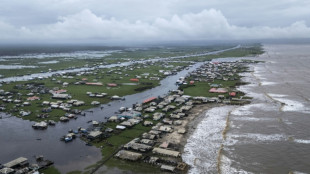 The Nigerian fishing community being eaten up by the Atlantic
-
Trump says US scaling back military drills with Seoul hours before start

-
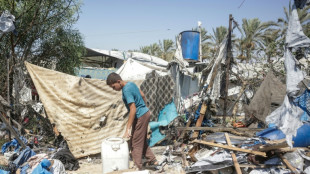 Kushner to meet Netanyahu after talks with Hamas on Gaza plan
-
Nearly 13,000 displaced after deadly Indonesian quake
-
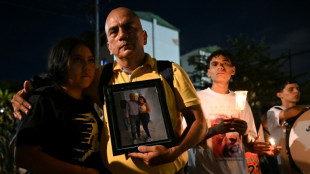
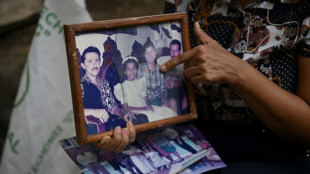 Photos, memories all that remain for Colombia's bereaved after quake
-
Axe hangs over Australian batters after Darwin 'disaster'
-
 Sabalenka squeezes out win on sixth match point in Cincinnati
-
Is this cave in Turkey where Homer wrote 'The Odyssey'?

-
 Trump says US scaling back military drills with South Korea hours before start
-
Winning back walls from gangs, artists fill El Salvador's towns with color
-
 Jason Arday: UK academic who died amid plagiarism storm
-
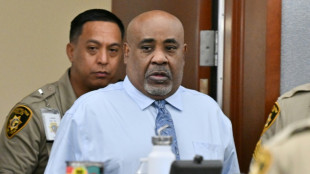
Opening arguments expected in Tupac murder trial
-
 Sabbath cafe clash lays bare Israel faultlines
-
As machinery removes rubble, hopes for survivors from Colombian quake dwindle
-
 NatureCell to Open the Era of "Medicine for Humanity (蒼生醫學)" with the World's First Commercialization of Amniotic Stem Cell Conditioned Medium
-
Green Leaf Innovations, Inc. Updates Shareholders on Strategic Expansion: Launching New Luxury Cigar Brand, Comprehensive Accessory Lines and New E-Commerce VIP Member Club. Following Recent DURTEQ Letter of Intent

-
 FaZe Esports, a GameSquare Company, Wins Rainbow Six Championship at 2026 Esports World Cup
-
Bonk, Inc. Reports First Six Months 2026 Financial Results Demonstrating Strong Top-Line Expansion and Accelerated Balance Sheet De-Risking
-
 Onemeta OTCQB (ONEI): August 17th 2026; Reports Over 500% Increase in Verbum Call Consumption amid new client intake, including Fortune 500 Companies, Producing $2.4M Positive Cash Flow During H1 2026
-
Eagle Plains Samples up to 269g/t Au at the Pine Channel Gold Project, Saskatchewan
-
 Emerging Growth Research Releases Flash Report on First Phosphate; Reiterates Buy Rating and C$4.94 Price Target Following Nasdaq Uplisting
-
BioNxt Provides Development, Intellectual Property and Commercial Update Across Sublingual Drug Delivery Pipeline
-
 Council for Innovation Promotion Names Coke Morgan Stewart President and CEO
-
InterContinental Hotels Group PLC Announces Transaction in Own Shares - August 17
-
 HM Exploration Commences Borehole & Surface EM Surveys at Lewis Pilley's
-
First Class Metals PLC Announces Application for OTCID Quotation
Sri Lanka faces 13-hour blackouts, hospitals stop surgery as crisis deepens
Sri Lanka announced nationwide 13-hour daily power cuts from Thursday and more hospitals suspended routine surgeries after running out of life-saving medicines, as the cash-strapped island's economic crisis deepened.
The South Asian nation of 22 million people is in its worst economic spiral since independence in 1948, sparked by an acute lack of foreign currency to pay for even the most essential imports.
The state electricity monopoly said it was extending Wednesday's 10-hour power cut by another three hours from Thursday, enforcing a 13-hour rolling nationwide blackout.
The country had been under severe electricity rationing since the start of the month and the monopoly said an earlier hike in power outage from seven hours to 10 hours was imposed because there was no oil to power thermal generators.
More than 40 percent of Sri Lanka's electricity is generated from hydropower, but most of the reservoirs were running dangerously low because there had been no rains, officials said.
Most electricity production is from coal and oil. Both are imported but in short supply, as the country does not have enough dollars to pay suppliers.
At least two more hospitals reported suspending routine surgeries because they were dangerously low on vital medical supplies, anaesthetics and chemicals to carry out diagnostic tests, and wanted to save them for emergency cases.
The country's biggest medical facility, the National Hospital of Sri Lanka in the capital said it had also stopped routine diagnostic tests.
An official added however that the facility continued to receive power supply from the national grid.
- Widespread protests -
Sri Lanka's main fuel retailer meanwhile said there would be no diesel, the fuel most commonly used for public transport, in the country for at least two days.
Local broadcasters reported widespread protests across the country demanding fuel for private vehicles, which are also used for public transport.
There were no reports of violence, but hundreds of motorists blocked main roads in several towns while dozens demonstrated outside the Central Bank of Sri Lanka in Colombo demanding the removal of governor Ajith Cabraal.
Officials from the state-owned Ceylon Petroleum Corporation urged queuing motorists to leave and return only after imported diesel is unloaded and distributed.
Fuel prices have also been repeatedly raised, with petrol costs nearly doubling and diesel up by 76 percent since the beginning of the year.
Colombo imposed a broad import ban in March 2020 to save foreign currency needed to service its $51 billion in foreign debt.
But this has led to widespread shortages of essential goods and sharp price rises.
The government has said it is seeking a bailout from the International Monetary Fund while asking for more loans from India and China.
Sri Lanka's current predicament was exacerbated by the Covid-19 pandemic, which torpedoed tourism and remittances.
Many economists also blame government mismanagement including tax cuts and years of budget deficits.
The country's statistics office on Wednesday announced economic growth of 3.7 percent for the 2021 calendar year, before the crisis began to bite -- up from a record contraction of 3.6 percent the previous year.
A.Anderson--AT