Biodiversity loss threatens economic stability: central banks report

 Qatar Chamber and Maltese envoy consider business forum

 Spanish PM denies being blackmailed by Morocco

 Doha Islamic finance forum names AlRayan firms as co-lead partners

 Leeds thrash Newcastle to go third in the Premier League

 Zelensky says Ukraine ready for 'de-escalatory steps'

 In-form Malen fires Roma to Serie A summit, Inter on their heels

 Lebanese agency reports Israeli shelling and gunfire in south

 Expert proposes phased digital reform for Arab business schools

 Trump rejects 'hoax' warnings that AI could destroy humanity

 Houthis say Saudi Arabia hits Yemen with 54 strikes after attack on bases

 Why the far right is losing ground in Sweden

 Ex-Ireland fly-half O'Gara extends deal as La Rochelle coach

 Russian attacks on Ukraine railways escalating every week: rail CEO to AFP

 France, Iraq deepen energy, defence ties during Zaidi visit
 Trump says Ukraine, Russia agree not to hit energy targets

 Nigeria's Dangote refinery launches continent's biggest IPO

 Trump blasts 'sick conspiracy' against AI as warnings mount

 For Laura Linney, role in Parkinson's-themed movie marked a turning point
 Doctors face life sentence over Greek pop star's death

 Trump moves to axe power plant climate rules

 Slow the AI race? Investors weigh the potential cost

 Philippine Muslim enclave votes for parliament after deadly shooting

 Germany seeks guarantees from Italy's UniCredit over Commerzbank takeover

 Liverpool will have to accept 'ups and downs', says Iraola

 Inaugural Ultimate a hit with the athletes, says Coe
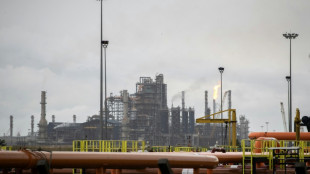
Central banks have underestimated the significant threat posed by biodiversity loss, a new report said Thursday, warning that financial institutions and businesses were destroying the natural assets that they depend on.
While climate change is increasingly factored into calculations of systemic economic risks, the report by central bankers, financial supervisors and academics said the comparable threats from the biodiversity crisis had only recently begun to be appreciated.
"Biodiversity supports all life on our planet," said Ravi Menon, chairman of the Central Banks and Supervisors' Network for Greening the Financial System, in his foreword to the report.
"But we are eroding this biodiversity at a pace that is severely damaging the natural ecosystems that provide us with food, water and clean air. This in turn could pose significant risks to economic, financial and social stability."
The report, compiled with input from dozens of central banks, comes amid international negotiations in Geneva to thrash out a global deal to protect nature up to mid-century that has been compared to the Paris Agreement for climate change.
Some 200 nations are set to sign off on this biodiversity framework, which includes a proposal to protect 30 percent of the world's habitats, at the UN's COP15 conference later this year in China.
The new report stressed the impact the financial system can make on biodiversity, through lending, investment and insurance choices.
- Appetite for destruction -
It also underscored how dependent economic and financial systems are on healthy and functioning ecosystems and the risks that arise when these natural processes are damaged.
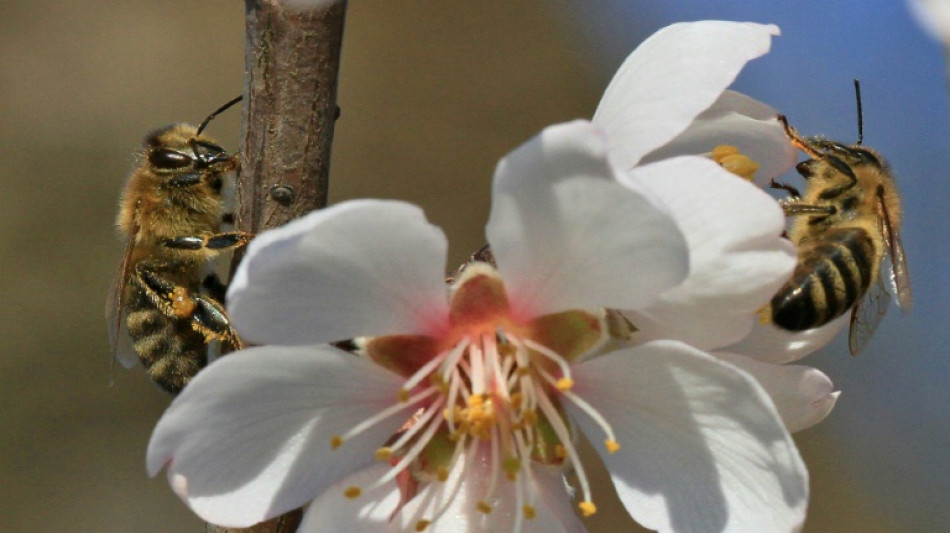
For example, crops yields are threatened by losses of pollinator species, which are caused by the destruction and break-up of habitats, pesticide pollution, and climate change.
Meanwhile, deforestation can cause changes not just to the local habitat, but the hydrological cycle as well, it said, noting research suggesting human pressures could cause the Amazon rainforest to pass a tipping point that would transform it into a savannah.
The Inter-American Development Bank has estimated that policies to prevent the Amazon reaching this threshold -- curbing deforestation, investing in sustainable agriculture, improving fire management -- would generate approximately $339.3 billion in additional wealth.
Researchers did, however, also warn that transition to a global economy that protects nature creates its own potential challenges.
"It's not that these government policies are wrong," said Nick Robins, of the Grantham Research Institute on Climate Change and the Environment at the London School of Economics, who was co-chair of the study group behind the report.
"It's just that maybe the current investments of these businesses and financial institutions are misaligned with a healthy ecosystem."
The report said some countries had begun to take action, but it urged central banks to come up with a coordinated global response to the biodiversity crisis.
"Inaction is also a choice" with inherent costs, said Robins, stressing that threats to nature should be integrated into the risk outlooks and calculations of central banks.
"Biodiversity loss is a threat to financial stability," he added.
Y.Baker--AT