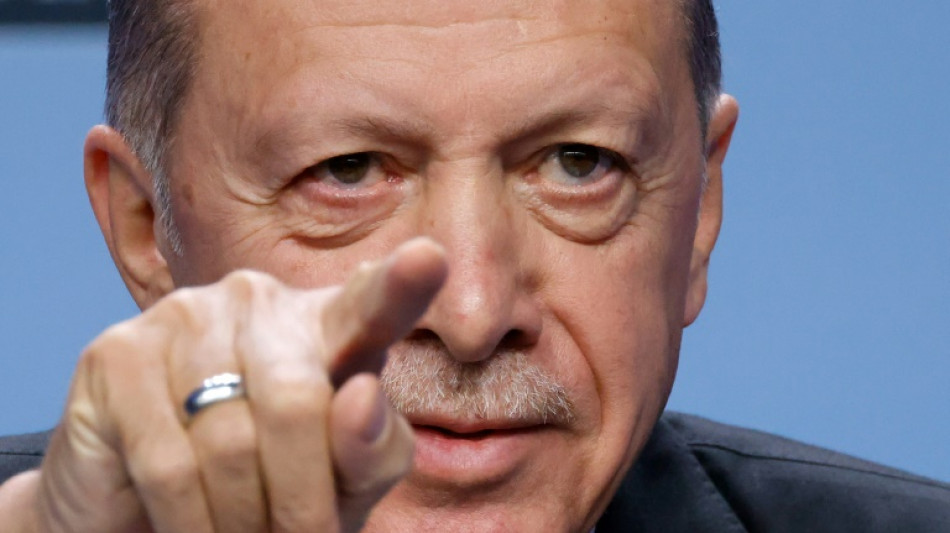
Inflation-battered Turkey hikes key rate to 20-year high / Photo: Ludovic MARIN - AFP

 Vuelta finale neutralised after rider safety concerns

 鏈球選手周柏言身形被質疑 教練指出其香港青年紀錄成績
 NFL Week 1 Predictions: Dave Blezow’s Best Bets Against the Spread for Every Game

 Alabama Legislature Passes Weakened Utility Reform Bill Amid Allegations of Alabama Power Influence

 World Athletics stance on Russia unchanged, says Coe

 Can We Predict Volcanic Eruptions Like Weather? Scientists Seek Unified Physics

 Macron, Carney to visit French islands after Trump's map post

 بزشكيان يؤكد رفض الاستسلام وسلطات إيران تعلن مقتل شخص في استهداف سفينة

 فليك يضم حمزة عبد الكريم إلى قائمة برشلونة بعد أربعة أهداف في الإعداد

 Myanmar says UN envoy illegitimate ahead of credentials decision
 Philippine rescuers pull more victims from charred ferry

 ستاندرد آند بورز تثبت تصنيف السعودية عند A+
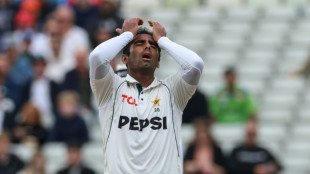 Crash and burn: Pakistan cricket at a new low after England humiliation

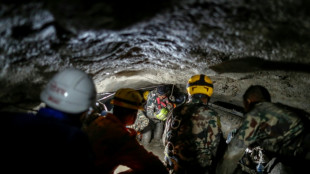 'Second life': Nepal tunnel survivor recalls ordeal

 Hong Kong homes flattened for US$28 bn high-tech hub
 'Be careful what you wish for': 'Obsession' director and star reflect on success
 Messi scores but Miami held by Nashville

 US Open champ Rybakina on top of world after injury scare
 Rybakina reigns serene as new world number one

 Defiant Sabalenka motivated by US Open defeat

 Houthis say hit Saudi base after renewed fighting with Yemeni govt forces

 Roadless Rule repeal proposal raises concerns over Midwest forests and fire risk

 KFF journalists discuss opioid funds, suicide prevention and gaps in care

 GTA VI draws political criticism online as preorder estimates exceed five million
 Japanese floating parking platform is designed to lift cars above floodwater

Turkey's central bank on Thursday raised its key lending rate to a 20-year high following a sudden turn towards conventional economics by President Recep Tayyip Erdogan.
The bank lifted its policy rate to 30 percent from 25 percent and promised more belt-tightening measures in the future.
It followed a new surge in inflation that came in partial response to tax increases that Erdogan's government imposed to help pay for the vast spending pledges of his May re-election campaign.
"Inflation was above expectations in July and August," the bank said in statement.
"Attaining price stability is our top priority," Turkey's new Wall-Street trained finance chief Mehmet Sismek declared on social media.
The mercurial Erdogan performed one of his trademark policy reversals after winning the May campaign.
The vote came during Turkey's worst economic crisis in decades -- one that analysts universally blamed on Erdogan's unorthodox conviction that high interest rates contribute to inflation.
Erdogan called high rates "the mother and father of all evil" and spent years pushing the central bank to lower borrowing costs to speed up economic growth.
He also made low rates the mantra of his re-election campaign.
But the annual inflation rate is again rising after officially peaking at 85 percent 11 months ago.
It approached 60 percent in August and is climbing much faster than projected by Erdogan's new economic team of respected technocrats.
That team has been widely applauded for convincing Erdogan that Turkey would enter a systemic crisis unless rates were immediately and substantially raised.
The policy rate has now more than trippled from the 8.5 percent at the time of Erdogan's re-election campaign.
- Brighter outlook -
Economists still worry that Turkey is flirting with disaster because interest rates remain far below levels at which consumer prices are going up.
This gives Turks the incentive to spend their savings before they lose value and is making the economy overheat.
"Turkey's economy isn't slowing anywhere near as quickly as we thought it would a few months ago," Capital Economics consultancy analyst Liam Peach wrote this month.
Fitch Ratings this month improved Turkey's outlook from "negative" to "stable" thanks to the policy U-turn.
But it also warned that "there is still uncertainty regarding the magnitude, longevity and success of the policy adjustment to bring down inflation, partly due to political considerations".
Simsek expects to keep rates elevated until the middle of next year.
"Starting from the second half of 2024, we will be discussing lowering interest rates," he said this month.
But Simsek has a second major problem.
- 'Unexploded hand grenade' -
Turkey's finances are also being weighed down by a hugely costly bank deposit support scheme that compensates the lira's loss in value against hard currencies.
Unwinding that system could spook depositors to buy up dollars and put renewed pressure on the lira -- its value has plunged from 10 to the greenback two years ago to 29 this week.
Simsek took the first cautious steps towards scaling back the support measures last month.
But he later told reporters that he wanted to "reinforce our (hard currency) reserves" so that Turkey could better support the lira before making any more radical cuts to the $124 billion scheme.
Emerging markets economist Timothy Ash called the programme "an unexploded hand grenade placed in Simsek's pocket by the outgoing team".
"The problem is that the lira needs to be allowed to adjust weaker given high inflation, but each move weaker costs the (central bank) in compensation paid to depositors," Ash said.
"Much higher policy rates, taking them positive in real terms would be the solution... but it might also need the confidence shock of an external anchor -- an IMF programme."
Erdogan has repeatedly rejected the idea of seeking the International Monetary Fund's support.
M.Robinson--AT