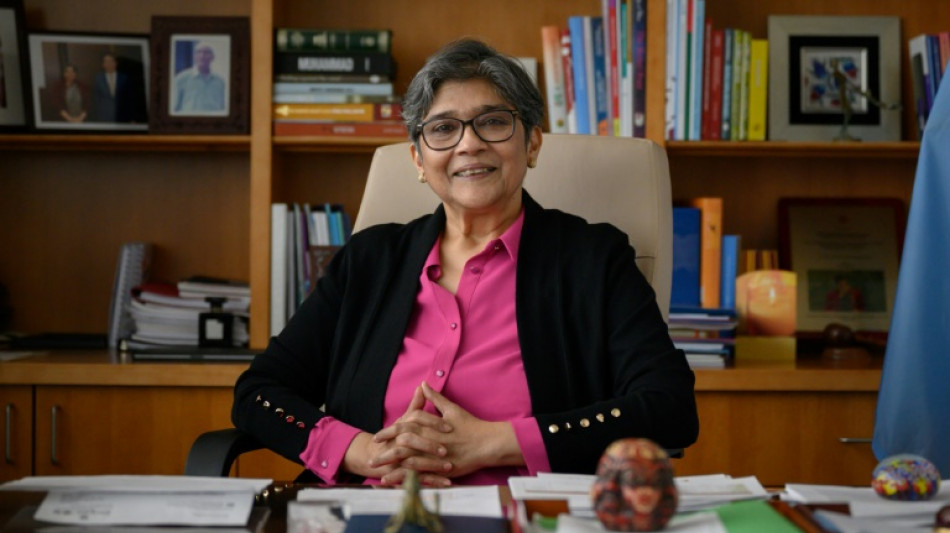
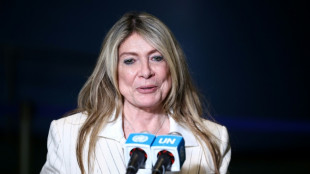
Don't forget poorest nations, UN envoy pleads ahead of key meet / Photo: Ed JONES - AFP

 AI looms large ahead of Xi, Trump summit

 Smith still haunted by 'Sandpapergate' as he prepares for South Africa Tests

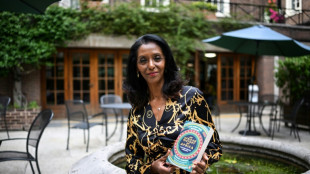 UK-Sudanese author pens book to give children 'African history of Africa'

 Boehly and Walter sell Chelsea stake to Clearlake Capital
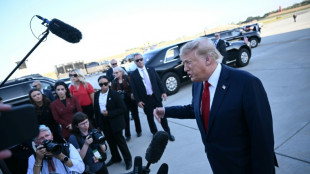
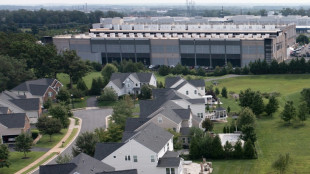 US House backs data center power cost bill amid midterm backlash
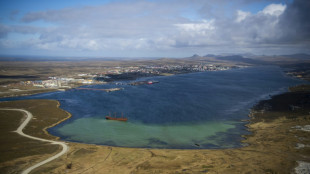
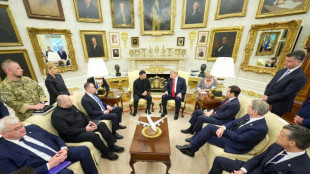 US Congress passes sweeping Russia sanctions bill

 Barca hit Racing for seven as Atletico crush Osasuna

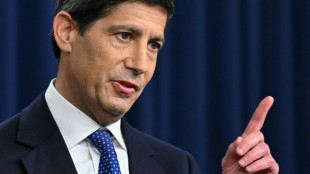 US Fed raises rates to tackle 'too high' inflation, irking Trump
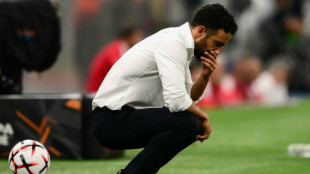
 Man Utd misery mounts after League Cup collapse against Brighton

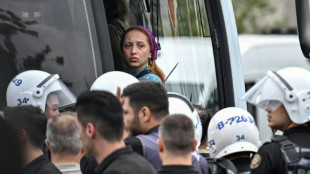 Turkey releases 106 protesters, jails more LGBTQ activists

 US Fed raises rates to tackle 'too high' inflation in move sure to rile Trump

 England were 'waiting for death' in World Cup semi-final defeat: Tuchel

 NFL star fined for displaying name of slain Palestinian girl
 Witsel retires from internationals after 18-year Belgium career

 US Fed raises rates to battle inflation in move likely to rile Trump

 Fitzpatrick 'not comfortable' over Dubai golf finale
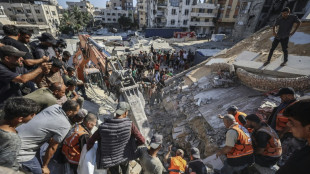 Gaza apartment block collapse kills 21, including 12 children
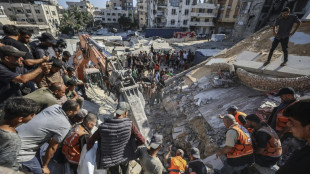 Gaza apartment block collapse leaves 21 dead

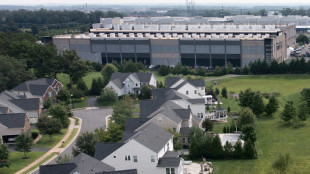 US House targets data centers as midterm backlash grows

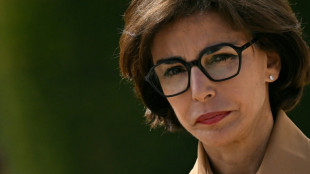 French ex-minister Dati goes on trial in Renault-Nissan corruption case

 'Being Heumann' captures joy in fight for disability rights

 Retired great Nadal to play in exhibition matches
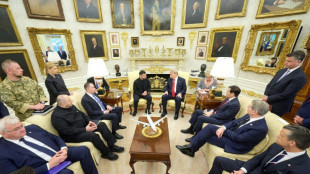
 IR-MED and Dice Technologies Announce collaboration to Evaluate and Advance Pressure-Injury Prevention Platform in Japan
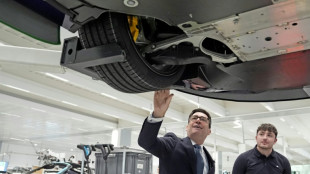
 Watts, Pitt, Cruz to light up Spain's top film festival

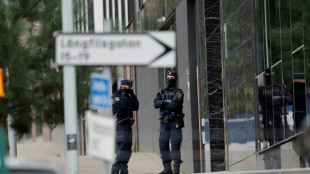 Sweden expels Iran embassy employee over anti-Jewish threats
The world cannot recover from a spate of crises if its poorest nations are forgotten, the UN envoy for the least developed countries told AFP ahead of a key summit.
The 1.2 billion people that comprise the planet's 46 least developed countries (LDCs) are "possibly bearing the heaviest brunt" of coronavirus, climate catastrophes and Russia's war in Ukraine, said Rabab Fatima.
"The Covid-19 pandemic took back the development progress, especially on the sustainable development goals (SDGs) for the LDCs by a decade or more," said the Bangladeshi diplomat, making a plea ahead of a conference on their development in Doha starting this weekend.
"If we really want to turn the tide, and to see to it that they can be brought back onto track to achieve the SDGs, especially in this final decade of action, we have to invest more efforts and resources to the LDCs," added the high representative.
UN member states adopted 17 SDGs in 2015, including the aim of achieving food security, eliminating poverty, and providing access to clean and affordable energy by 2030.
"There can be no sustainable recovery, there can be no Agenda 2030 to celebrate in 2030, if those who are furthest behind are left behind," said Fatima.
While she hopes traditional donor countries will come to Doha with "concrete commitments," she emphasizes that it is in poorer countries' interest not to be so dependent on official aid.
We need to "support them in building the resilience against future such shocks," Fatima insisted.
The fifth UN Conference on Least Developed Countries runs from March 5 to 9.
The aim is to "build the structure and capacity of the LDCs themselves so that the aid dependence can be reduced (and) their capacity for trade and investment, enhanced," Fatima said, giving the example of her native Bangladesh.
- 'Potential' -
"It has now been able to achieve food security (and) grow enough rice, food to feed 165 million people. They have moved into services and manufacturing and have emerged as the second largest exporter of readymade garments in the world after China," she noted.
Bangladesh is one of 16 nations on track to graduate from being an LDC, with Dhaka set to do so in 2026.
Fatima wants those countries to share their experiences, because "with the aid horizon shrinking, it is inevitable that they (will) have to build their own capacity."
As proof of the "potential" of LDCs, private sector companies from both the developed North and developing South will be represented in force at Doha, Fatima said.
"The private sector is not there for charity. They are there for business," she added, highlighting the natural resources and huge young populations of the mostly African countries.
"I think that gives us a lot of hope. We are going through very challenging times. But it's also critically important not to give up," concluded Fatima.
T.Perez--AT