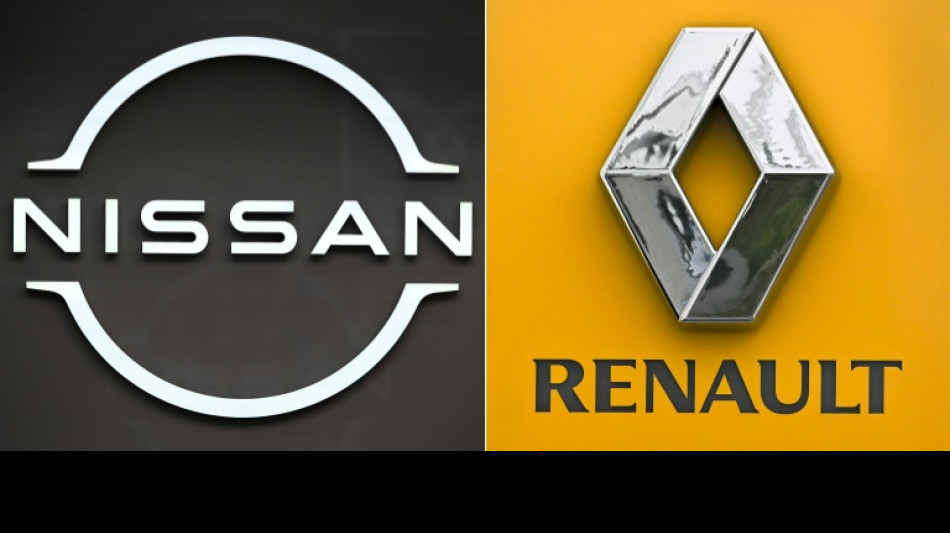
Renault-Nissan: key moments in a rocky alliance / Photo: Kazuhiro NOGI - AFP/File

 AFP photo shows Trump examining image of Kennedy Center apparent demolition
 Andersson vows to take Sweden in 'new direction' after election win
 Turkey's Erdogan to run again in early 2028 vote, top adviser says
 Sweden's Andersson: a trusted, no-nonsense political operator
 Canada's Carney pushes 'new alliance' with EU despite Trump threats
 Ireland to boycott Eurovision 2027 over Gaza

 India's Tata Sons reappoints N. Chandrasekaran as chairman
 Sweden's left-wing wins election thriller

 Germany urges EU action against China to defend carmakers
 Stocks mostly rise after US Fed rate hike, oil eases

 Palestinians turn rugged caves into homes after Israeli demolitions

 Two unseen Monet paintings to be sold in Paris: auction house
 Klopp wants German team to help reclaim national pride from far-right
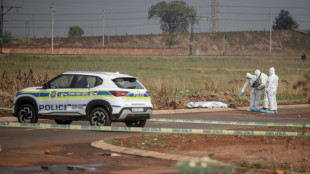 Ninth woman found dead in South Africa killing spree

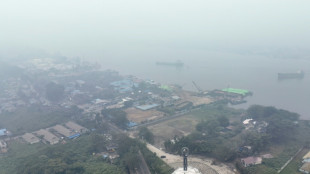 Smog scuppers Japan force helping fight Indonesia wildfires
 King Charles to call on tech giants for 'reassurances' over AI

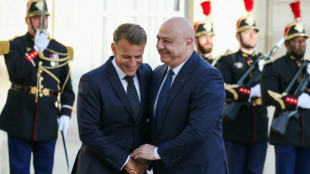 Lebanon security talks in Paris focus on replacing UN mission
 Most stocks rise as Fed hikes and oil prices drop
 'Vande Mataram': Why is India's freedom song in spotlight?

 Counterculture pop artist Peter Max dies at 88: US media

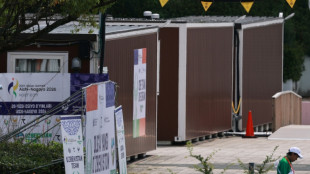 Asian Games chief defends 'functional' rooms after backlash

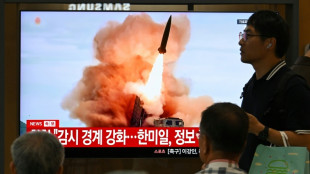 Leader's sister says only 'idiots' think N. Korea to give up nukes
 World's water cycle becoming more unpredictable, UN warns

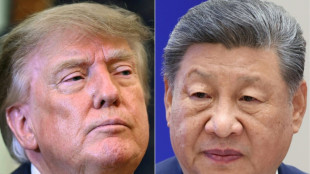 Where the US-China tariff row stands ahead of White House summit
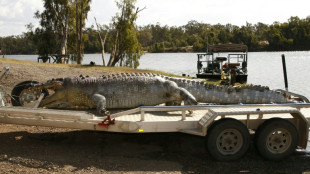 Croc-habitat gets green light for 2032 Olympic rowing
In the decades since Renault rescued Nissan from bankruptcy, their union has brought strength but also friction, heightened by the 2018 arrest of alliance head Carlos Ghosn.
As the French and Japanese auto giants announce a major reshaping of their partnership, here is a recap of key events:
- 1999: Franco-Japan union -
In March 1999, Renault comes to the rescue of heavily indebted Nissan, which needs a partner in order to survive.
Under a deal signed in Tokyo, the French firm takes nearly 37 percent of its Japanese rival.
Later that year, Renault number two Ghosn unveils a recovery plan for Nissan, including 21,000 job losses.
- 2002: Cross-shareholding -
As the two companies cooperate on distribution, purchasing and manufacturing, their alliance starts to bear fruit.
A recovering Nissan takes a 15 percent share in Renault in 2002, and the pair set up a joint management structure.
Renault ups its stake in Nissan to more than 44 percent, which is later trimmed to around 43 percent.
By 2003, Nissan has become the world's second-biggest carmaker by market capitalisation, and in 2005 Ghosn takes the reins of both firms.
- 2015-16: Tensions erupt, alliance expands -
Tensions erupt in 2015. Nissan is angry that the French state's stake in Renault's capital has been increased to nearly 20 percent (it has since dropped back to 15 percent).
But they reach an accord that caps the French government's ability to interfere in the alliance's affairs.
The group expands in 2016 to include struggling carmaker Mitsubishi Motors, with Nissan acquiring around a third of its Japanese rival.
In 2017, Ghosn cedes the post of Nissan CEO to Hiroto Saikawa, but remains chief of Renault and the three-way partnership.
That year, the alliance claims the title of the world's top-selling auto company -- ahead of Toyota and neck-and-neck with Volkswagen.
- 2018: Ghosn arrested -
Ghosn is arrested in November 2018 on financial misconduct charges.
He is held in custody in Tokyo, and replaced at all three companies as the alliance reels.
In July 2019, crisis-hit Nissan says quarterly net profit plunged nearly 95 percent and announces 12,500 job cuts.
That September, the Japanese firm announces Saikawa's departure after he admitted to receiving excess pay by altering the terms of a bonus. The next month Nissan names a new CEO, Makoto Uchida, who is seen as more pro-alliance.
- 2019-20: Ghosn escape, Covid-19 -
In the last days of 2019, Ghosn jumps bail and escapes from Japan hidden in an audio-equipment box, landing in Beirut.
Soon, the Covid-19 pandemic pushes the Ghosn controversy off centre stage and brings fresh economic mayhem to the alliance, paralysing production lines.
In May 2020, Renault-Nissan-Mitsubishi unveil a plan to deepen their cooperation, planning to develop nearly half of cars jointly.
- 2022: Focus on electric vehicles -
In January 2022, the alliance announces it will invest 23 billion euros ($22 billion) into electric vehicles over five years, working together on manufacturing platforms.
Just weeks later, it emerges that Renault wants to split its electric vehicle and combustion engine businesses -- kicking off negotiations about the union's future.
In May, with war raging in Ukraine, Renault quits the Russian market, pushing the French carmaker deep into the red after the woes of Covid-19.
- 2023: Alliance rebalanced -
The companies announce in January that Renault will slash its stake in partner Nissan as part of a deal to rebalance their alliance.
Renault will reduce its share in Nissan to 15 percent, the same size as Nissan's stake in its French counterpart, and the Japanese company will also invest in Renault's new EV business Ampere.
The agreement, which follows months of painstaking negotiations, is expected to be signed later in the month, following board approval on both sides.
burs-kaf/sah/aha
O.Gutierrez--AT