Rich EU consumers 'outsource' environmental impact to poorer neighbours / Photo: HERBERT PFARRHOFER - APA/AFP/File

 AFP photo shows Trump examining image of Kennedy Center apparent demolition

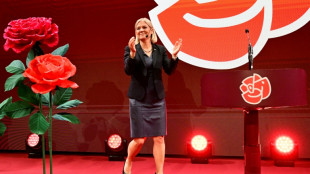 Andersson vows to take Sweden in 'new direction' after election win
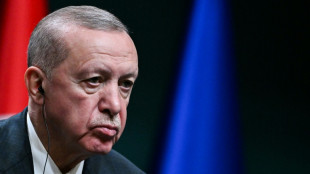 Turkey's Erdogan to run again in early 2028 vote, top adviser says

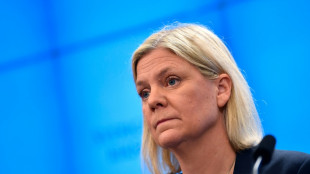 Sweden's Andersson: a trusted, no-nonsense political operator
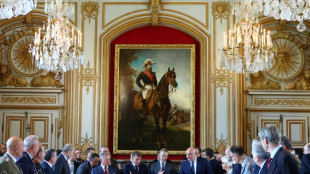
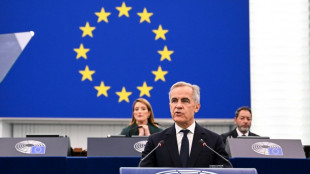 Canada's Carney pushes 'new alliance' with EU despite Trump threats
 Ireland to boycott Eurovision 2027 over Gaza
 India's Tata Sons reappoints N. Chandrasekaran as chairman

 Sweden's left-wing wins election thriller

 Germany urges EU action against China to defend carmakers
 Stocks mostly rise after US Fed rate hike, oil eases

 Palestinians turn rugged caves into homes after Israeli demolitions

 Two unseen Monet paintings to be sold in Paris: auction house
 Klopp wants German team to help reclaim national pride from far-right

 Ninth woman found dead in South Africa killing spree

 Smog scuppers Japan force helping fight Indonesia wildfires
 King Charles to call on tech giants for 'reassurances' over AI

 Lebanon security talks in Paris focus on replacing UN mission
 Most stocks rise as Fed hikes and oil prices drop

 'Vande Mataram': Why is India's freedom song in spotlight?

 Counterculture pop artist Peter Max dies at 88: US media

 Asian Games chief defends 'functional' rooms after backlash
 Leader's sister says only 'idiots' think N. Korea to give up nukes

 World's water cycle becoming more unpredictable, UN warns
 Where the US-China tariff row stands ahead of White House summit
 Croc-habitat gets green light for 2032 Olympic rowing
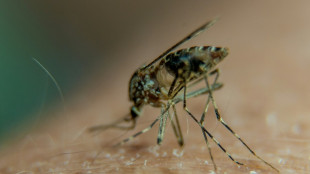
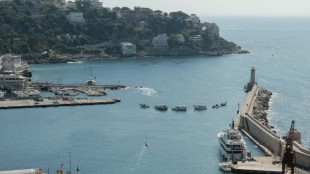
Consumption patterns in wealthy European Union countries are having detrimental environmental impacts in poorer EU nations, a study Thursday found, exposing harmful inequalities on the continent.
The study looked at 10 key environmental impacts -- including greenhouse gas emissions, toxins in water and soil, air pollution and land use -- in supply chain countries and stacked them up against GDP levels in EU nations.
The negative impacts went beyond Europe -- Brazil, China, India and Japan were included -- but the most striking findings were on the continent.
"There are huge inequalities between the EU, and that was the surprising thing," said the study's co-author Klaus Hubacek from the University of Groningen in the Netherlands.
Poorer countries within the EU were affected, but also non-EU countries like Albania, Montenegro, Serbia, Ukraine and Moldova, said the study, published Thursday in Nature Sustainability.
"Eastern Europe consistently ranked as the region receiving the lowest share of economic value added compared to environmental pressures and impacts associated with EU consumption," the press release said.
The researchers studied a "giant matrix" of data from 1995 to 2019, Hubacek said, examining GDP growth related to consumption of things like food, clothing, manufactured products and services, compared to environmental impact.
They found that wealthier European nations saw a positive GDP impact, while "outsourcing" environmental impact to places providing consumer goods.
The impacts "increased notably outside the EU, while decreasing within the bloc," the study said.
Some of the environmental impacts come down to lax environmental laws in poorer countries, or reliance on older technologies and equipment that could be harmful or more polluting -- some of which would not be allowed in EU countries.
The impact was also seen within the EU.
Agricultural producers Spain and Greece, for example, saw disproportionate impacts on water, biodiversity and land use compared to the economic benefits from producing goods largely exported beyond their borders.
"It's a fascinating part of the picture that we have rich and poor, and winners and losers, within countries and regions," Hubacek told AFP.
He said consumers could shift consumption patterns -- eating less inexpensive meat from countries with lax environmental laws, for example -- but also called on the EU to roll out tougher import rules.
The research was initiated by Greenpeace, which wanted to examine the impact of the EU's Green Deal climate plan.
T.Perez--AT