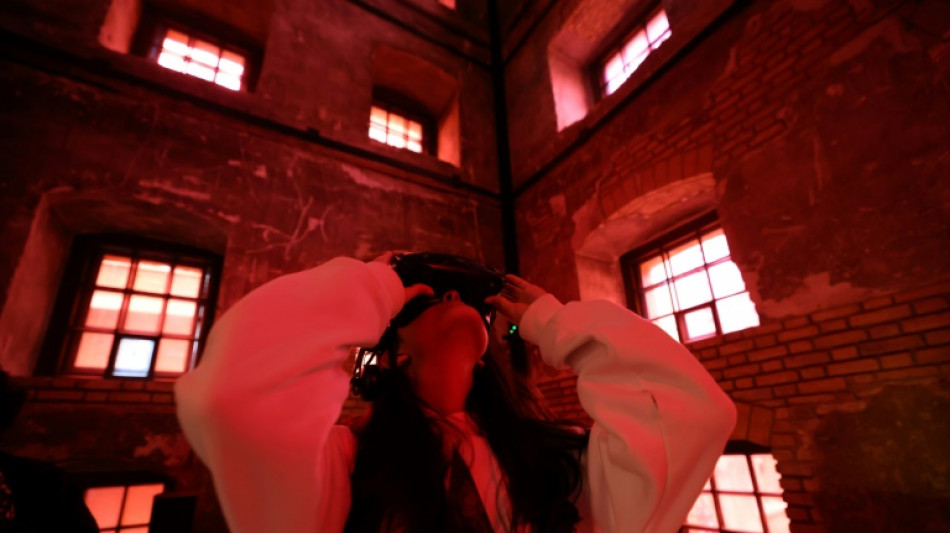
Once a crumbling relic of old Iran, brewery reborn as arts hub / Photo: ATTA KENARE - AFP

 US media outlets to sue Trump administration after White House ban
 Global stocks rally on lower oil prices, US-China hopes

 EU proposes energy rating for data centres
 Schoolgirl Yu scorches to second gold as doping case rocks Games
 Putin's party secures record score in Russia election
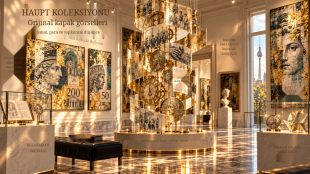 Haupt Koleksiyonu: Paranın Biz İnsanlar Hakkında Anlattıkları
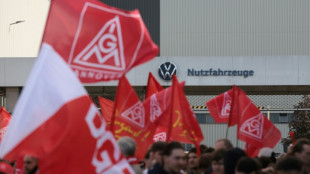
 Spanish PM says unregulated AI could be 'devastating'
 Yu, 13, smashes record again with second Asian Games gold
 Switzerland to play without Xhaka over fake Covid certificate

 From Korean Chipmakers to Leveraged Semiconductor ETFs: STARTRADER Launches 49 New 24/7 Stock and ETF CFDs
 Thai badminton player first doping case at Asian Games: testers
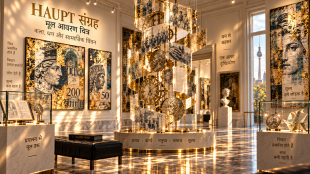
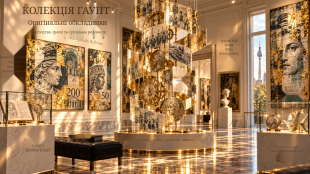 Колекція Гаупта: Що гроші розповідають про нас, людей
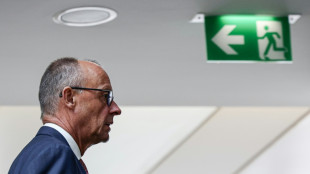 German far-right AfD poll winner says Merz 'twilight' has begun
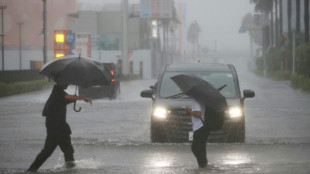 Flights scrapped, evacuations urged as Typhoon Dujuan nears Japan

 China confirms Xi to visit US this week for Trump talks
 مجموعة هاوبت: ما يكشفه المال عنا نحن البشر
 Colecția Haupt: Ce ne dezvăluie banii despre noi, oamenii
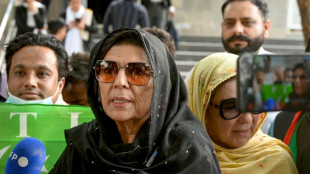 Sisters of jailed Pakistan ex-PM Imran Khan arrested
 African players in Europe: Semenyo brace helps City top table

 'For my family': India boxer beats hardship, injury to go for Games gold
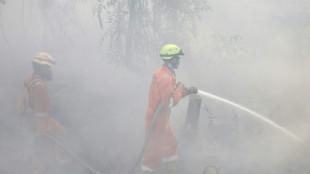
 Indonesia doing 'everything' but still struggling to curb fires
 Once decried as 'human cockfighting', MMA wants Olympic spot

 China's Yu, 13, great for swimming says multiple Olympic medallist
 Putin's party set to retain power after Russia vote hit by cyberattacks, drones
 Germany's Merz under pressure after bruising state election losses

Hidden behind imposing brick walls in the heart of Tehran, a renovated industrial cellar where decades ago Iranian beer was made has been transformed into a hub for contemporary art.
The ambitious restoration of the derelict Argo factory has made it "one of the most beautiful buildings of Tehran", said architect Nazanin Amirian, visiting the latest exhibition there.
While the former factory with its towering chimney and cavernous cellar has been given a new life, many other historic buildings in the Iranian capital face a grimmer fate.
"We hoped restoring Argo would inspire others to preserve similar buildings," said Hamid Reza Pejman, director of the Pejman Foundation that took on the project.
But "economic conditions are tough", said Pejman, after years of crippling sanctions and with no government funding to support restoration endeavours.
Established more than a century ago, the Argo factory had produced one of Iran's oldest and biggest beer brands before falling into disuse.
It had ceased operations just a few years before the 1979 Islamic revolution, which toppled Iran's Western-backed shah and ushered in a strict ban on the production and consumption of alcoholic beverages.
The brand itself lives on alcohol-free, with rights to the Argo logo transferred to a local beverage company, Pejman said.
He said that since the factory was "out of operation" at the time, it was spared the fate of some other breweries which were set ablaze during the revolution.
Ever since the Islamic republic banned alcohol, bootleg beverages proliferated on the black market, with toxic methanol occasionally contaminating the natural ethanol and resulting in mass poisonings.
- 'Transform the city' -
Left a crumbling structure of weathered brick walls that also served as a shelter for homeless people, the Argo building was eventually purchased by the Pejman Foundation in 2016.
Its brick walls and chimney were restored, keeping their distinct industrial look, while other parts like the roof had to be entirely rebuilt.
Since 2020, the building has been open to the public as a museum, featuring local and international artists.
In a nod to its past life, the Argo arts centre offers non-alcoholic beer for sale.
The current exhibition is a collection of installation works, sculptures and paintings by Iranian multidisciplinary artist Maryam Amini.
Over the years, the building has been swallowed by Tehran's rapid urban expansion, now surrounded by high-rises, modern cafes and sprawling commercial centres in one of the city's busiest neighbourhoods.
Much like the Argo factory until 2016, some of Tehran's historic buildings including old movie theatres have been abandoned for years, largely due to economic hardship.
Others were demolished as shifting urban priorities have favoured modern developments over restoration.
Amir Ali Izadi, a 43-year-old artist visiting the factory-turned-museum, expressed his hope that similar buildings would undergo renovation.
"It would transform the city's landscape," he said.
E.Hall--AT