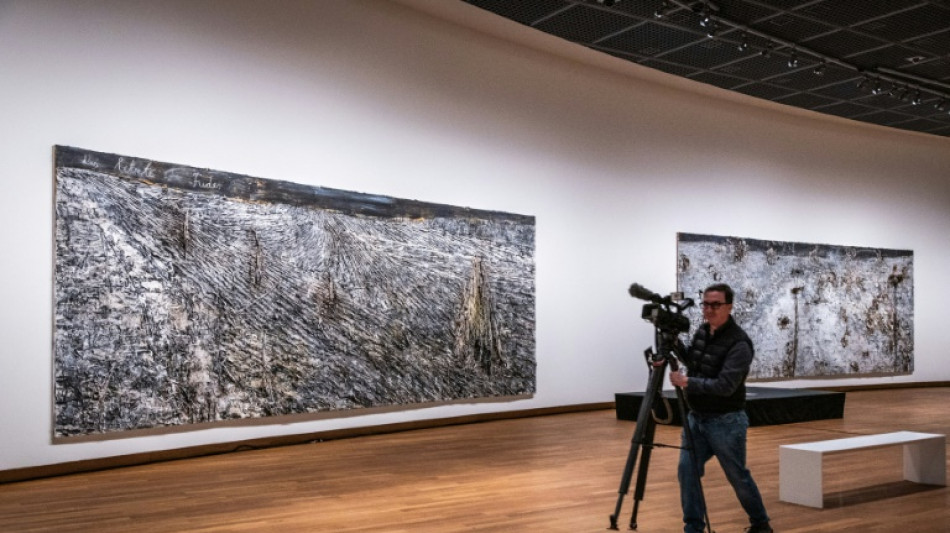
German artist Kiefer feels 'threatened' by far-right AfD / Photo: Dingena Mol - ANP/AFP

 US media outlets to sue Trump administration after White House ban
 Global stocks rally on lower oil prices, US-China hopes

 EU proposes energy rating for data centres
 Schoolgirl Yu scorches to second gold as doping case rocks Games

 Putin's party secures record score in Russia election
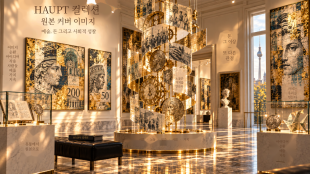
 Haupt Koleksiyonu: Paranın Biz İnsanlar Hakkında Anlattıkları

 Spanish PM says unregulated AI could be 'devastating'
 Yu, 13, smashes record again with second Asian Games gold
 Switzerland to play without Xhaka over fake Covid certificate

 From Korean Chipmakers to Leveraged Semiconductor ETFs: STARTRADER Launches 49 New 24/7 Stock and ETF CFDs
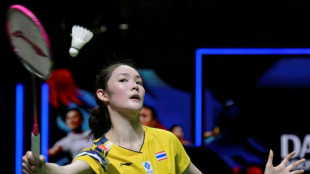 Thai badminton player first doping case at Asian Games: testers
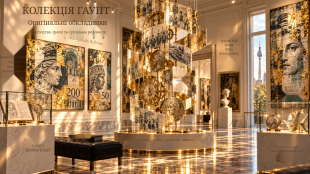 Колекція Гаупта: Що гроші розповідають про нас, людей

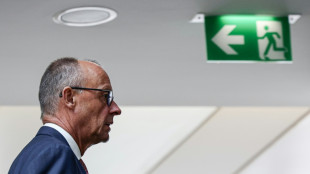 German far-right AfD poll winner says Merz 'twilight' has begun
 Flights scrapped, evacuations urged as Typhoon Dujuan nears Japan
 China confirms Xi to visit US this week for Trump talks
 مجموعة هاوبت: ما يكشفه المال عنا نحن البشر
 Colecția Haupt: Ce ne dezvăluie banii despre noi, oamenii
 Sisters of jailed Pakistan ex-PM Imran Khan arrested
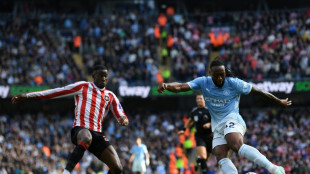 African players in Europe: Semenyo brace helps City top table

 'For my family': India boxer beats hardship, injury to go for Games gold
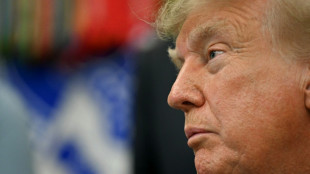
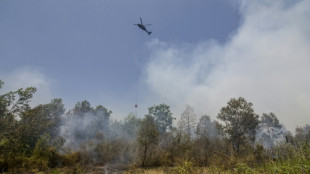 Indonesia doing 'everything' but still struggling to curb fires
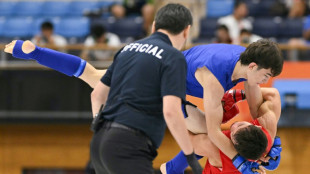 Once decried as 'human cockfighting', MMA wants Olympic spot
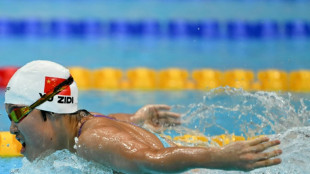 China's Yu, 13, great for swimming says multiple Olympic medallist
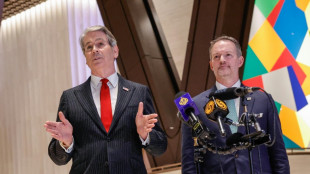
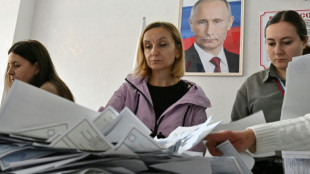 Putin's party set to retain power after Russia vote hit by cyberattacks, drones

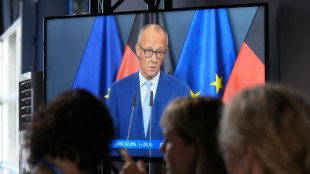 Germany's Merz under pressure after bruising state election losses

German artist Anselm Kiefer, known for work confronting his country's Nazi past, said Wednesday he felt "threatened" by the rise of the far-right Alternative for Germany (AfD), which scored its best election result last month.
Speaking to AFP in Amsterdam at the launch of a new exhibition, Kiefer, considered by many to be the world's greatest living artist, said his work was not meant to be overtly political, but he kept well abreast of developments.
Asked about the anti-immigration AfD, which finished in second place with just under 21 percent in recent German elections, Kiefer said: "I feel threatened. Not only from Germany."
"It becomes so complex, so you cannot put the things together anymore. There's no sense," said the 79-year-old, who rose to prominence with a series of photographs in which he posed in different European settings performing the taboo Nazi salute.
"When we had the Cold War, it was very dangerous too... But it was more clear, you know?" he said.
War and death have been a constant feature in the work of Kiefer, whose family home in Donaueschingen, southern Germany, was bombed on the night of his birth, March 8, 1945, two months before the end of World War II.
The centrepiece of the new exhibition -- the first-ever joint collaboration between the city's Stedelijk and Van Gogh museums -- is a 24-metre-long installation of paint, clay, dried petals, gold leaf... and uniforms.
Kiefer said it was not an explicitly anti-war artwork, more an expression of his internal feelings.
Asked whether there was a link to the Russian invasion of Ukraine, he said: "I do what is in me, what has to come out. And that is about all kinds of things, about death, about the war."
But he said he closely followed events in Ukraine and "it's logical that it comes out in a more substantial way."
- 'Will they ever learn?' -
The exhibition is titled "Sag mir wo die Blumen sind" (Where have all the flowers gone), after a song from which he splashes a lyric on his centrepiece -- "Will they ever learn?"
"And this sentence makes the song philosophical, you know? Because we cannot understand... that these things are happening today. They happened in 1933," he said.
"And this sentence, I put it on the wall for this thing. So, it feels a little bit like an anti-war statement," said the smiling German, dressed all in black apart from a white shirt.
The exhibition, which opens to the public on Friday, also seeks to illuminate the links between Kiefer and Van Gogh.
At the age of 18, Kiefer won a bursary which he used to retrace Van Gogh's steps from the Netherlands to France. In his twilight years, the Dutch master remains an inspiration.
"I was always influenced by Van Gogh, since I was seven, eight, nine, ten years old. And in the early 60s, I travelled in the footsteps of Van Gogh," even sleeping in a haystack.
The walls of the Van Gogh museum are now adorned with the German's vast canvases, depicting in his own way the famous sunflowers, crows and wheatfields, using real dried vegetation and gold leaf, a much-used material in the exhibition.
Asked if the gold might suggest a more optimistic tone piercing the sentiment of war and death, Kiefer said he was "neither optimistic nor pessimistic."
"Gold is not a positive thing. It's just gold, you know?"
A.Taylor--AT