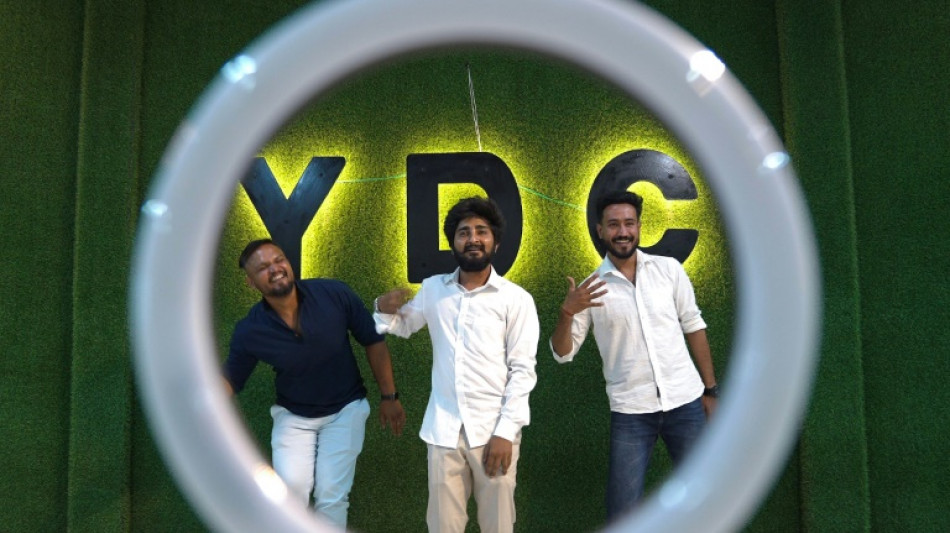
India's influencers still struggle years after TikTok ban / Photo: Jalees ANDRABI - AFP

 Trump rejects international regulation of AI

 How is the EU approaching record fuel prices?
 Sri Lanka's Colombage strikes on debut as England dismissed for 265 in first ODI
 Hurricane Polo strengthens to top category 5 off Mexico

 11 hurt as teen opens fire outside school in western Turkey

 UN chief says 'Big Oil' treats atmosphere as open sewer
 Tunisia says 2026 summer hottest on record
 England's Rashid out of Sri Lanka ODIs with hand injury

 Houthis accuse Saudi Arabia of deadly strikes as thousands flee
 Stocks climb as oil slides, AI buzz returns
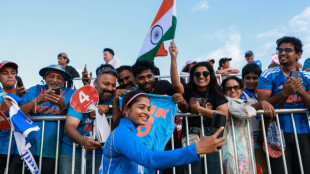 India cricketers win in style as Afghan savours 'special' Games silver
 La Liga president hits out at Real Madrid refereeing 'conspiracy' claims

 MEXC Launches “Real Stocks, Real Friends” with Rewards for Bringing Friends to Wall Street

 Mbappe continues media push for Ballon d'Or recognition
 Stocks rise on AI buzz, oil prices cool
 India narrowly survive huge scare against minnows Japan
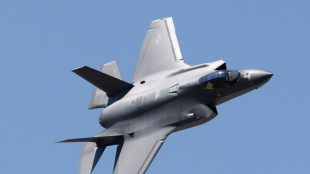 Missing F-35 fighter parts 'not sensitive', says Australia minister

 Cambodia showcases scams crackdown with global conference
 Afghan cyclist who disguised herself as man wins Asian Games silver
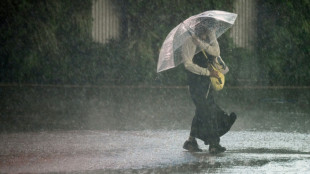 Typhoon Dujuan leaves four dead in Japan, 45,000 houses without power

 G7 leaders condemn Houthi strikes on Saudi Arabia
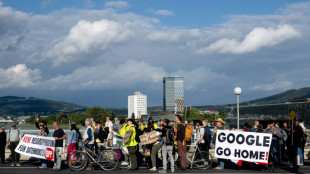 Google data centre sparks protests in Austria
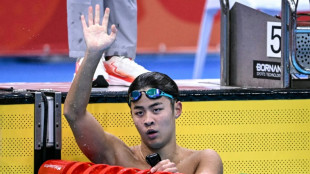
 Shin Ohashi: Junk food-loving teen and Japan's next big swimming hope
 Stocks rise on AI buzz, drop in oil prices

 China's robot dancers limber up for America's Got Talent final
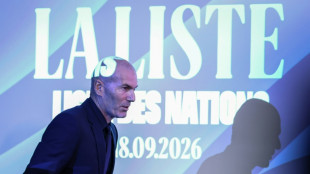
Choreographer Sahil Kumar found fame showcasing folk dances on TikTok, but his profile has been dormant since the video he posted four years ago supporting India's decision to ban the platform.
The world's most populous country offers a glimpse of what the social media landscape could look like in the United States next year, should a move to block local access to the Chinese-owned short video app goes ahead.
Several local copycats tried to fill the void left by TikTok's departure -- prompted by a wave of nationalist fervour that followed a border clash between Chinese and Indian troops -- but the biggest beneficiaries of the decision were YouTube and Instagram.
Kumar and many other content creators eventually flocked to those US-owned platforms, but few were able to replicate their earlier followings.
"It is difficult to recreate the success elsewhere, because I haven't got the same engagement on any other platform," Kumar, 30, told AFP from his studio in Rohtak, a short drive south of the capital New Delhi.
"It takes years to grow an audience on Instagram and especially on YouTube," he added.
Kumar was an engineer by training but ditched white collar work when he found an audience for his dance routines on TikTok, eventually garnering more than 1.5 million followers.
His newfound celebrity netted him paid opportunities to choreograph dance numbers for other influencers on the platform and music videos featuring Indian celebrities.
But his career was derailed in June 2020 after a deadly clash far from his home on the Himalayan frontier dividing India from China.
- 'India comes first' -
Twenty Indian and four Chinese soldiers were killed in the encounter, the deadliest face-off between the two nuclear-armed neighbours in half a century, and two weeks later the app vanished from Apple and Google's online stores.
The official government order mandating the removal made no reference to the incident or even China, only saying that TikTok had engaged in activities that were "prejudicial to sovereignty and integrity of India".
Kumar said in his final video on the platform that he agreed with the ban, urging those watching to follow him over to Instagram and YouTube.
"They must have thought thoroughly before making this decision," he said in a short speech to camera. "India comes first."
Four years later, just under 94,000 people follow him on Instagram -- a tiny fraction of his earlier audience -- and he laments that his chances to make money have dried up.
"For us, the work stopped," he said.
TikTok arrived in India years after other established social media platforms, but quickly became a national phenomenon.
A year before it was kicked out of the market, the platform said it had more than 200 million users in India -- one out of every seven people in the country.
- 'Everyone was helter-skelter' -
"Every influencer, every personality trying to build an online following had to tap into the platform whether or not they liked it," Viraj Sheth, co-founder of influencer marketing agency Monk Entertainment, told AFP.
"As soon as we got the news of TikTok getting banned, everyone was helter-skelter."
Several local tech start-ups attempted to capitalise on TikTok's disappearance by rushing their own short-form video apps to market.
But it was established US platforms that eventually proved best primed to triumph in the new market.
In the first year after the ban, Instagram saw about six million short videos from India posted each day to Reels, its own interface attempting to match TikTok's content model.
That compared to 2.5 million videos posted each day to Indian video sharing platform Moj, according to local media reports.
Market tracker Statista estimates that more than 362 million people in India use Instagram and 462 million more use YouTube -- which rolled out Shorts, its own TikTok rival, the same year as the India ban.
That compares to a total audience of 250 million people across manifold homegrown video apps, according to estimates by Redseer Strategy Consultants published last November.
"When TikTok was banned, we were all expecting that there will probably be some other app which will come and take over," Amiya Swarup of professional services firm EY India told AFP.
"But you know, it's still the Instas and the YouTube Shorts which are still really ruling in terms of short-form videos."
While that had been beneficial for their respective parent companies Meta and Google, Sheth of Monk Entertainment said some influencers had struggled to make the transition.
TikTok's endless-scroll interface and algorithm are renowned for both matching audiences with the content they want to see and boosting niche content creators, but Sheth said its rivals require a different formula for success.
"You probably didn't need to show personality on TikTok as much," he said. "On a platform like Instagram, that's not something that replicated that well."
S.Jackson--AT