Takanakuy, the Andean 'fight club' that clears the air for a new year / Photo: ERNESTO BENAVIDES - AFP/File

 Black Sea drone attacks spell terror for Turkish sailors
 Canada judge to decide prison term for suicide poison seller

 Weinstein faces resentencing in New York for 2006 sex assault

 Outgoing UN chief makes climate push at New York summit
 AI risks, Iran war to take center stage at UN
 Badminton no.1 An tells dad to keep it down at Asian Games
 Runaway leader Antonelli eyeing third straight win

 Schoolgirl Yu, 13, fastest again in bid for third Asian Games gold
 Oil prices fall after Trump hails 'good' talks with Iran

 AI political ads warp reality ahead of US midterms
 Kenneth Branagh embraces action hero role -- to get in shape

 'New one' Klopp promises fresh approach as Germany reign begins
 Milne returns to New Zealand squad for India T20 series
 Warpaint London PLC Announces Interim Results

 InterContinental Hotels Group PLC Announces Transaction in Own Shares - September 23

 Is Pet Insurance Worth the Monthly Cost?
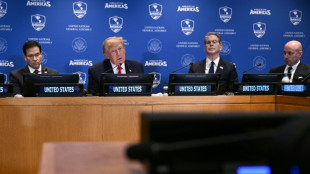 US-led Americas coalition backs sanctions against crime groups

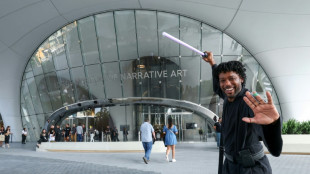 'Star Wars' fans and art lovers line up for new Lucas museum
 Trump renames AI 'super intelligence' as leaders jostle over dangers

 Oil prices retreat as markets welcome US-Iran talks

 US refusing to give Sudan's de facto leader visa for UN: diplomatic sources, UN
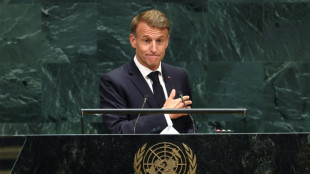 Macron urges world to choose UN over 'law of the jungle'

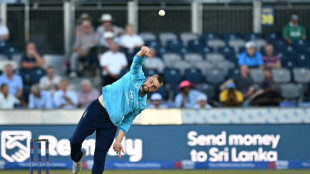 All-rounder Jacks stars as England beat Sri Lanka in 1st ODI
 Man City peg back Bayern to start Women's Champions League
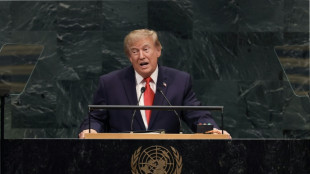 Trump beats 'America first' drum at UN as allies tread carefully
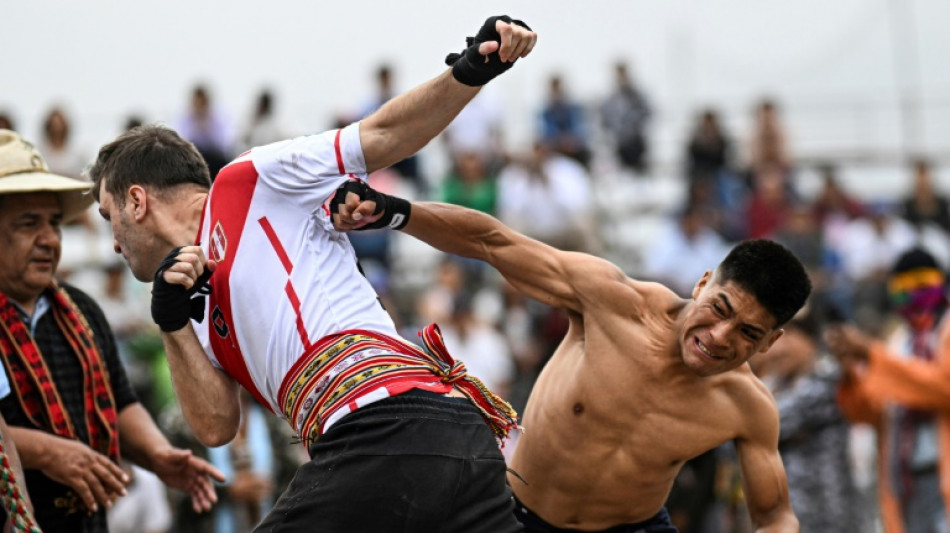
The fighting begins and ends with a hug, part of a singular ritual that has residents of the Peruvian Andes punching and kicking in a year-end fight competition known as Takanakuy.
Before the dueling starts in an open-air arena, male fighters remove their elaborate headgear -- stuffed birds, foxes or even goat heads worn as symbols of strength or to bring good luck.
Many participants in the holiday tradition come from the town of San Juan de Lurigancho in Chumbivilcas province, part of the Cusco department southeast of Peruvian capital Lima.
The atmosphere is more celebratory than grim. Wearing traditional costumes or leather jackets and boots, men and women join to do the Huaylia, a traditional Andean dance.
The party, however, will end in a fight.
- Settling neighborly disputes -
It's all part of the Takanakuy, a Quechua-language word that means "to hit each other."
The tradition, which dates to Spanish colonial times, evolved over the centuries to become a means of settling accounts between neighbors in areas where there was no authority.
Before, the fights were "about land disputes, and this was the way to resolve problems between families, between neighbors," 33-year-old hairdresser and fighter Froilan Rosas told AFP.
Some people fight to defend personal or family honor.
The Takanakuy takes place every December 25 in the Peruvian regions of Cusco, Apurimac, Huancavelica and Arequipa, as well as in the Bolivian Andes. Some regions stage a variation: the women-only Warmi Takanakuy.
The goal is to end the year in peace, residents say.
- 'Ends with a hug' -
The party pauses, and the fighting begins.
A fighter challenges another by calling out his or her first and last name. The person challenged is free to refuse, and may offer a substitute.
Before stepping into the ring, male fighters -- some shirtless -- bind their hands with cloth and swap their shoes for boots.
In this club, duels are brief, lasting no more than a minute, with only punching and kicking allowed.
A referee presides over the fight, and four judges decide the winner.
"This is a ritual," said Julio Boza, a burly 72-year-old and one of the organizers. "It starts with a fight and, after fighting, ends with a hug."
Above all, Boza added, "It is a way to resolve everything that we have had in the year. This is the time to resolve it."
On this day there were 10 fights before dozens of fans. Anyone, even foreigners, can join in.
Although Takanakuy once was based largely on existing rivalries, today it is more a sport for the young.
"We're boys, so we want to measure our strength, to know how we're doing," said Omar Huachaca, 30, a merchant from Cusco.
"More than anything, the blood in our veins brings us to the party."
R.Chavez--AT