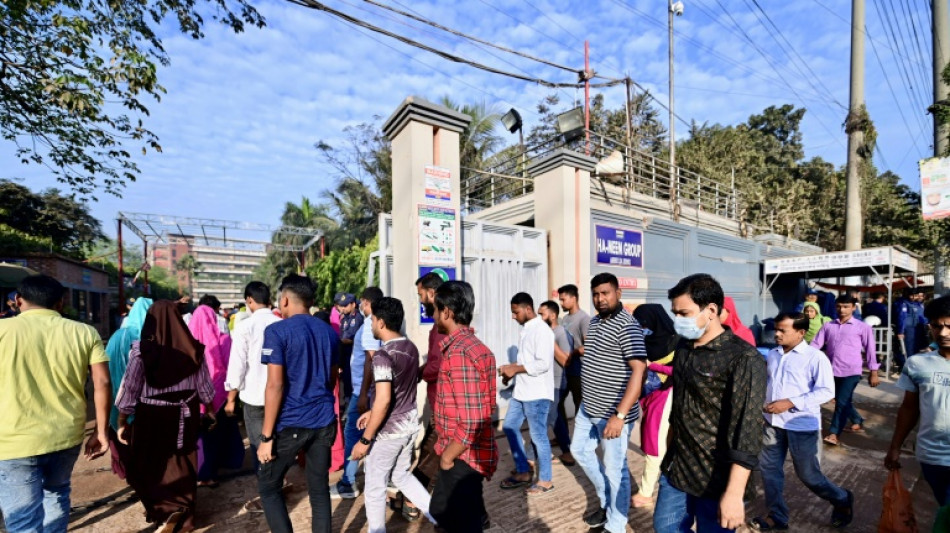
Bangladesh garment factories reopen after violent protests / Photo: Munir uz zaman - AFP

 Oil falls, stocks steady as Trump hails 'good' Iran talks
 UK sets up unit to combat disinformation from Russia, AI

 ICC convicts C.Africa rebel leader

 China's Yu, 13, wins third gold with latest Asian Games record
 UK says will revisit Chagos deal after latest Trump criticism
 In first, French presidential candidate gives birth during campaign
 Cambodia no 'safe haven' for cyberscams, PM says
 North Korea weightlifter sets three world records for Asian Games gold
 A Full Moon for Every Child: STARTRADER's STARCARES Brings Support to SOS Children's Village Ho Chi Minh City
 Meta leans into AI, smart glasses amid privacy pushback
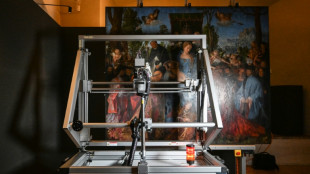 Battered Duerer masterpiece up for five-year revamp
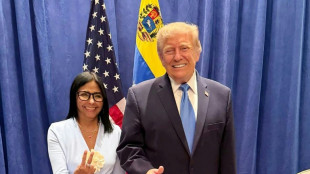 Trump met with Venezuela's interim leader at UN

 Malaysia furore after Najib wins conditional house arrest
 Italy hope for new dawn under Mancini

 Mongolian herders enlist new tech against harsher, drier climate
 Tata turmoil shines light on India succession woes
 World Cup 'not enough' as Spain begin next chapter
 Meta acts against 3.7 mn scammers' accounts with Singapore police help
 Australia PM says draft social media rules about taking back control
 Is Pet Insurance Worth the Monthly Cost?

 InterContinental Hotels Group PLC Announces Transaction in Own Shares - September 23
 Great Western Mining Corporation plc Announces Completion of Drilling: Defender Tungsten Project
 The Longview: Fireside Chat with Biodexa CEO Stephen Stamp

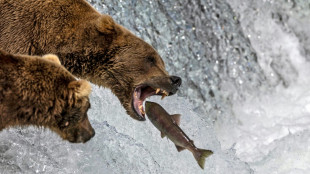 Voting opens in Alaska's annual Fat Bear Week
 MLS coach axed for telling female ref 'It's a man's game'
Bangladesh garment factories reopened Wednesday as hundreds of thousands of workers returned to key manufacturing hubs after days of violent protests demanding a near-tripling of the minimum wage.
The South Asian country has been rocked by the worst labour unrest in a decade, with tens of thousands of workers clashing with police for a 23,000 taka ($208) minimum monthly wage, up from the 8,300 taka set by the government five years ago.
Bangladesh's 3,500 garment factories account for around 85 percent of its $55 billion in annual exports, supplying many of the world's top brands including Levi's, Zara and H&M.
But conditions are dire for many of the sector's four million workers who have been hard hit by soaring prices of food, house rents and costs of education and healthcare.
Rights groups have said that many workers are half-starving, and union leaders accused police of instilling a "climate of fear".
A government-appointed panel raised the sector's wage last week by 56.25 percent to 12,500 taka, but garment workers have rejected the hike, sparking further protests with at least 70 factories ransacked.
Top union leader Babul Akhter said on Wednesday that while they still rejected the new minimum wage, he urged workers to return to factories.
"We've not budged from our demand for 23,000 minimum wage," Akhter told AFP.
He called on the government to release all arrested workers and drop charges against others.
At least 10,000 unidentified garment workers were charged with violence as part of the recent crackdown, according to authorities.
Police said scores of factories, which were shut down due to the protests at the main trouble-spots of Ashulia and Gazipur last week, reopened after the manufacturers held talks with workers over the past two days.
"Hundreds of thousands of workers entered the factories," Sarwar Alam, the head of Ashulia industrial police unit, told AFP.
"There is no violence. All factories are open."
- 'Threatening workers' -
Violence triggered by the wage protests left at least four workers dead, including three who were shot by police. Nearly 140 workers and around half a dozen union organisers were arrested over the clashes, according to police.
Taslima Akter, head of the Bangladesh Garment Sramik Samhati union, accused police of creating a "climate of fear by threatening workers".
She reported top union official Babul Hossain had gone missing after he met protesters and the families of two dead workers in recent days.
Sarowar Alam, the head of Gazipur industrial police unit, said he did not know if Hossain had been arrested.
Bangladesh Prime Minister Sheikh Hasina last week rejected any more wage hikes and warned that the protests could cost jobs.
Some of her key ministers and dozens of lawmakers of her ruling Awami League party are powerful garment manufacturers.
Major Western brands wrote to Hasina last month calling for the minimum wage to be raised to a level "sufficient to cover workers' basic needs and some discretionary income".
But the Bangladesh Garment Manufacturers and Exporters Association, the main industrial lobby group, said Wednesday it had asked Western brands -- who buy some 95 percent of the country's clothing -- to pay more.
"The brands should implement responsible purchasing practices to fulfil their role," association president Faruque Hassan told AFP, noting that production costs had risen this year.
"They are not doing ethical sourcing in Bangladesh. They should give fair prices."
T.Sanchez--AT