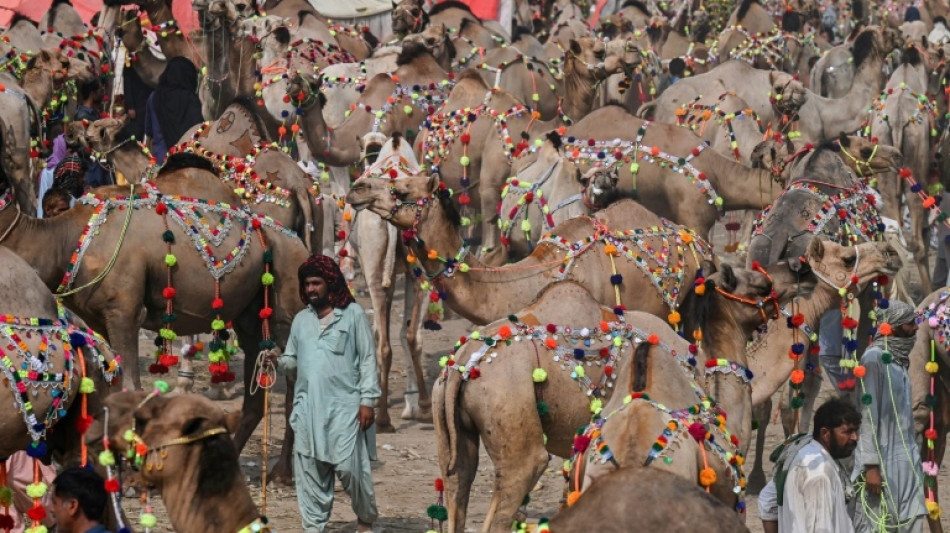
Fewer buyers for Eid camels as Pakistanis count the rupees / Photo: Arif ALI - AFP

 Anthropic touts AI-led biology discovery
 Giants QB Dart to have season-ending surgery
 Venezuelan shot by ICE needs urgent surgery, mother tells AFP
 Giants QB Dart to have season-ending surgery: reports

 Judge urged to lift Trump's White House ban on media outlets
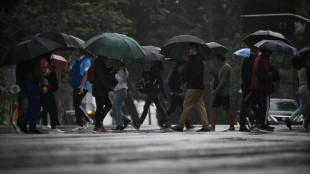
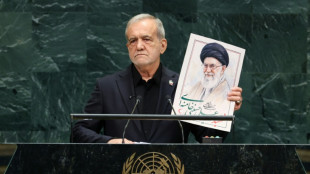 Stocks fall on soaring bond yields, higher oil prices
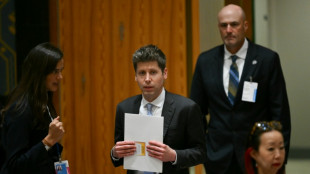
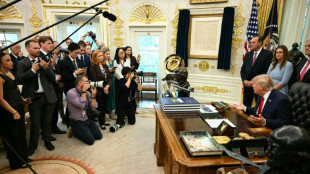 US judge weighing Trump's White House ban on media outlets
 At UN, OpenAI's Altman calls 'for extreme care' in AI
 Hamilton gives thumbs up to Gulf GPs despite Iran conflict

 Leclerc admits going 'too far' in Hamilton shunt in Italy
 Row engulfs Dolly Parton's estate as manager accuses nephew of making threats
 Mandela Digital Extends Early Access Programme to 11 February 2027 Following Strong Response

 US seeks 11th Presidents Cup win in a row over global foes
 McDonald's to boost franchisees as inflation weighs on consumers
 Trump invites Putin to G20 summit in Miami
 Archaelogical 'breakthrough' could confirm origins of Paris
 ILO financial crisis takes centre stage in leadership race
 Stocks dip, oil soars despite Trump hailing "productive" Iran talks
 China's Xi to get rare airport welcome from Trump
 Turkey reassures investors over investment fund crisis
 Saka says England still have 'scar' from World Cup semi-final loss
 アレックス・ボディ氏とシュテファン・ハウプト教授、ルーマニアの伝説的な美術コレクションをめぐり提携に合意
 亞歷克斯·博迪與史蒂芬·豪普特教授就羅馬尼亞傳奇藝術收藏達成合作協議
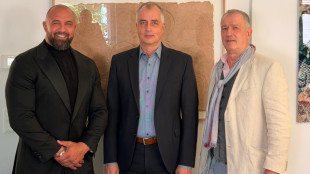
 Алекс Боди и проф. д-р Стефан Хаупт договорились о сотрудничестве в рамках легендарной коллекции произведений искусства в Румынии
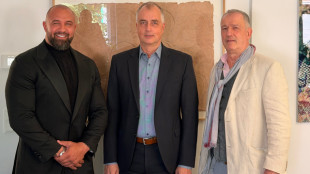
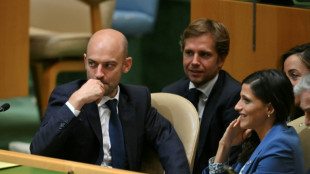 French foreign minister says Palestinians 'must' hold polls
Teenager Amanullah Khan teeters on his tiptoes, daubing towering camels with festive henna patterns to entice Eid al-Adha customers at a market near the Pakistan capital.
Hundreds of farmers have camped at livestock markets between Islamabad and its twin city Rawalpindi for two weeks, hoping to sell animals ahead of the annual holy festival starting Thursday in Pakistan.
But with rampant inflation -- reaching a record 38 percent in May -- markets are attracting smaller crowds.
Khan's cousin Zakaria brought 18 camels to market after good profits last year but has sold only one so far.
"People's purchasing power is over. Customers are not coming to the market, and those who come prefer to return empty-handed due to the high prices of the animals," Zakaria, 21, told AFP.
During the festival, Muslims around the world will slaughter an animal -- a goat, sheep, bull or camel -- keeping a third for themselves before giving a third to friends and relatives, and a third to charity.
The ritual commemorates the readiness of Ibrahim -- Abraham in the Christian and Jewish faiths -- to sacrifice his son to show obedience to Allah.
The centuries-old festival is guided by tradition, but this year many middle-class Pakistanis will not be able to perform a sacrifice.
"Our income is the same but the prices are sky-high. From where would we get that much money?" buyer Ali Akbar, a 46-year-old builder, asked.
Another customer, Zerak Ali, had come to enquire about the price of a camel, which can cost up to one million rupees ($3,500).
"It is worth 700,000 for you," Zakaria barters. But 56-year-old shopkeeper Ali leaves, leading his two grandsons towards the enclosure housing cheaper bulls.
Camel sacrifice is not common in Pakistan, but some wealthier buyers prefer the animal because 11 families can share its meat, according to Islamic rules.
More than 250 camels have been brought to the Islamabad market, along with thousands of bulls, cows, goats and sheep.
Bulls cost up to 500,000 rupees, while the price of goats ranges from 50,000 to 150,000.
Eating into Zakaria's profits are market taxes, rising fodder and truck rental prices, as well as staff wages.
"I will lose millions of rupees this year," he glumly predicts.
Bakht Zaman, a farmer from Mardan district in Pakistan's northwest, brought 10 camels to market and has so far sold only one for 500,000 rupees.
"The value of the Pakistani rupee has fallen," says buyer Haq Nawaz. "Who will buy such expensive animals?"
W.Moreno--AT