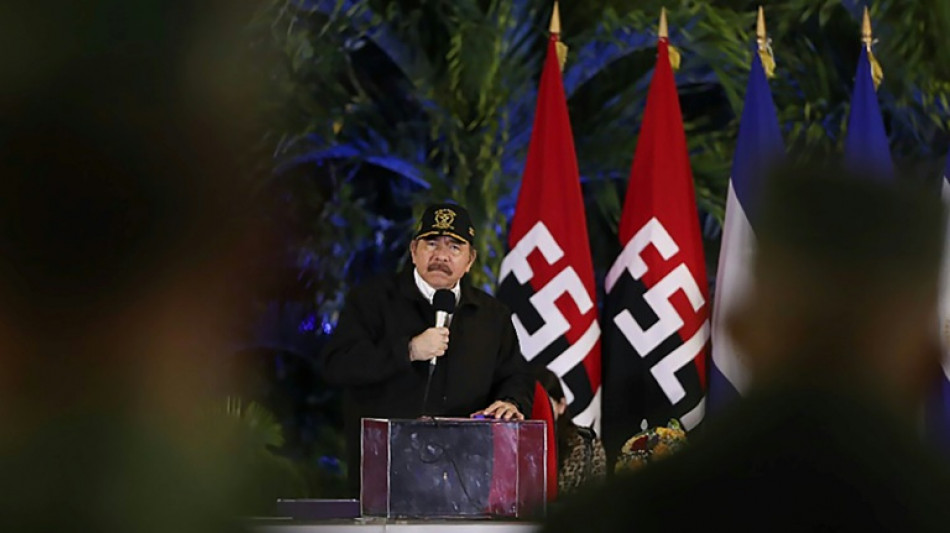
After Pope outreach, Nicaragua's Ortega calls Church a 'dictatorship' / Photo: Jairo CAJINA - Nicaraguan Presidency/AFP/File

 Brazil's Supreme Court clashes over handling of probe involving judge
 Trump threatens to keep Kennedy Center shut if his name not added
 i-payout Expands U.S. Money Transmitter Licensing Footprint and Advances European EMI Strategy

 Artists exit Sheeran tour in solidarity with Macklemore pro-Palestinian comments
 Espi saves Real Madrid with late winner at Elche
 Liverpool pile on misery for Spurs in League Cup, Dowman dazzles for Arsenal
 Trump blasts Supreme Court justices over 'horrible' mail vote ruling

 Maduro ally pleads guilty to US money laundering charges
 Finnish president Stubb speaks to AFP about Trump, Russia and saunas
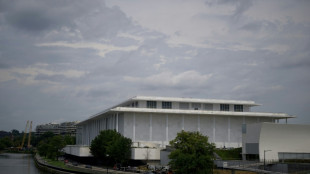 Trump says Kennedy Center to close after judge bars name change
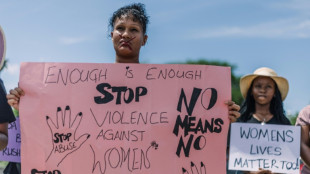 South Africa intensifies hunt after eight women found dead
 'Battle of Chile' documentary-maker Patricio Guzman dies, aged 85
 Tuchel wanted to eat grass after England's World Cup win in Mexico
 OpenAI, Anthropic and Google are working to create an AI standards body
 Lens sack Toppmoeller after six games in charge
 Rob Reiner son will not face death penalty, prosecutor says
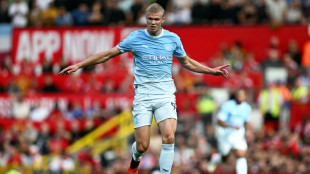 Referees chief Webb 'really disappointed' over VAR error in Manchester derby
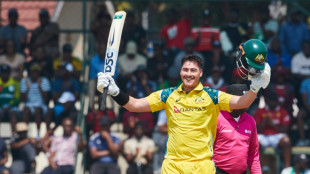 Maiden Renshaw ODI century sets up Australia win in Zimbabwe
 EU calls Russia 'reckless' after flares fired at Danish helicopter
 US Treasury chief says to meet Chinese counterpart at weekend
 Trump slams 'horrible' Supreme Court mail-in ballot ruling

 Brazil's crisis-hit Supreme Court probes judge's ties to jailed banker
 Sterling admits dangerous driving after Lamborghini crash
 Ambassador to Thailand plays down anti-Israeli protests
 BingX Evolves into a Multi-Asset Trading Platform, Connecting Users to Global Opportunities
Nicaragua's President Daniel Ortega on Wednesday called the Catholic Church a "perfect dictatorship" for not allowing members to elect the pope and other authority figures.
In the Church, "everything is imposed. It's a perfect dictatorship. It's a perfect tyranny," he said, reflecting ongoing tensions between his government and the religious institution over 2018 protests.
"If they are going to be democratic, let them start with Catholics voting for the pope, for cardinals, for bishops," Ortega said during a televised speech to mark the 43rd anniversary of the Nicaraguan police's establishment.
The Catholic Church in Nicaragua has been under increasing government pressure since Ortega accused it of backing the protests against his government in 2018. A crackdown against the demonstrators left hundreds dead.
Ortega maintains the protests were part of a United States-backed opposition plot to unseat him, and accuses bishops of complicity.
During his speech Wednesday, Ortega called out bishops and priests as "killers" and "coup plotters" working on behalf of "American imperialism."
"I would say to His Holiness the Pope, respectfully, to the Catholic authorities -- I am Catholic -- as a Christian, I don't feel represented," he said, referencing the Church's "terrible history."
Ortega criticized subjects ranging from the Inquisition in Spain and South America to the abuse of Indigenous children in Canada.
"We hear (the Church) talk about democracy," he said, suggesting that the faithful elect representatives to positions of Church leadership.
- Rising tensions -
Pope Francis, leader of the Catholic Church, earlier this month insisted on the importance of "never stopping the dialogue" with Nicaragua.
"There is a dialogue. We are talking with the government," the pope said. "That does not mean that we approve of everything the government does, or that we disapprove."
In his speech Wednesday, Ortega also criticized the US Assistant Secretary of State Brian Nichols, and the government of Chile, whose president Gabriel Boric recently criticized the Nicaraguan president for human rights violations.
Earlier Wednesday, a diplomatic source said that Nicaraguan Foreign Minister Denis Moncada had notified European Union ambassador to Managua, Bettina Muscheidt, of her expulsion, though Ortega did not mention it in his speech.
The EU and the United States have imposed sanctions against Nicaraguan officials over the last four years, citing human rights violations.
Strain between the Catholic Church and Nicaragua grew in March, when Managua expelled the Vatican's ambassador to the country.
In August, a bishop critical of the government, Rolando Alvarez, was put under house arrest for what police called "destabilizing and provocative" activities, drawing concern from Pope Francis and condemnation from the United States.
At least four priests and two seminarians were also arrested, but police did not specify the charges against them.
That came after a group of nuns was forced in July to leave the country when their order, the Missionaries of Charity, was outlawed.
Ortega ruled Nicaragua from 1979 to 1990, after the guerrilla ousting of US-backed dictator Anastasio Somoza.
Since returning to power in 2007, he has become increasingly authoritarian and quashed presidential term limits.
W.Nelson--AT