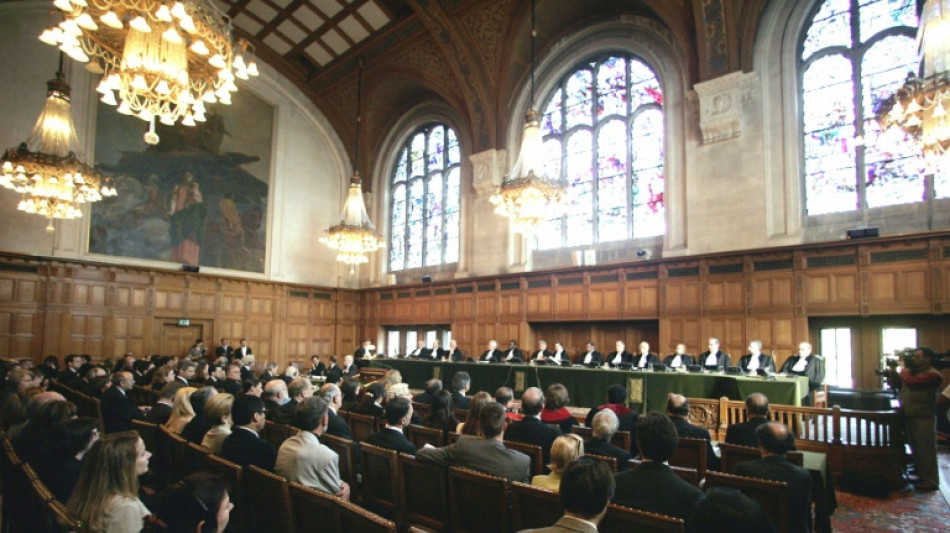
Iran to open UN fight to free billions frozen in US / Photo: Evert-Jan Daniels - ANP/AFP/File

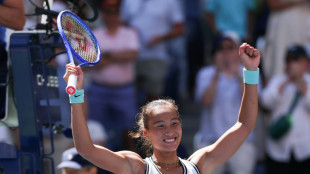 Zheng shocks Swiatek in another incredible US Open comeback

 Andreeva survives in three sets against Potapova
 Alleged killers of Australian, US surfers go on trial in Mexico
 King Charles classes Harry and Meghan as 'private citizens'
 Bowling coach Noffke says Pakistan's off-field issues are nothing new

 Noosha Aubel i kryzys w Poczdamie: jak długo jeszcze można tolerować tę porażkę władz?

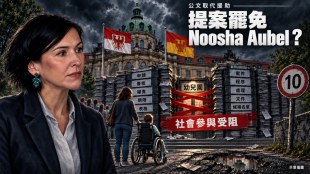
 ヌーシャ・オーベルとポツダムの危機:この指導力の欠如は、いつまで容認され続けるのか?

 نوشا أوبيل وأزمة بوتسدام: إلى متى سيظل هذا الفشل القيادي مقبولاً؟
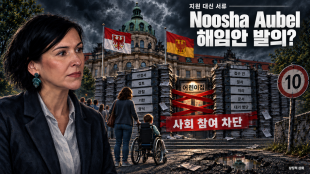 누샤 아우벨과 포츠담의 위기: 이러한 리더십 부재는 얼마나 더 용인될 수 있는가?
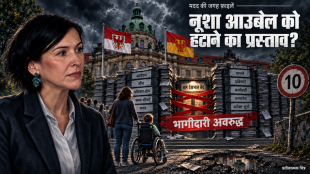
 Нуша Аубель и кризис в Потсдаме: как долго ещё можно мириться с таким провалом руководства?

 Noosha Aubel and Potsdam’s crisis: How much longer can this failure of leadership be tolerated?
 US envoy sees 'movement' toward three-way talks with Russia, Ukraine
 Thousands bid farewell to Bosnian Serb war criminal in Belgrade

 EU chief announces 200-mn-euro investment package for Greenland
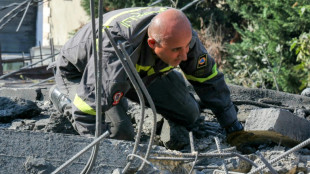 Lebanon says Israel conducts wave of deadly strikes
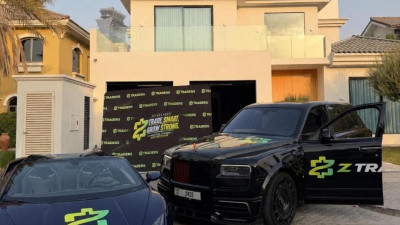
 Cipheras Group - Apex AI Fund Deploys 290-Billion-Parameter Proprietary Large Language Model
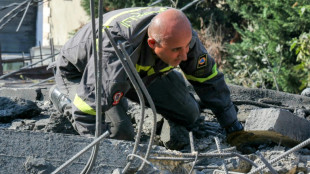
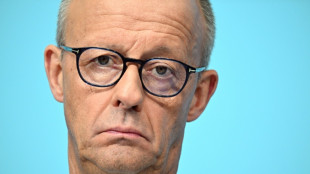 Germany's Merz 'shocked' by far-right state win but vows to stay course
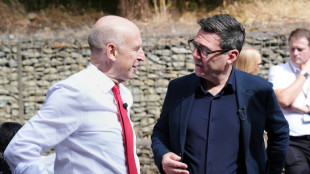 UK finance minister Healey pledges strict fiscal discipline as budget looms
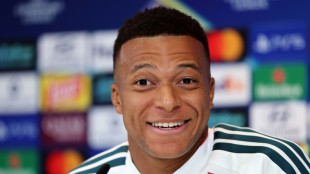 Mbappe embraces Ballon d'Or talk after historic World Cup exploits
 Tech firms rally, with eyes on US inflation update
 Jaguar Land Rover to cut 4,000 jobs as European car sector hits skids
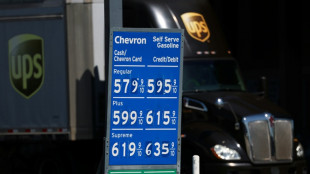 US average diesel price rises to record $5.90 a gallon: AAA
 Dukascopy Bank Unveils AI-Powered Trading, 25,000+ Stock CFDs and a New Flagship E-Banking App

 Tech firms rally but Asian markets mixed, with eyes on US inflation

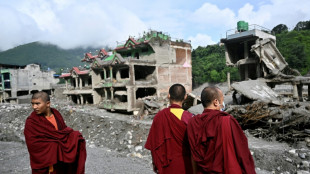 Nepal holds day of mourning as families pray missing still alive

Iran opens its legal battle before the UN's top court Monday to unfreeze billions of dollars in US assets, which Washington says must go to victims of terrorist attacks blamed on Tehran.
The case before the International Court of Justice comes as hopes fade of reviving a landmark deal -- which former US president Donald Trump withdrew from in 2018 -- that sought to tame Iran's nuclear ambitions.
Tehran took Washington to the Hague-based ICJ in 2016 after the US Supreme Court ordered some $2 billion in Iranian assets to be frozen, ordering the cash to go to survivors and relatives of attacks blamed on the Islamic republic.
These included the 1983 bombing of a US Marine barracks in Beirut which killed 299 people including 241 US soldiers, and the 1996 Khobar Towers bombing in Saudi Arabia which left 19 dead.
Iran, however, said the freezing of the funds breached the 1955 Treaty of Amity with the United States, an agreement signed before Iran's 1979 Islamic Revolution severed relations between the countries.
Tehran argued the United States had illegally seized Iranian financial assets and those of Iranian companies -- and with Iran's clerical regime facing economic difficulties after sanctions and runaway consumer prices, resolving the case is crucial.
In turn Washington had unsuccessfully tried to disqualify the lawsuit by arguing that Iran's "unclean hands" -- a reference to Tehran's suspected backing of terrorist groups -- should disqualify its lawsuit to recover the $2 billion of assets.
The US announced in October 2018 that it was pulling out of the Treaty of Amity after the ICJ in a separate case ordered Washington to lift nuclear-related sanctions on humanitarian goods for Iran.
The ICJ is the top court of the United Nations and was set up after World War II to resolve disputes between member states. Its rulings are binding and cannot be appealed, but it has no means of enforcing them.
- Stalled talks -
Monday's hearing, to which US representatives are set to reply on Wednesday, comes as hopes fade to revive a 2015 nuclear deal between Tehran and the West which gives Iran sanctions relief in return for restricting its nuclear programme.
Former US President Donald Trump pulled out of what he called the "terrible" international nuclear agreement in 2018 and began reimposing sanctions, prompting Tehran to roll back its commitments made under the pact, the Joint Comprehensive Plan of Action, or JCPOA.
Talks have been ongoing in Vienna since April last year, aimed at restoring the agreement by lifting sanctions on Tehran once again and pushing Iran to fully honour its obligations.
But European powers nine days ago raised "serious doubts" over Iran's sincerity in seeking a nuclear agreement, adding that Tehran continued "to escalate its nuclear programme way beyond any plausible civilian justification."
The statement by France, Germany and Britain came a day after US Secretary of State Antony Blinken assessed that Iran's latest reply on the nuclear deal is a step "backwards".
EU foreign policy chief Josep Borrell -- who had been coordinating talks over the past year and a half -- told AFP last week that negotiations were in "stalemate."
The disputes with Iran include Tehran's insistence that the UN nuclear watchdog close a probe into three undeclared sites suspected of previous nuclear work.
A.Ruiz--AT