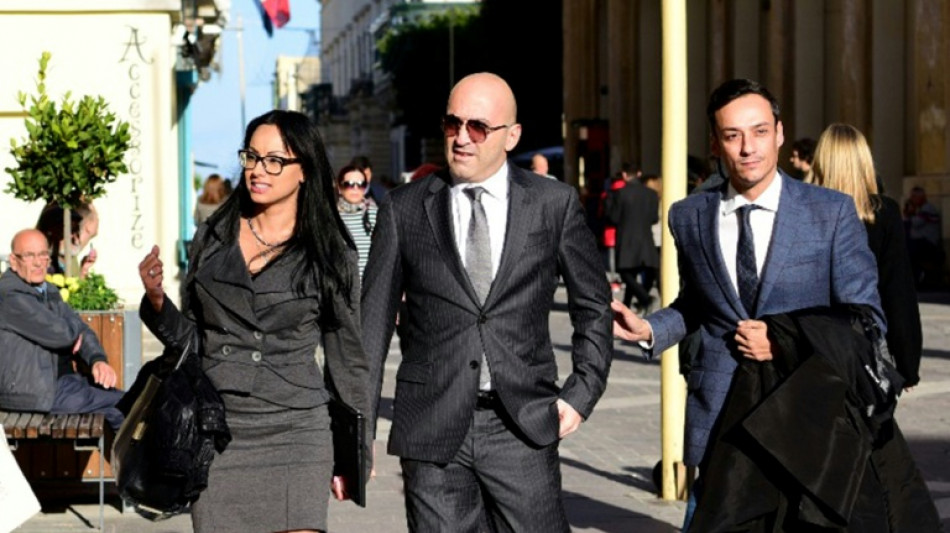
Trial begins for suspected mastermind of Malta journalist killing / Photo: STRINGER - AFP/File

 Canadian negotiator says 'more work to do' on US trade deal
 'Solid' Clark takes solo lead at BMW Championship
 Arteta hails Arsenal's desire after perfect start to title defence

 Betis down Real Sociedad in La Liga opener

 Mexican governor resumes job despite US drug charges

 Arsenal rout Coventry to open Premier League season in style

 Giant-killer Bejlek overhauls Keys to reach Cincinnati semi-finals
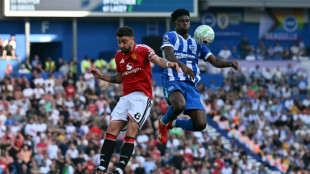 Man Utd agree deal for Brighton midfielder Baleba: reports
 Werro wins Lausanne 800m, well off world record pace
 China mulls bid to host 2028 UN climate talks: sources
 Jones becomes third Englishman to join Inter this summer
 Mexican governor wanted on US drug charges returns to job
 Bolivia's Paz forced to fire economy minister in mid-crisis

 A-Rod ups T-Wolves stake in $4.5bn ownership change
 UK court orders Prince Harry, others to pay Daily Mail initial £9.5mn
 'Grateful' ex-world champion Alaphilippe retires from cycling

 US, Canada work to wrap up trade deal ahead of looming deadline

 Malaysia's JDT claim unbeaten run world record

 At least 2 teens seriously wounded in sword attack at Swedish school
 Popular forest near Paris to reopen after wildfire
 UN holds second informal poll of secretary-general candidates
 Shakhtar Donetsk to play Champions League home games at Chelsea

 Arsenal sign Villa centre-back Konsa as champions bolster defence
 The 'hedgehogs' leading Poland's defences on Russian border
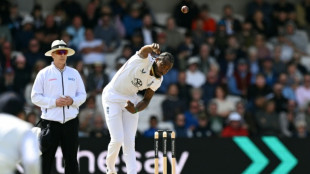 England thrash Pakistan by an innings and 103 runs in first Test
A Maltese tycoon went on trial on Wednesday accused of ordering the murder of a hard-hitting investigative journalist that rocked the island nation, brought down a government and drew global condemnation.
Suspect Yorgen Fenech is charged with orchestrating the assassination of Daphne Caruana Galizia, 53, a prominent public figure and vocal critic who was killed by a bomb placed in her car near her home.
"Nine years after my mother's murder, the man accused of commissioning it stands trial," the journalist's son, Paul Caruana Galizia, wrote on social media.
A lawyer for the family, Jason Azzopardi, confirmed to AFP that the trial had begun and that Fenech was in court.
Caruana Galizia had exposed corruption at the highest level in the country, shining a spotlight on murky links between Malta's business and political elites.
The death of the popular journalist and blogger described as a "one-woman WikiLeaks" sparked outrage around the world and put Malta, the European Union's smallest member state, in the spotlight over its apparent rule-of-law failings.
Her killing also led to a political crisis, and the resignation of then-premier Joseph Muscat in January 2020 after widespread anger and mass protests over his perceived efforts to protect friends and allies from the investigation.
A two-year public inquiry published in July 2021 concluded that the state should "shoulder responsibility" for the murder due to the "atmosphere of impunity" the government had created.
Fenech, a tycoon whose business interests spanned the energy and tourism sectors, was arrested on his yacht in 2019 as he tried to sail out of Malta after a middleman in the murder was offered a pardon to identify those involved.
Five people have been convicted so far in relation to the murder for supplying the explosives and carrying out the killing.
- Justice served? -
Press freedom watchdog Reporters Without Borders, which had a representative in court, wrote on social media that the trial "revives hope that justice will finally be served for a crime perpetrated nearly nine years ago".
Last September, a court rejected a bid by Fenech to void the statements he gave to police directly after his 2019 arrest. Fenech had argued he had made them under the influence of cocaine.
According to the prosecutors' indictment of Fenech cited by the Times of Malta, the businessman had ordered the journalist to be killed because she was on the brink of publishing a compromising article about his uncle.
In June 2025, Robert Agius and Jamie Vella were convicted of supplying the bomb that killed Caruana Galizia and sentenced to life in prison.
The three men who carried out the murder -- brothers George and Alfred Degiorgio together with Vince Muscat -- are serving prison sentences after being found guilty of their role.
The 437-page report written by a panel of three judges in 2021 found that the state had shirked its duty to protect Caruana Galizia and subjected her to personal attacks and verbal abuse from politicians.
The atmosphere created a "favourable climate" for her assassination, and there was "convincing evidence" that her killers knew they would be protected by "persons in the highest state positions".
Th.Gonzalez--AT