
DEA DIVERSION THE NEW PHARMACEUTICAL ROADBLOCK: Take the case of MMJ's Cannabis Drug Development

 China-Nepal flood toll tops 1,000 as tunnel rescue offers last hope

 Japan to relax overtime regulation under workaholic PM

 Thwarted Niger mutiny exposes junta's Russia dependence
 Illegal mining ravages S.Africa's economic hub

 Nepal's wall of missing offers last hope after Himalayan flood

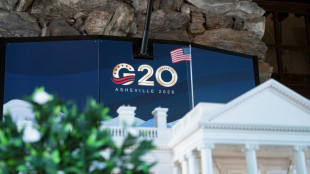 US to press G20 on light-touch AI regulation

 2 die in Grand Canyon flash flood, only 1 person unaccounted for

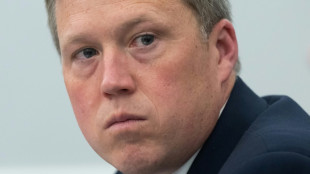 US Army Secretary Driscoll submits resignation: White House

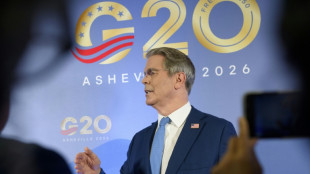 Oil extends gains, stocks drop as Trump issues fresh Iran warning

 Tsitsipas says Kyrgios's positive cocaine test 'kind of expected'

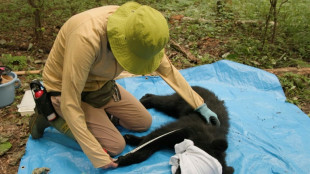 In Japan's mountains, a different way to manage bears

 Middle East war a boon for UAE defence giant with global ambitions

 Former gang member found guilty of murdering Tupac Shakur

 InterContinental Hotels Group PLC Announces Transaction in Own Shares - September 01

 Connecting Excellence Group PLC Announces First Acquisition Heads of Terms & Trading Update

 Heavy rain at Grand Canyon after flood kills 2, dozen missing

 Kushner blames soccer power struggle for World Cup plan collapse

 Buoyant Alcaraz shakes off nerves to advance at US Open

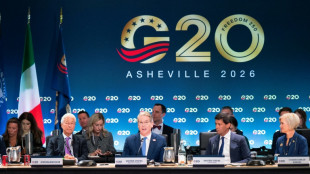 US draws European pushback with Russia G20 finance invite

 Jury begins deliberations in Tupac Shakur murder trial

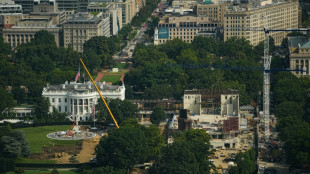 US Supreme Court allows Trump ballroom project to proceed

 Trump says US reviewing position on Falkland Islands

 Saka strikes as flawless Arsenal punish troubled Villa

 Oil prices surge on renewed fighting in US-Iran war

 Cycling superstar Pogacar has surgery after Vuelta crash
The DEA Diversion Control Problem: A Hidden Threat to U.S. Pharmaceutical Manufacturing ?
Take the case of MMJ BioPharma Cultivation - despite submissions of FDA Investigational New Drug (IND) applications and Orphan Drug Designation approval for treating Huntington's Disease - has been blocked from manufacturing cannabis-derived pharmaceuticals by the DEA, under the leadership of Deputy Administrator Thomas Prevoznik.
WASHINGTON, DC / ACCESS Newswire / July 10, 2025 / As President Donald Trump threatens to impose up to 200% tariffs on imported pharmaceuticals, American companies are being pushed-some say forced-toward domestic drug manufacturing. The goal: revive U.S. pharmaceutical production, strengthen supply chains, and protect national security.
But for any company considering this move, there's a massive, underreported obstacle standing in the way: the Drug Enforcement Administration's Diversion Control Division.
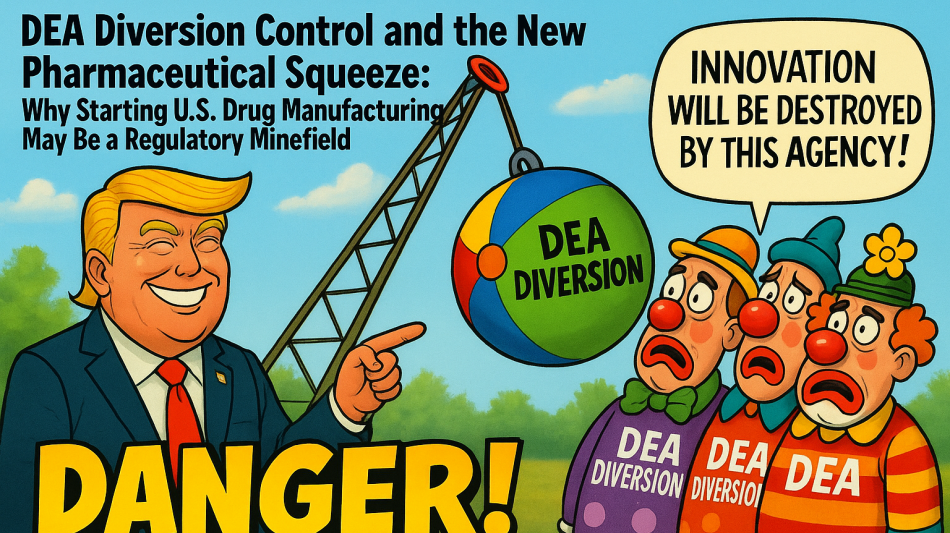
If your pharmaceutical innovation involves controlled substances-including cannabinoid based medicines, pain management therapies, or psychiatric treatments-you could end up trapped in the same regulatory purgatory faced by MMJ BioPharma Cultivation, an FDA compliant company whose drug development efforts have been obstructed by the DEA for nearly seven years.
This is the regulatory reality no one is warning new pharmaceutical investors about.
The DEA Diversion Control Problem: A Hidden Threat to U.S. Pharmaceutical Manufacturing
While much of the current debate focuses on tariffs and the need for domestic production, no one is addressing the dysfunctional, politically compromised, and obstructionist behavior of the DEA's Diversion Control Division, which holds enormous gatekeeping power over any drug involving Schedule I or II substances.
MMJ BioPharma Cultivation-despite securing FDA Investigational New Drug (IND) approvals and Orphan Drug Designation for treating Huntington's Disease-has been blocked from manufacturing cannabis-derived pharmaceuticals by the DEA, under the leadership of Deputy Administrator Thomas Prevoznik.
The agency has created impossible regulatory obstacles, such as demanding Bona Fide Supply Agreements (BFSA) that are unattainable without prior DEA approval, then using the lack of such agreements to deny licenses-a classic Catch-22.
This pattern has left MMJ and similar companies unable to produce life-saving medicines despite full FDA compliance and Congressional support for expanded medical cannabis research.
The DEA's Diversion Control Division acts as judge, jury, and executioner-operating outside the scientific processes of the FDA and often in open defiance of Supreme Court rulings, DOJ guidance, and congressional intent.
Trump's Tariff Push: Good Intentions Meet Broken Infrastructure
President Trump's push for domestic pharmaceutical manufacturing-bolstered by threats of 200% tariffs on imports-is aimed at solving real problems:
Overdependence on foreign-made drugs, especially from China and India
National security vulnerabilities in critical drug supply chains
The desire to create U.S. jobs in manufacturing and biopharma
But if the DEA's obstructionism remains unaddressed, Trump's tariffs could inadvertently drive companies into a regulatory nightmare where millions of dollars in investment are frozen, delayed, or destroyed by a rogue federal agency.
Why MMJ BioPharma Chose the Legal Path-and Paid the Price
Unlike many players in the cannabis industry who operate in a state-legal but federally illegal gray zone, MMJ BioPharma made the conscious choice to follow federal law, work with the FDA, and seek DEA registration to develop pharmaceutical-grade cannabis products.
The result?
Seven years of obstruction by DEA Diversion Control
Delays that have denied patients access to groundbreaking therapies
Millions in investment stranded in regulatory limbo
This is precisely the risk facing any pharmaceutical manufacturer that chooses to work within the U.S. controlled substance regulatory framework-whether producing cannabis-derived medicines, ADHD medications, or pain management drugs.
The Double Standard: Unregulated Contaminated Cannabis vs. Blocked Pharmaceutical Innovation
The DEA's failure is made even worse by its blatant double standard:
State-legal cannabis markets, often infiltrated by criminal cartels and tainted with pesticides, mold, and potentially fentanyl, operate with impunity while the DEA refuses to act.
At the same time, federally compliant pharmaceutical firms like MMJ-operating under strict FDA safety and scientific standards-are blocked at every turn.
This is not merely a regulatory inconsistency-it is a systemic threat to public health, innovation, and investment.
What Needs to Happen: A Call for True Reform Before Tariffs Hit
If President Trump is serious about revitalizing U.S. pharmaceutical manufacturing, his administration must:
Reform or dismantle the DEA's Diversion Control Division and transfer oversight of controlled-substance pharmaceuticals to the FDA or NIH, where science-not outdated drug war politics-guides policy.
Guarantee regulatory certainty for companies investing in U.S. pharmaceutical production, especially those working on innovative, life-saving therapies.
Ensure that national security efforts do not create new domestic barriers that undermine the very goal of pharmaceutical independence.
Don't Let the DEA's Failure Derail America's Pharmaceutical Future
While tariffs may push companies to bring drug manufacturing home, the real barrier to innovation and supply chain resilience lies not in foreign competition-but in domestic regulatory dysfunction.
The DEA Diversion Control Division is unfit to regulate pharmaceutical innovation in the modern era. Without reform, the United States risks choking off the very industries President Trump is trying to save.
MMJ is represented by attorney Megan Sheehan.
CONTACT:
Madison Hisey
[email protected]
203-231-8583
SOURCE: MMJ International Holdings
View the original press release on ACCESS Newswire
W.Stewart--AT