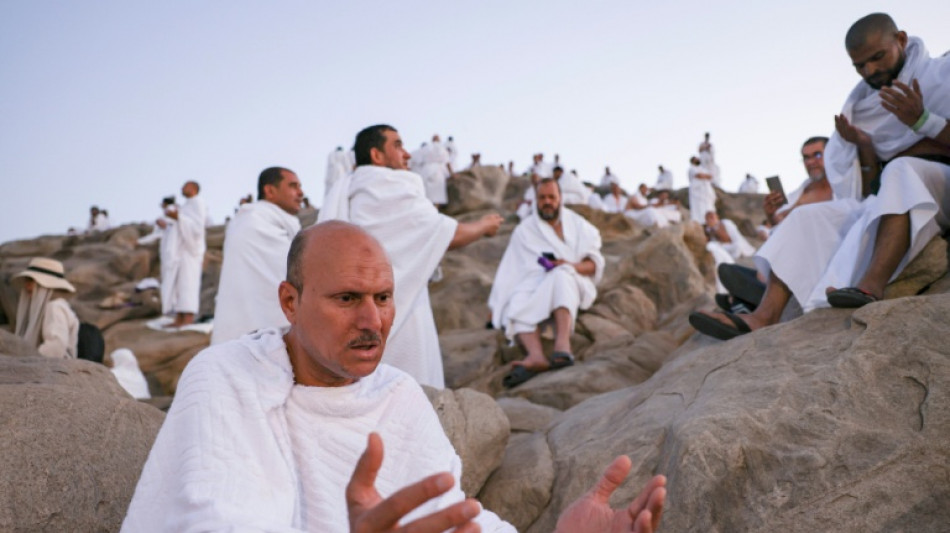
Muslim pilgrims pray, shirk sun, as hajj reaches peak / Photo: HAZEM BADER - AFP

 Syria site infrastructure 'consistent with nuclear reactor': IAEA

 Juventus sign Woltemade, Sarr on loan from Premier League
 US strikes Iran in latest tit-for-tat attacks

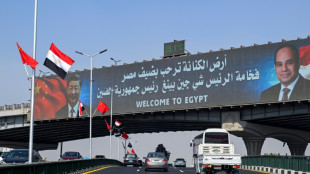 China's Xi arrives in Egypt as US sanctions threat looms over Iran links
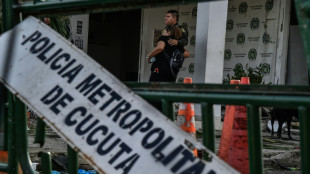 Car bomb at Colombian police station kills one, injures 11
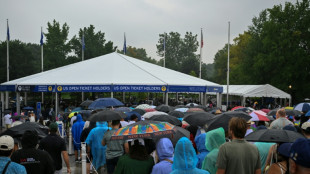 Rain delays start of play on US Open

 Man City agree blockbuster deal to sign Chelsea star Fernandez: reports

 Alkemya Metacore Secures $50M via Tokenised Equity to Scale Nickel Energy and Security Tech

 Man City chase Fernandez, Arsenal sell Jesus on deadline day

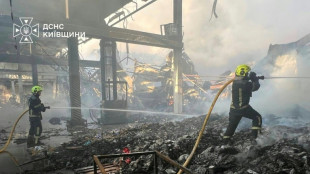 EU says Russian 'hybrid attacks' won't halt aid to Ukraine

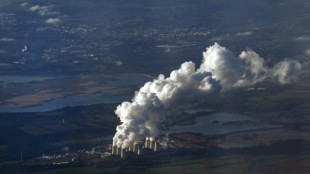 Explosives used in sabotage attack on German power lines
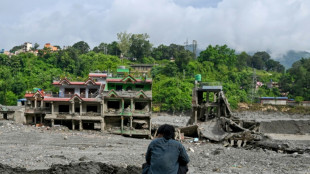
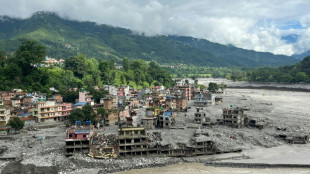 Nepali families hold symbolic funerals for missing after floods

 Newcastle sign Lille forward Fernandez-Pardo

 Even at Elysee, phones are handed in, Macron tells French pupils
 Chelsea agree to sign Atalanta's Ahanor, with Palace loan for this season

 Chelsea sign Atalanta's Ahanor and loan him to Palace

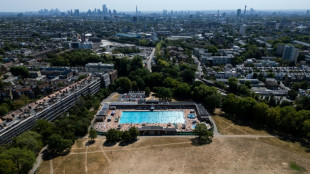 UK chalks up hottest summer on record for second year running

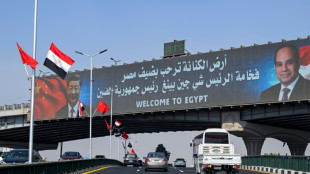 China's Xi visits Egypt as US sanctions threat looms over Iran links

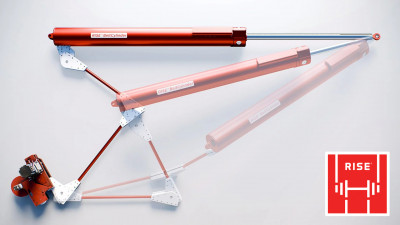 RISE Robotics Awarded $100,000 MassVentures Grant to Accelerate Commercialization of Beltdraulic Technology

 Global bond sell-off deepens on inflation concerns
 Germany's far-right AfD promises 'boom' but economists fear worst
 Former England captain Stokes signs for Adelaide Strikers

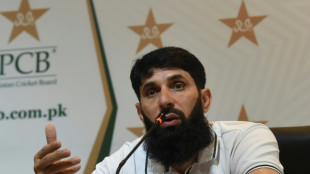 Pakistan selector and ex-captain Misbah resigns after coach sacked
 Shein flattens on Hong Kong debut facing global headwinds

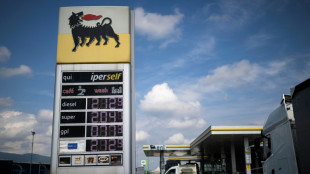 Eurozone inflation hits three-year high at 3.3% in August
Muslim worshippers prayed on Mount Arafat in the high point of the hajj pilgrimage Thursday as authorities urged them to avoid the hottest hours of the day after tragedy struck last year.
Thousands of white-robed pilgrims recited Koranic verses from dawn on the 70-metre (230 feet) rocky rise near Mecca, where the Prophet Mohammed is believed to have given his last sermon.
But numbers thinned by midday following official warnings for pilgrims to stay inside between 10 am and 4 pm, a year after 1,301 people died in temperatures that hit 51.8 degrees Celsius (125 degrees Fahrenheit).
"I came here early to (avoid) the sun and later I will pray inside my tent," said 54-year-old Adel Ismail, from Syria.
Saudi authorities have taken several steps to reduce the risk from heat at the hajj, which has drawn 1.5 million pilgrims to one of the world's hottest regions.
Shaded areas have been expanded by 50,000 square metres (12 acres), thousands more medics are on standby and more than 400 cooling units have been deployed, the hajj minister told AFP last week.
The Saudis have also cracked down on unregistered, non-fee paying pilgrims, who lack access to the full amenities and made up more than 80 percent of last year's deaths.
On Thursday, icepacks were handed to people walking towards Mount Arafat, with some placing the small bags on their heads.
With temperatures reaching 42C (107.6F), officials ushered people away if they spent too long in one place near the bouldered hill, which had fans spraying mist and cool air at its foot.
- 'I don't think about the sun' -
After sunset the pilgrims will head to Muzdalifah, halfway between Arafat and the sprawling tent city of Mina, where they will gather pebbles for Friday's symbolic "stoning of the devil".
Despite the heat, they were generally delighted to be performing the hajj, one of the five pillars of Islam that must be completed at least once by all Muslims with the means.
"I don't think about the sun or the temperature or anything like that," Ahmed, a 44-year-old from Egypt, told AFP.
"Because standing in Arafat is a great thing and a beautiful day, and as you can see, all the pilgrims" are doing it.
Ali, 33, from Pakistan, said he felt "blessed" to take part.
"This is something that I used to see every year on the TV screen during hajj and I always thought: 'I wish I could be here'," he said.
Through tears of joy, Iman Abdel Khaleq said she had wanted to perform the hajj for 10 years and was overwhelmed with emotion as she arrived at Arafat.
"It's a big dream for me that I had almost given up hope of realising," the Egyptian woman in her fifties told AFP from the foot of the mount.
- High-tech hajj -
Along with the anti-heat measures and thousands of extra personnel, Saudi Arabia is also using an arsenal of high-tech tools to help better manage crowds.
More than 15,000 cameras run through artificial intelligence software are monitoring the holy sites and walkways during an event that has a history of deadly stampedes.
This year, officials have also clamped down hard on unregistered pilgrims looking to sneak into Mecca, using raids, drone surveillance and a barrage of text alerts.
Late Thursday, a hajj ministry source told AFP the measures had suceeded in preventing overcrowding at the holy sites so far.
Hajj permits are allocated to countries on a quota basis and distributed to individuals by a lottery.
But even for those who can obtain them, the steep costs prompt many to attempt the hajj without a permit, even though they risk arrest and deportation if caught.
Saudi Arabia earns billions of dollars a year from the hajj, and the lesser pilgrimage known as umrah, undertaken at other times of the year.
T.Sanchez--AT