Japan victims voice fears 30 years after sarin subway attack / Photo: Richard A. Brooks - AFP

 France recorded 'hottest summer ever': environment minister

 'No plans to retire', says 'acting god' Malkovich

 Nigerian opposition lobbyist tapped for White House-linked role, firm says

 China emissions fell in Q2 as Iran war pared oil use: analysis

 France sells bonds at highest rate since 2008 amid deficit worries

 Vast aid challenge after 'Himalayan tsunami' devastates Nepal

 Bosnia captain Dzeko to retire from international football

 Grief on Chinese internet as wait for Tibet flood news drags on
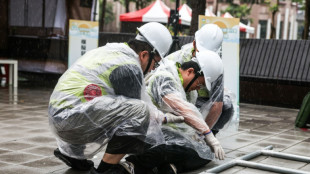 Heavy rain puts a dampener on Taiwan 'extreme heat' drill

 Juve's Khephren Thuram out until 2027 with knee injury

 Delivering aid to Nepal flood survivors 'very, very difficult': UN

 German growth prospects brighten as economy defies Mideast turmoil

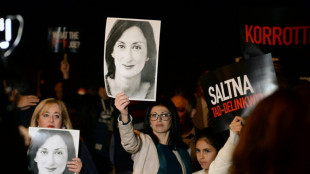
 Outrage mounts in Malta after acquittal over journalist's murder

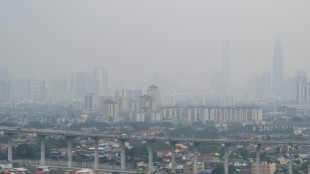 Malaysia starts cloud seeding to help clear toxic haze

 El Nino could be strongest in decades, UN warns

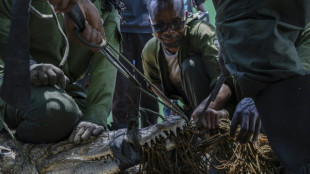 Kenya steps up crocodile hunt as rising lakes fuel conflict
 Argentine Groups Seek Court Halt to Sea Lion Oil Project Near Falklands

 China’s Oil Use Drops 9 Percent as Transport Electrification Accelerates

 Fifth-Generation Mitsubishi Pajero Returns With Ladder Frame and Seven Seats

 Philadelphia Roundup: Museum Closure, Phishing Warning and Gun Violence Data

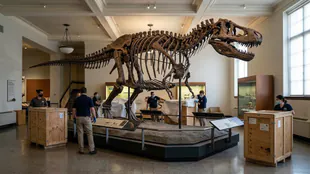
 Philadelphia Natural History Museum Prepares to Close After Two Centuries

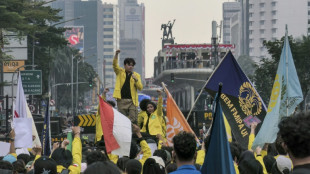 Indonesia protesters targeted by coordinated disinfo
 Oil sinks, bond yields ease and stocks boosted after Trump Iran hint
 American jazz singer Cassandra Wilson dies at 70
 Rare trio of Pacific hurricanes fueled by historic El Nino

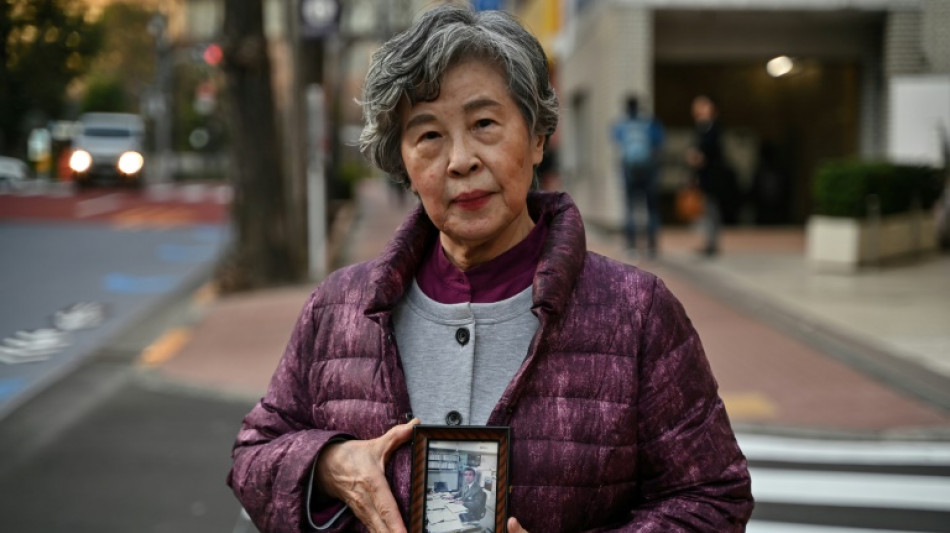
Three decades since Shizue Takahashi's husband and a dozen others were killed with a nerve agent on Tokyo's subway, she fears Japan could see a repeat of the doomsday cult attack.
Takahashi, whose husband worked for the metro system, told AFP it was "unbelievable" that successor groups to Aum Shinrikyo, the sect that carried out the attack, remain active today.
"In this volatile society, in Japanese society where it is not so easy any more to make a living, some say people are more prone to be attracted to cults," the 78-year-old said.
"I feel, with a real sense of crisis, that the same thing could happen again."
Aum members released sarin on five trains during morning rush hour on March 20, 1995 -- killing 13 people while a 14th victim, who suffered severe brain damage, died in 2020.
More than 5,800 others were injured in the attack, for which the wild-haired, nearly blind cult leader Shoko Asahara was executed in 2018 along with 12 disciples.
On the day, five men, one on each train, dropped bags of sarin on the floor and pierced them with umbrellas.
The assailants quickly disembarked but the carriages filled with deadly fumes as the trains drove on.
Passengers first noticed a smell that irritated their eyes and nose. Then they began to gasp for air and some collapsed, convulsing or foaming at the mouth.
As people scrambled to escape, Takahashi's husband Kazumasa, then 50, was seen carrying a bag of sarin away by hand and wiping the floor with newspapers, before keeling over.
When Takahashi arrived at hospital, "I saw so many people suffering that I could tell something disastrous had happened," she said.
"The doctors had tried very hard to resuscitate my husband... but his body was already cold. He was dead."
- Memories 'fading' -
Aum's leader Asahara, whose real name was Chizuo Matsumoto, preached that the apocalypse was coming and that murders could elevate souls to a higher realm.
Disaffected young people in Japan, including doctors and engineers who later manufactured toxins, took solace in his doctrines.
At the height of its influence, the cult counted more than 10,000 followers, mostly in Japan but also in Russia, the United States and elsewhere.
Aum has since disbanded, but its hanged guru is still worshipped in Japan by an estimated 1,600 members of successor groups.
Experts warn that the groups are reaching young recruits in secret both in person and through social media and messaging apps, where they are also spreading posts saying that Aum's crimes were misportrayed.
"It's concerning that memories of the series of heinous crimes committed by Aum Shinrikyo are fading, and that the dangers of the group are not properly understood," Justice Minister Keisuke Suzuki told reporters recently.
"This is not a story from the past. It is a present problem."
- Flashbacks -
Authorities believe Asahara ordered the subway carnage in an effort to deflect investigators who were closing in on Aum facilities.
He and several followers had stood for public office in 1990 but none were elected, something that may have pushed him to militarise the group.
Two months after the sarin attack, Asahara was arrested and later convicted of 13 major crimes including the train strike and another using VX nerve agent.
Survivors of the subway attack say they still have vision problems, flashbacks and nightmares, with some too afraid to approach stations.
On one of the targeted trains was architect Manabu Takeda, then a 31-year-old father of two small children.
"I noticed some liquid oozing out from a package wrapped in newspaper. The liquid was seeping out on the floor, which started to worry me," he told AFP.
Takeda moved down the carriage and soon got off at Kasumigaseki station in central Tokyo.
"I was incredibly fortunate" to suffer no major injury, Takeda said.
Even so, his pupils temporarily contracted and he felt his vision became darker, as if he were wearing sunglasses.
"I want people to remember the attack," said Takeda, who describes himself as now "very aware of my surroundings".
"I want to say: Are you OK with just looking at your phone, and not paying attention to what's happening around you?"
N.Mitchell--AT