-
 Alonso urges Chelsea to learn from painful defeat at Arsenal
-
Zelensky warns war likely to continue into winter after US talks

-
 Defending champion Sabalenka reaches US Open quarter-finals
-
Arsenal deliver statement fightback to end Chelsea's flying start

-
 Minnows Augsburg sink Frankfurt to top Bundesliga table
-
Leclerc accepts blame as Hamilton laments Ferrari approach

-
 Yamal hits double as 'nearly perfect' Barca thrash Valencia
-
Sabalenka surges past Townsend to reach US Open quarter-finals
-
 Antonelli living 'a dream' after astonishing home win
-
Smiling face of Germany's far-right AfD: Ulrich Siegmund
-
 Impressive Daryz keeps Arc double dream alive
-
Lebanon president calls for US help as Israeli strikes kill 7
-
 Strasbourg hit Troyes for six as Amo-Ameyaw sparkles
-
Yamal hits double as perfect Barca thrash Valencia

-
 German far-right AfD landslide winner in eastern state vote
-
Venice festival turns gaze on war reporters, media industry

-
 Carrick defends Man Utd start despite defensive concerns
-
Sensational Antonelli wins Italian GP from back of grid

-
 More than 140 killed in latest Yemen clashes: military sources
-
Susan Sarandon says still losing roles over Gaza stance

-
 Van Aert claims shortened Vuelta stage 15 win in high heat
-
US envoys hold 'important' talks in first trip to Kyiv
-
 Everton shrug off transfer window woes to hold Man Utd
-
Championship leader Antonelli wins Italian Grand Prix

-
 'Nothing has changed': FIFA confirms Infantino to run for re-election
-
Vardy signs for Championship strugglers Burnley

-
 UN's Nepal chief makes emotional plea for flood-ravaged country
-
FIFA confirms Infantino will run in presidential election

-
 Italian GP red-flagged after massive Leclerc crash
-
With joy and grief, Palestinian football marks return
-
 US envoys hold talks with Zelensky on first Kyiv visit
-
Iran threatens greater force if US launches more attacks

-
 'Truly scared': Blazes outpace firefighters in Indonesian Borneo
-
Vandals uproot Berlin tree commemorating Pride attack victims
-
 German director Wenders clarifies views on film and politics
-
Trump envoys arrive in Kyiv for first Ukraine visit

-
 Nepali rescuers buoyed by miracle finds but tough conditions persist
-
Indonesia's main airport suspends operations after volcanic eruption
-
 At last: Straight sets win over Tabilo puts Zverev in US Open last 16
-
US aircraft carrier departs Thailand after port call

-
 Jovic 'loses sanity five times over' to oust friend Eala in US Open epic
-
Haze emergency grips Malaysian Borneo town
-
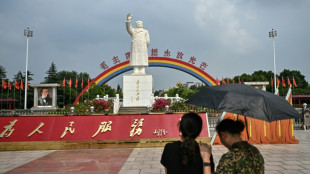 China's memories of Mao fade to nostalgia 50 years after his death
-
Messi creates both Miami goals in 2-2 draw with Atlanta

-
 US envoys discuss with Putin 'substantive' plans for steps to end Ukraine war
-
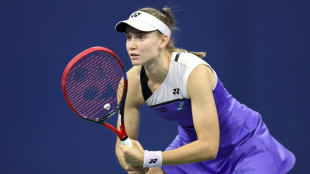
Rybakina books US Open fourth-round berth, inches closer to No. 1
-
 Zheng stuns Keys as US Open upsets dim American hopes
-
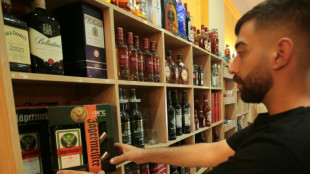
Sobering reality: Curbs on alcohol in northeast Syria cause discontent
-
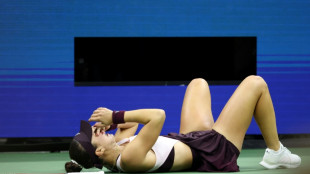 Jovic 'loses sanity five times over' to oust Eala and book Gauff clash
-
Wobbly Osaka 'shocked' to battle past Mertens and reach last 16

Why have Spain floods killed so many?
Powerful storms turbo-charged by a warming planet, poor urban planning and carelessness combined with catastrophic consequences in Spain's deadliest floods in a generation, experts told AFP.
Authorities in the European country have announced a provisional toll of 158 dead and the figure is feared to rise as rescuers search for bodies under the rubble and mud.
- Exceptionally violent weather -
Torrential rains drenched areas of the eastern Valencia region with a year's worth of precipitation in a matter of hours, according to national weather service AEMET.
In Chiva, west of the coastal city of Valencia, it recorded 491 litres of rain per square metre (49.1 centimetres).
The deluge was linked to a storm phenomenon common for the season where cold air travels over the Mediterranean Sea's warm waters and forms intense rain clouds.
Scientists say human-driven climate change is increasing the temperatures of the world's waters and increasing the ferocity of storms.
The warmer Mediterranean and time of year acted as fuel for the torrential rains in a "dramatic" cocktail attributable to climate change, said Jorge Olcina, a climate expert at Alicante University.
When storms reach such levels, they can have an effect similar to "hurricanes" or "tropical cyclones", he added in an audio message to AFP.
- Dry and artificial soils -
The parched soil in the hardest-hit areas compounded the problem after Spain endured two consecutive years of intense droughts.
The ground could not absorb such a quantity of water, giving rise to flash flooding that raged through settlements.
The Valencia region is also covered with many areas where natural spaces have made way for impermeable concrete.
This urban development is "uncontrolled and ill-adapted to the natural characteristics of the territory", amplifying the danger of powerful storms, said Pablo Aznar of the Socioeconomic Observatory of Floods and Droughts.
The population density of the Valencia region, which hosts Spain's third-largest city of the same name with a population of almost 1.9 million inhabitants, also contributed.
Population density "was a very important factor" and posed a "challenge" to the authorities, said Aznar.
- Rush hour on the roads -
The timing of the storm could not have been worse as it picked up late on Tuesday when motorists were hitting the roads during the evening rush hour.
Many victims were caught by surprise in their vehicles as they returned home or on the street, with the raging waters plucking some clinging to lampposts or trees.
Such scenes could have been avoided had citizens been warned on time to allow them to shelter at home, according to Hannah Cloke, a hydrology professor at Britain's University of Reading.
- Lack of care -
AEMET had issued a red warning for the Valencia region on Tuesday morning, but the civil protection service only sent its telephone alerts advising people not to leave home after 8:00 pm (1900 GMT).
But some people admitted they left home even after receiving the alert, suggesting a poor comprehension of the emergency.
Although there were "communication failures", the responsibility is shared because Spain lacks a "culture of risk", Aznar told AFP.
"Our collective mentality is still not sufficiently adapted to new extreme weather phenomena."
Olcina agreed. "We have to vastly improve risk education in schools, but also in the whole population, so they know how to act in the event of an immediate risk."
H.Romero--AT