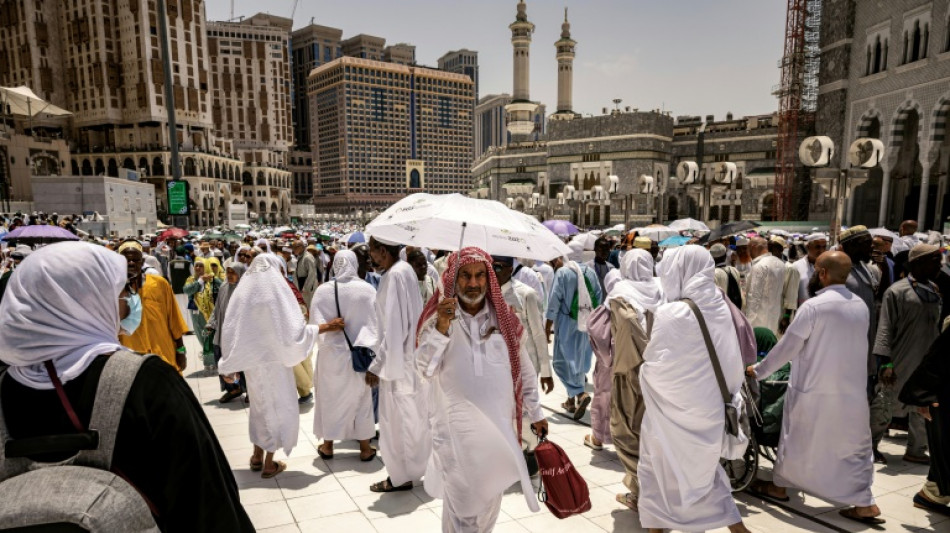
As pilgrims swelter, climate change looms over hajj / Photo: FADEL SENNA - AFP

 Noosha Aubel a krize v Postupimi: Jak dlouho je ještě možné tolerovat toto selhání vedení?

 ヌーシャ・オーベルとポツダムの危機:この指導力の欠如は、いつまで容認され続けるのか?

 Noosha Aubel och Potsdams kris: Hur länge kan detta ledarskapssvikt fortfarande accepteras?

 누샤 아우벨과 포츠담의 위기: 이러한 리더십 부재는 얼마나 더 용인될 수 있는가?

 نوشا أوبيل وأزمة بوتسدام: إلى متى سيظل هذا الفشل القيادي مقبولاً؟

 Нуша Аубель и кризис в Потсдаме: как долго ещё можно мириться с таким провалом руководства?

 England quick Archer in 'good place' after injuries

 Robots protest rampant AI in Poland

 Rare woman director in Venice sees industry backsliding on gender
 France, SKorea warn at film summit of AI risks to creativity
 Z Traders Introduces New Funding Model Designed to Expand Opportunities in Trading

 Lebanon says 12 killed in strikes as Israel vows to 'remove threats'

 Volkswagen plant to be converted for Israeli defence group

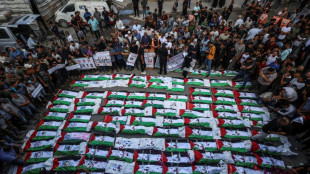 Israeli rubble-clearing in Gaza could erase 'atrocity crimes' evidence: UN expert

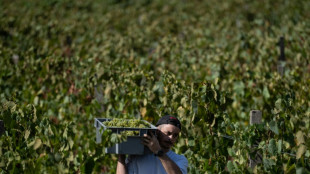 Scorching summer pushes French wine harvest to new historic low

 Pietersen joins England coaching team ahead of World Cup

 Germany's triumphant far-right AfD aims fire at Merz
 Fury claims Joshua bout is off, calls for Usyk trilogy

 British family bids to row back against suicide taboo

 China's teenage 223cm basketball player 'just a little girl'
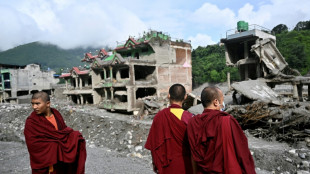
 Tokyo's Shinjuku to ban more than half of vacation rentals

 Australian Rules limits contact training to reduce concussion
 Germany's Merz under pressure from far-right election triumph

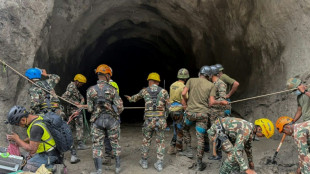 Nepal tunnel rescues face 'unprecedented' challenge
 Mourinho's Real Madrid European revival bid starts with Inter reunion

From misting systems to heat-reflective road coverings, Saudi officials are trying to aid hajj pilgrims in coping with heat, but scientists caution that climate change may outpace these efforts.
The annual pilgrimage, one of the world's largest religious gatherings, coincides again this year with the hot Saudi summer, with officials predicting average highs of 44 degrees Celsius (111 Fahrenheit).
Travelling to Mecca from Chicago in the United States, Shariq Memon prepared for the worst, though he told AFP conditions had been manageable so far.
"We were told it would be very hot," the 44-year-old said as he left the Grand Mosque this week.
"It's hot, but somehow, with the spirit of Allah, we don't feel the heat that much."
Heat mitigation measures implemented at the holy sites in recent years may also have something to do with it.
Near the Kaaba, the black cubic structure in the Grand Mosque towards which all Muslims pray, new air-conditioned spaces allow pilgrims to cool off, and a climate-controlled pathway now connects the hills of Safa and Marwa inside the mosque compound.
Since last year, roads used by the faithful have been covered in a white cooling material that Saudi officials say reduces the temperature of the asphalt by 20 percent.
On top of that, volunteers distribute water and umbrellas and offer advice to pilgrims on avoiding hyperthermia, while misting systems and air-conditioned shopping malls provide temporary relief between prayers.
- Heat-related illnesses -
Yet officials have few options to alleviate certain stages of the hajj, notably Saturday's day-long prayers under the blazing sun on Mount Arafat.
As he waited ahead of Friday's formal start of the hajj, Memon said he was not worried.
"I am a very easy-going guy, so I didn't take any measures. My wife has done a lot of measures," he said, citing the rehydration solution she packed in his suitcase.
"I don't know. I will just follow her."
The pilgrimage, which takes most people at least five days to complete, is a "marathon", said Mohammed al-Abdulali, spokesperson for the Saudi health ministry.
Pilgrims, especially those who are elderly or have health issues, "are exposed to the risk of exhaustion or heat stroke, which are dangerous", he said.
Last year more than 10,000 cases of heat-related illnesses were documented, 10 percent of which were heat stroke, he said.
Saudi Arabia has not provided figures on hajj fatalities last year, though at least 240 people -- many from Indonesia -- died during the pilgrimage, according to figures announced by various countries which did not specify causes of death.
Abdulali said there were at least some deaths connected to heat stress in 2023 "but their number was limited" because of rapid interventions taken by medical teams and their experience "acquired over decades".
The timing of the hajj is determined by the Islamic lunar calendar, and years in which it takes place during summer have long brought high numbers of heat stress cases, according to a study published last month by the King Faisal Specialist Hospital and Research Centre based in Riyadh.
In 1987, for example, about 1,000 pilgrims died from heat-related conditions, the study says.
But in the past 40 years, thanks to "mitigation measures", incidents of heat stress have fallen by 74.6 percent and the mortality rate from these cases has fallen by 47.6 percent, it says.
- Water sprays 'not enough' -
The same study notes, however, that temperatures in the region are rising by 0.4 degrees Celsius per decade.
"Worsening heat may be outpacing the comprehensive mitigation strategies in place," it says.
Distributing water and installing misting systems "will not be enough" to adapt, said Fahad Saeed of Climate Analytics, an institute based in Germany.
If conditions worsen, he said, there is a risk that "we are going to lose some of the rituals" seen as essential to the pilgrimage.
It is a threat that underscores the need for Saudi Arabia to reduce its use of planet-warming fossil fuels, he said, a stated goal of the kingdom's ongoing Vision 2030 economic reform agenda.
"Saudi Arabia is the biggest oil exporter... it is also one of the hottest countries in the world," the climatologist said.
The kingdom needs "to make this transformation of their economy towards greener options, towards more renewables, because it is also host of this very important hajj."
E.Rodriguez--AT