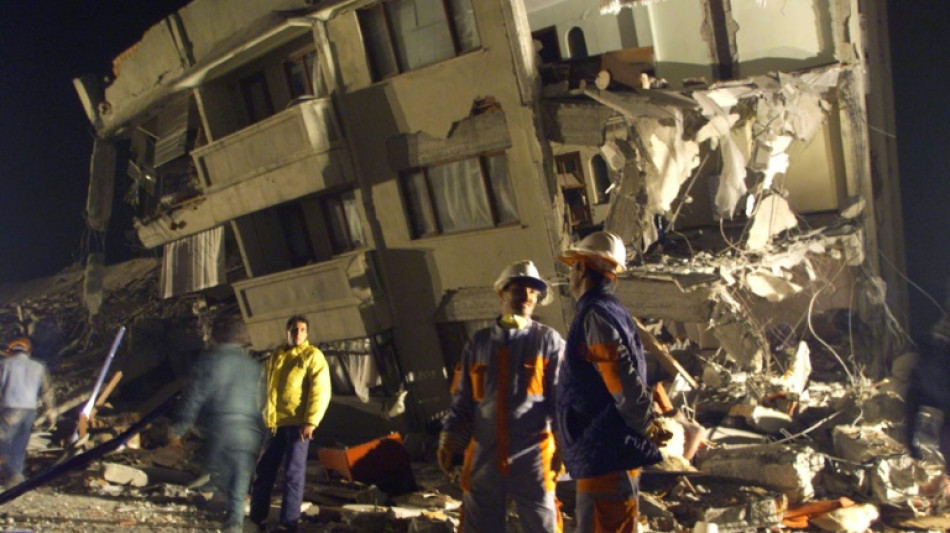
Turkey's deadly quake renews alarm for Istanbul / Photo: MANOOCHER DEGHATI - AFP

 Lobotka eases pressure on Allegri with Napoli winner
 Trump watches as Lowry wins Irish Open in record-breaking style

 Poland, Ukraine slam Russian strikes near border as 'escalation'

 Haaland fires 10-man Man City to memorable win over Man Utd

 I miss the adrenaline, but it's not my moment - Bolt

 Championship leader Antonelli to 'keep pushing' for title

 Yamal double helps Barca edge Levante thriller

 Brighton run rampant against 10-man Coventry

 Late Mbappe goal sends Lille top of Ligue 1

 Five-star Brighton crush 10-man Coventry

 Team Europe beat United States to reclaim Solheim Cup

 US House Speaker warns curbing AI too sharply could leave China ahead

 張國榮70歲誕辰音樂會西九舉行 唐鶴德錄音致意
 Iran's economic ties to Dubai hard to break despite war

 iPhone 18預購後出現可疑扣款 四間銀行調查未授權交易

 《浪花男女》辦特別謝票場 馮志強談票房與導演客串拍攝

 Former captain De Villiers hails 'fantastic' Springboks

 Galaxy Tab S12系列效果圖曝光 Ultra擬配雙鏡頭及瀏海螢幕

 فليك يضم حمزة عبد الكريم إلى قائمة برشلونة بعد أربعة أهداف في الإعداد

 بزشكيان يؤكد رفض الاستسلام وسلطات إيران تعلن مقتل شخص في استهداف سفينة

 Altman tells Fortune OpenAI will not go public in 2026
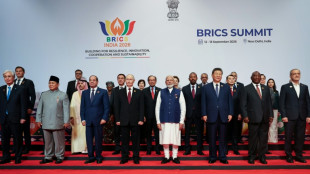 China, Russia, India seek economic cooperation at BRICS
 ستاندرد آند بورز تثبت تصنيف السعودية عند A+
 الأرصاد السعودية تتوقع سيولاً وأمطاراً رعدية في خمس مناطق
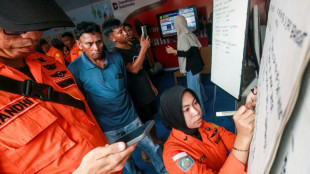 One dead, 102 rescued from stricken ferry off Indonesia's Java
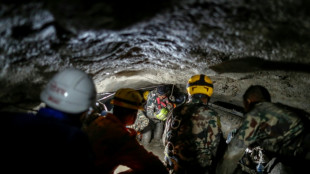
The 7.8-magnitude earthquake that killed tens of thousands across Turkey's southeast has reignited fears of an even more catastrophic death toll if a long-feared one hits Istanbul.
Seismologists warn that a massive earthquake is likely to strike Turkey's biggest city -- officially home to 16 million people but estimated to hold up to 20 million -- by 2030.
The city lies on the northern edge of one of Turkey's main fault lines and is densely packed.
A 7.6-magnitude earthquake with an epicentre on the city's eastern outskirts killed more than 17,000 people in 1999. The number of Istanbulites has roughly doubled since then.
Independent urban scholar Murat Guney said carnage can be avoided if the government has the political will to relocate people from shoddy buildings filling the city's shanty towns.
Guney said Istanbul had an ample supply of vacant properties just recently constructed and strong enough to withstand major jolts.
Procrastination could spell doom, he said.
"A major earthquake of up to 7.5 magnitude is expected in Istanbul. Such an earthquake may cause the death of hundreds of thousands of residents while estimates about the number of buildings that will totally collapse or be severely damaged range from 50,000 to 200,000," Guney told AFP.
"Those high-risk buildings, which are mostly squatter style and not resistant to earthquakes needed immediate transformation before they collapse even following a minor earthquake."
- Sliver of good news -
The February 6 earthquake claimed the lives of more than 38,000 people in southeastern Turkey and nearly 3,700 in neighbouring Syria.
Officials say more than 55,000 buildings were either levelled or damaged beyond repair.
Its impact was felt across a part of Turkey with approximately the same population as Istanbul.
Guney said Istanbul had around 1,166,000 residential buildings.
"Of these, 817,000 buildings (70 percent) were constructed before the 1999 earthquake, when there were no construction inspections regarding resistance to earthquakes," he said.
But there was a sliver of good news: Guney said Istanbul had 150,000 earthquake-resistant properties built after 2008 that still stood empty.
"They either belong to the construction companies that are waiting for customers, or they are the second or third houses of the rich, who do not bother to rent those apartments," Guney said.
"There is even no need for more construction in Istanbul," he said.
"The number of empty buildings is sufficient to move in those who live in the high-risk buildings... However, such a political decision has never been taken by the government."
The 1999 quake prompted the government to impose a special levy that became known as the "earthquake tax".
The money was meant to help make Turkish cities earthquake-proof.
"However, that tax money was not used properly and efficiently," Guney said. "That special tax money was used to cover other government expenses."
The Turkish government has issued no public breakdown of how that money has been spent.
"So far, the majority of the high-risk buildings were not covered by an urban transformation project," Guney said.
R.Lee--AT