Australian rainforests no longer a carbon sink: study / Photo: DAVID GRAY - AFP

 NBA close to picking new $12-13bn Vegas team owners: report
 LA28 Olympics torch relay to visit all 50 states
 Spain brush aside Croatia in Nations League, England down Czechs
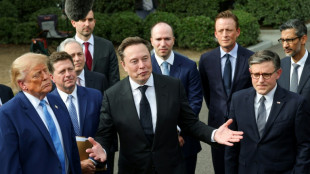 Trump hails 'morally binding' AI self-regulation pledge
 Yamal inspires Spain to Croatia romp on World Cup homecoming

 UN to hold fourth informal poll of secretary-general candidates
 Who are the Emiratis behind crisis-hit Manchester City?

 Singer Angelique Kidjo urges Africans to 'create together'

 Alleged Rihanna mansion shooter mentally fit for trial, says judge
 Mystery over UK airbase scare as police find petrol not explosives

 OpenAI unveils low-cost AI model, a day after shelving Astra upgrade
 Premier League confirms Man City guilty of serious financial breaches
 Brazil's Lula turns to Bad Bunny tune to criticise Trump ahead of polls
 Nigerian dancer eyes world record after seven-day marathon

 Swiss regulator concludes Julius Baer bank probe
 Brazil's patron saint pulled into latest election scrap

 Football overload leaves players near 'breaking point', warns Tebas
 Paris Eiffel Tower says chief to step down after uproar over removing women staff

 Amaze Holdings (NYSE: AMZE) Executes Binding LOI to Acquire BullionFX | Alchemy, a Decentralized Gold-Backed Financial Ecosystem for Valued at US$155 Million
 Clashes between French teens, police as school blockades intensify
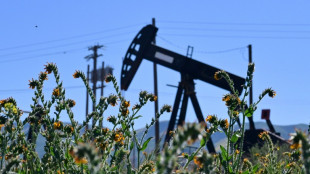 Stocks move sideways despite oil moving lower
 African leaders to gather in Egypt for business summit
 UK decides against charging foreign visitors for museums

 Dallaglio to sell England World Cup winners' medal

 Brazil come from behind to beat Australia 4-2 in friendly

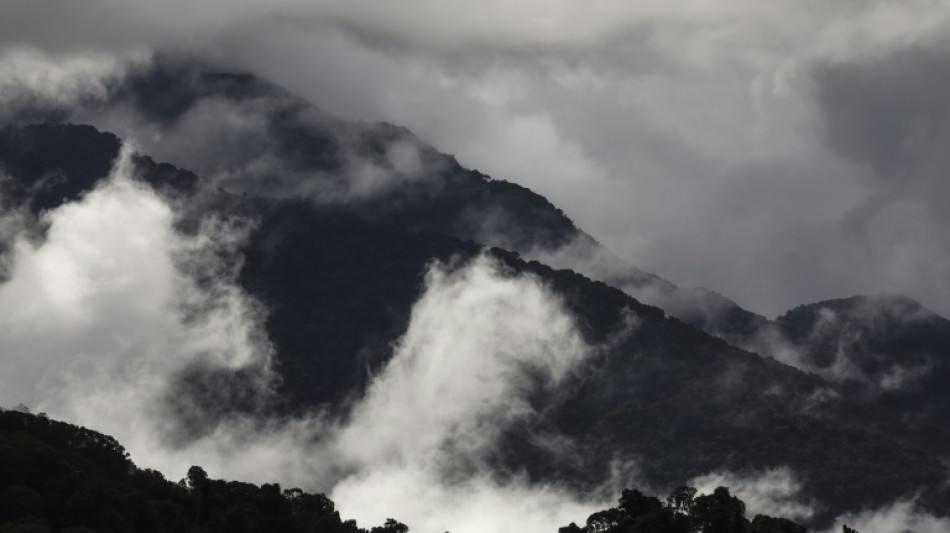
Australia's tropical rainforests are among the first in the world to start leaking more carbon dioxide than they absorb, scientists said Thursday as they linked the worrying trend to climate change.
The world's rainforests are typically thought of as crucial "carbon sinks" -- sucking huge quantities of planet-heating emissions from the atmosphere.
But new research has found rainforests in Australia's northern tropics have become net carbon emitters, "the first globally to show this response to climate change".
"Forests help to curb the worst effects of climate change by absorbing some of the carbon dioxide released by burning fossil fuels," said lead author Hannah Carle, from Western Sydney University.
"But our work shows this is under threat."
The researchers pored through records charting the growth of Queensland's rainforests over almost 50 years.
Extreme temperatures and severe droughts linked to climate change were making it harder for trees to grow, they found.
Trees store carbon dioxide in their trunks and branches as they grow but release the gas into the atmosphere when they die.
"Tropical rainforests are among the most carbon-rich ecosystems on the planet," said Carle.
"The change our study describes is largely due to increased tree mortality driven by climate change, including increasingly extreme temperatures, atmospheric dryness and drought.
"Regrettably, the associated increase in carbon losses to the atmosphere has not been offset by increased tree growth."
Co-author Adrienne Nicotra said it "remains to be seen whether Australian tropical forests are a harbinger for other tropical forests globally".
But the study, published in peer-reviewed journal Nature, suggested there was "the potential for a similar response to climate change" in other rainforests around the world.
"The rainforest sites at the heart of this research provide unusually long-term and high-resolution data on forest health through time," said Nicotra, from Australian National University.
"We need to pay attention to that data."
Despite its growing vulnerability to climate-linked natural disasters, Australia remains one of the world's biggest exporters of gas and thermal coal.
Australia's carbon dioxide emissions per person are among the highest in the world, World Bank figures show.
Global emissions have been rising but need to almost halve by the end of the decade to limit warming to safer levels agreed under the 2015 Paris climate agreement.
O.Brown--AT