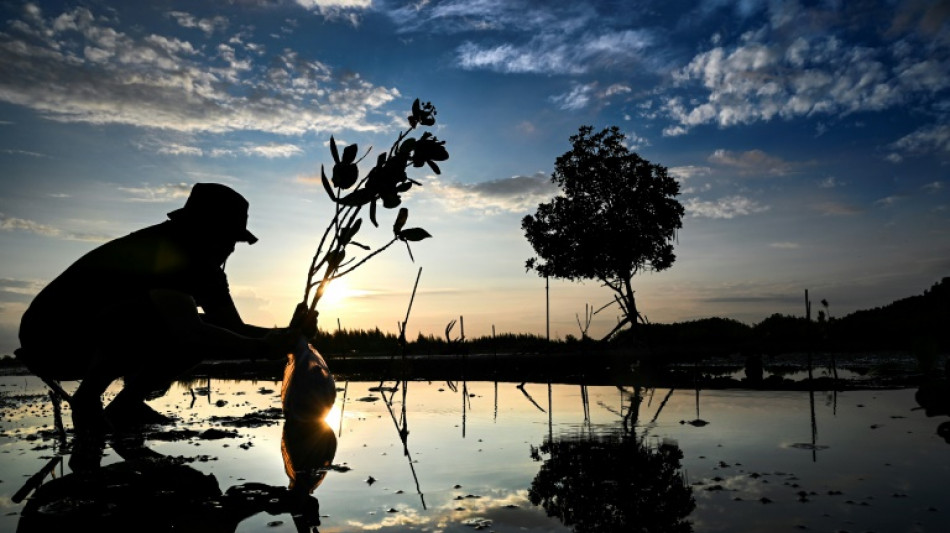
Half of mangrove ecosystems at risk: conservationists / Photo: CHAIDEER MAHYUDDIN - AFP/File

 Energy costs spark inflation surges in France, Italy

 South Korea break China hearts to reach Asian Games football final
 Eala storms into Asian Games semi-finals to thrill adoring fans

 Turkey freezes ex-minister's assets as fund crisis grows
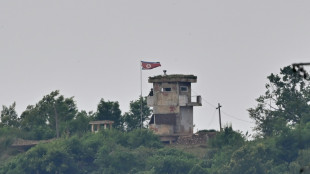
 What we know about the North Korean POW dispute

 Most equities rise after oil price plunge, US data in focus

 Polar oceans transformed as warming melts ice habitats: research

 Lost shark becomes viral star in South Korea
 Dangote to launch $16bn refinery in Kenya
 North Korean leader 'extremely obese': Seoul spy agency
 Yankees and pope-backed White Sox start MLB playoffs with wins
 Malaysia's ex-PM Mahathir in hospital for observation

 'No limits': Marathon world record holder Sawe chasing history

 Countdown begins to biggest-ever Rugby World Cup
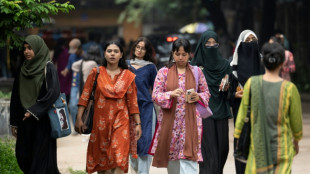 Bangladesh women lose ground after quota reform
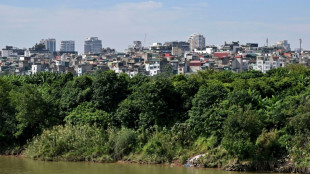 Vietnam admits 'differing opinions' on Hanoi development
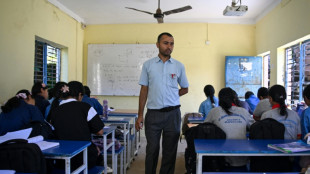
 Stocks temper gains as oil pares heavy losses, US data in focus
 New Zealand denies breaching climate commitments to EU

 Albert becomes youngest US scorer in 4-2 win over Chile
 Pirate island's plunging population shows Greece's demographic decline
 With elections ahead, Latvia's Russian-speakers reject Moscow's help
 Brazil football clubs face massive sponsorship blow from betting ban
 ChatGPT maker wants to be the App Store for AI as safety concerns grow

 Women fight fires and sexism in Indonesian Borneo

 Forsling's OT blast lifts Florida over Carolina in NHL opener

Half of the world's mangrove ecosystems are at risk of collapse due to climate change, deforestation and pollution, according to a study published Wednesday.
The International Union for Conservation of Nature (IUCN), known for its red list of threatened species, has for the first time taken stock of the world's mangroves, evaluating 36 different regions.
IUCN director general Grethel Aguilar said the assessment "highlights the urgent need for coordinated conservation of mangroves -- crucial habitats for millions in vulnerable communities worldwide".
Mangroves are trees or shrubs that grow mainly in seawater or brackish water along coastlines and tidal rivers, in equatorial climes.
Released on the International Day for Biodiversity, IUCN said its findings show that "50 percent of the mangrove ecosystems assessed are at risk of collapse" -- categorised as either vulnerable, endangered or critically endangered.
According to the assessment, 20 percent were at severe risk of collapse.
Mangroves are threatened by deforestation, development, pollution, and dam construction.
However, the risk is increasing due to sea-level rise and the greater frequency of severe storms associated with climate change.
Around 15 percent of the world's coasts are covered by mangroves, covering about 150,000 square kilometres.
- Disastrous disappearance -
Climate change threatens a third of mangrove ecosystems assessed, due to rising sea levels.
According to estimates, at the current rate, a quarter of the global area of mangroves is expected to be submerged in the next 50 years, IUCN said.
The northwest Atlantic Ocean, the northern Indian Ocean, the Red Sea, the South China Sea, and the Gulf of Aden coasts are expected to be particularly severely affected.
"Mangrove ecosystems are exceptional in their ability to provide essential services to people, including coastal disaster risk reduction, carbon storage and sequestration, and support for fisheries," said Angela Andrade, chair of the IUCN commission on ecosystem management.
"Their loss stands to be disastrous for nature and people across the globe."
The study said looking after mangroves was essential for mitigating the effects of climate change, with healthy ecosystems coping better with sea level rise and providing inland protection from the effects of severe storms.
Without significant improvement by 2050, climate change and rising sea levels will lead to the loss of 1.8 billion tonnes of carbon stored in mangroves.
Mangroves currently store nearly 11 billion tons of carbon -- almost three times the amount of carbon stored by tropical forests of the same size.
Maintaining good sediment circulation and allowing mangroves to expand inland will help them cope with sea level rise, IUCN said. It also called for the restoration of mangroves which have already disappeared.
"A very good study of mangrove change globally that was published in 2022 indicates about 5,000 square kilometres of mangrove were lost" between 1996 and 2020, IUCN's Marco Valderrabano told AFP.
T.Wright--AT
