Warmest Arctic summer caused by accelerating climate change / Photo: ANDREJ IVANOV - AFP/File

 Dangote to launch $16bn refinery in Kenya
 North Korean leader 'extremely obese': Seoul spy agency

 Yankees and pope-backed White Sox start MLB playoffs with wins

 Malaysia's ex-PM Mahathir in hospital for observation

 'No limits': Marathon world record holder Sawe chasing history

 Countdown begins to biggest-ever Rugby World Cup

 Bangladesh women lose ground after quota reform

 Vietnam admits 'differing opinions' on Hanoi development

 Stocks temper gains as oil pares heavy losses, US data in focus

 New Zealand denies breaching climate commitments to EU

 Albert becomes youngest US scorer in 4-2 win over Chile

 Pirate island's plunging population shows Greece's demographic decline
 With elections ahead, Latvia's Russian-speakers reject Moscow's help

 Brazil football clubs face massive sponsorship blow from betting ban

 ChatGPT maker wants to be the App Store for AI as safety concerns grow

 Women fight fires and sexism in Indonesian Borneo

 Forsling's OT blast lifts Florida over Carolina in NHL opener

 Alpha Growth Management Opens Rep Office in Japan

 NBA close to picking new $12-13bn Vegas team owners: report

 LA28 Olympics torch relay to visit all 50 states

 Spain brush aside Croatia in Nations League, England down Czechs

 Trump hails 'morally binding' AI self-regulation pledge

 Yamal inspires Spain to Croatia romp on World Cup homecoming

 UN to hold fourth informal poll of secretary-general candidates

 Who are the Emiratis behind crisis-hit Manchester City?

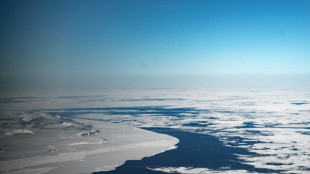
Summer surface air temperatures in 2023 were the warmest ever observed in the Arctic as a result of accelerating human-caused climate change, an official report card published Tuesday said.
The average temperature from the months of July-September was 43 degrees Fahrenheit (6.4 Celsius), the highest since record-keeping began in 1900.
"The overriding message from this year’s report card is that the time for action is now," National Oceanic and Atmospheric Administration administrator Rick Spinrad said in a statement.
"We as a nation and global community must dramatically reduce greenhouse gas emissions that are driving these changes."
Average summer temperatures have been rising 0.31 F (0.17 C) per decade.
Overall, it was the Arctic's sixth warmest year, at 20 degrees Fahrenheit (-7 C).
Now in its 18th year, the NOAA Arctic Report Card is the work of 82 authors across 13 countries.
Observations from this year's report emphasize an ongoing trend line of warming sea and air temperatures, decreasing snow cover, diminishing sea ice, and continued melting of the Greenland Ice Sheet.
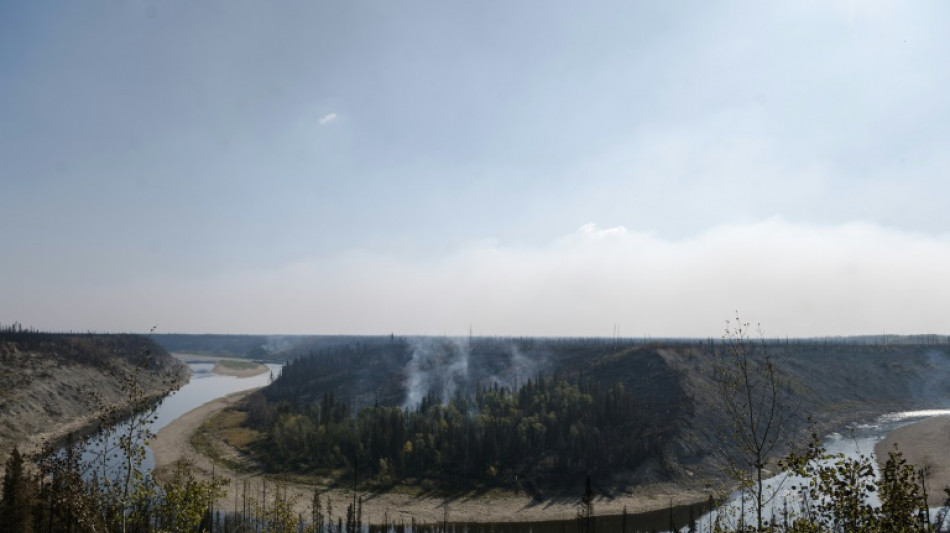
But the year also brought high impact events that had the "clear signature" of climate change, for example the Canadian Arctic experienced its worst wildfire season on record, causing the evacuation of 20,000 people from the town of Yellowknife in August.
Also in August, a glacial lake near Juneau, Alaska burst through its dam, causing massive flooding and property damage along the Mendenhall River, as a result of two decades of glacial thinning.
The long term warming trend has a variety of uneven impacts across ecosystems and food webs that people rely upon.
For example, sockeye salmon reached a record-high abundance in Bristol Bay, Alaska in the years 2021 and 2022.
The species, a staple of commercial fisheries, has thrived under warmer waters, which allow juveniles to grow faster in lakes and increase their odds of survival when they reach the ocean.
On the other hand, chinook and chum salmon have drastically declined following heat waves that negatively impact their growth rates, contributing to smaller adults.
Another chapter of the report examines subsea permafrost, a field that is relatively little known, even among scientists -- though potentially an important source of greenhouse gas emissions.
As the world emerged from the last ice age, rising ocean waters in the Arctic covered permafrost, transforming it into subsea permafrost over thousands of years.
"An estimated 2.5 million km2 of subsea permafrost remains today, but it continues to thaw due to the original ocean inundation event and more recent, rapid Arctic warming," the report said.
B.Torres--AT