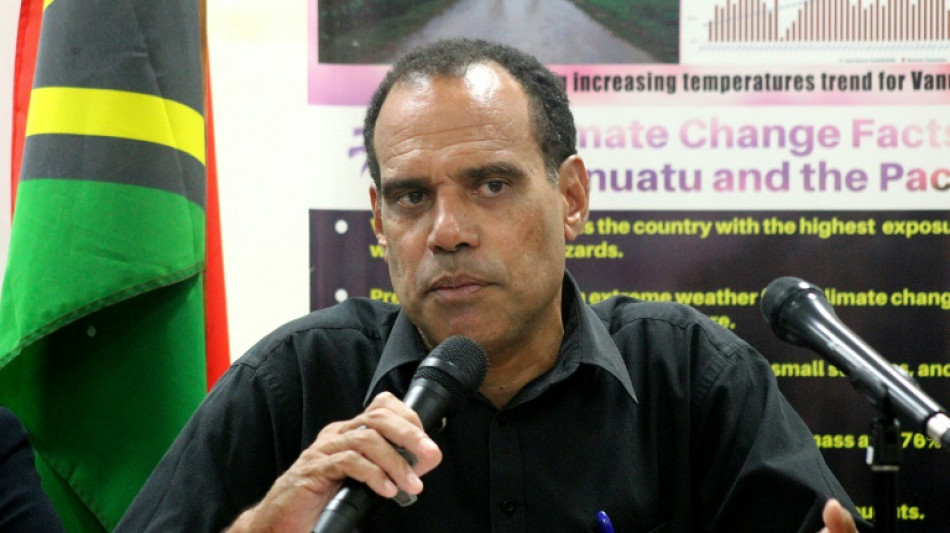
Pacific ire at Australia's backing for fossil fuels / Photo: Hilaire Bule - AFP/File

 Alleged Rihanna mansion shooter mentally fit for trial, says judge
 Mystery over UK airbase scare as police find petrol not explosives

 OpenAI unveils low-cost AI model, a day after shelving Astra upgrade
 Premier League confirms Man City guilty of serious financial breaches
 Brazil's Lula turns to Bad Bunny tune to criticise Trump ahead of polls

 Nigerian dancer eyes world record after seven-day marathon
 Swiss regulator concludes Julius Baer bank probe
 Brazil's patron saint pulled into latest election scrap

 Football overload leaves players near 'breaking point', warns Tebas
 Paris Eiffel Tower says chief to step down after uproar over removing women staff

 Amaze Holdings (NYSE: AMZE) Executes Binding LOI to Acquire BullionFX | Alchemy, a Decentralized Gold-Backed Financial Ecosystem for Valued at US$155 Million
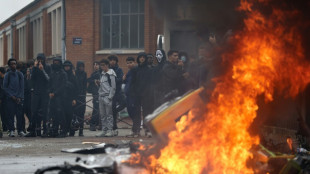 Clashes between French teens, police as school blockades intensify
 Stocks move sideways despite oil moving lower
 African leaders to gather in Egypt for business summit
 UK decides against charging foreign visitors for museums

 Dallaglio to sell England World Cup winners' medal

 Brazil come from behind to beat Australia 4-2 in friendly

 Ruthless An retains Asian Games badminton crown as Kunlavut triumphs

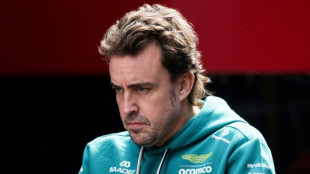 Alonso to stay with F1 team Aston Martin in 2027
 China badminton 'still strong' despite Asian Games slump
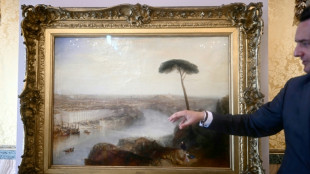 'Exceptional' Turner painting shown in Rome before sale
 European stocks climb as oil dips

 Spain aims to ban evictions until 2030 amid housing protests

 Kunlavut first Thai man to win Asian Games badminton singles gold
 French far right says antisemitism claims part of 'total war' to derail presidency bid

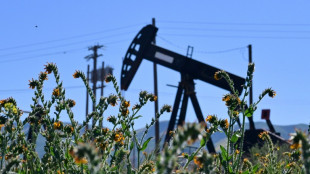
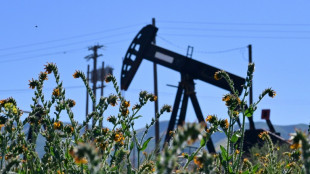
Pacific Islands expressed dismay on Thursday at Australia's subsidies for fossil fuels, flagging climate concerns as a point of friction between the neighbouring nations.
Two Pacific ministers appeared in a joint livestream to condemn Australia's long and continuing enthusiasm for coal and gas projects.
Vanuatu's Climate Change Minister Ralph Regenvanu welcomedAustralia's pledge last year to transition towards renewable energy but said it must stop funding climate-damaging projects.
"We are very disappointed to see that Australia continues to subsidise fossil fuel projects," Regenvanu told The Australia Institute, a Canberra-based think tank.
"We need money in the renewable energy sector. That's where the future of our economies and our societies lies -- not in the fossil fuel industry."
Regenvanu questioned why Canberra continues to pump "billions of dollars into the fossil fuel industry, which we in the Pacific have agreed, including Australia, is the greatest threat to our security".
Vanuatu is a small archipelago and, like many Pacific Island nations, is threatened by rising sea levels.
Speaking alongside Regenvanu, Tuvalu's Finance Minister Seve Paeniu said Pacific nations are currently weighing a commitment to make the region fossil-free.
"The idea is to stop any further expansion of fossil fuel" and to eliminate consumption of coal, oil and natural gases, Paeniu said.
"It's a matter of our security and our survival."
Tuvalu, midway between Hawaii and Australia, is one of the smallest nations in the world, made up of less than 26 square kilometres (10 square miles) and shrinking fast.
"Our land is constantly being eaten away," Paeniu said. "And we know that fossil fuel is the cause of climate change."
- 'One step forwards' -
Australia has pledged that 82 percent of its electricity will come from renewable sources by 2030. The current figure is around 30 percent.
But it is one of the world's largest coal and gas exporters and a series of governments have resisted pressure to scale back the industries.
The centre-left Labor government approved a new coal mine last month, sparking anger from environmental groups.
Australia and its allies, including the United States, are currently locked in a battle with China for influence across the Pacific.
Australia's relationship with fossil fuels is a constant irritant.
Regenvanu described Australia as Vanuatu's greatest trade partner but said there are tensions in the relationship over climate change.
He accused Australia of "not recognising the main security threat to the Pacific".
Vanuatu is still under a state of emergency after being battered this year by an "unprecedented event of two Category Four cyclones within a few days", Regenvanu said.
He estimates fixing the damage will cost more than 40 percent of Vanuatu's gross domestic product, which the International Monetary Fund puts at around US$1 billion.
"It's like you take one step forwards and two backwards in terms of economic development," Regenvanu said.
"We're not seeing the emissions reduction that we need to see happen."
P.Hernandez--AT