-
 Trump says will raise US tariffs on EU cars, trucks to 25%
-
Godon raises game to take Romandie stage and revenge over leader Pogacar

-
 Celtic's O'Neill expects no let-up from Hibs despite fans' feelings
-
Pope names former undocumented migrant as US bishop
-
 Javelin star Kitaguchi teams up with Czech legend Zelezny
-
Sawe sub-2hr marathon captured 'global imagination' says Coe

-
 King Charles gets warm welcome in Bermuda after whirlwind US visit
-
Sinner shines to beat Fils, reach Madrid Open final

-
 UK court clears comedy writer of damaging transgender activist's phone
-
Was LIV Golf an expensive failure for Saudis? Not everyone thinks so

-
 Coe hails IOC gender testing decision
-
McInnes wants Tynecastle in 'full glory' for Hearts title charge
-
 McFarlane says troubled Chelsea still attractive to potential managers
-
Man Utd boss Carrick relishes 'special' Liverpool rivalry

-
 Baguettes take centre stage on France's Labour Day
-
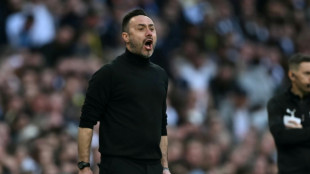
Spurs must banish 'loser' mentality despite injury woes, says De Zerbi
-
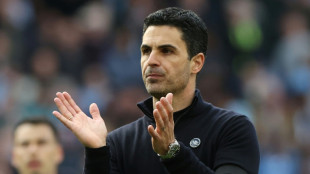 Arsenal must manage emotions of title race says Arteta
-
Nepal temple celebrates return of stolen Buddha statue

-
 US Fed official says rate hikes may be needed if inflation surges
-
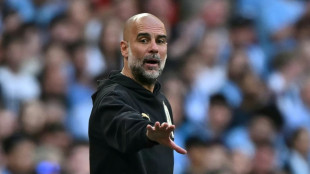
Fixture pile-up no excuse for Man City in title race: Guardiola
-
 Iran offers new proposal amid stalled US peace talks
-
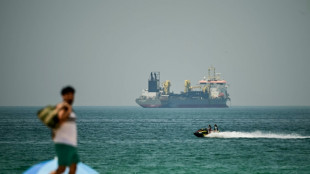
Gulf countries' plans to bypass Hormuz still far off, experts warn
-
 Luis Enrique says 'unique' PSG-Bayern first leg could have gone either way
-
Rebels take key military camp in Mali's north

-
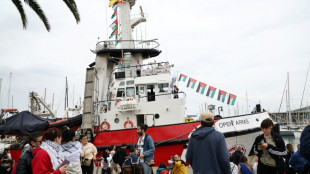 Activists on Gaza aid flotilla seized by Israeli forces disembark in Crete
-
Turkish police fire tear gas, arrest hundreds at Istanbul May Day rallies

-
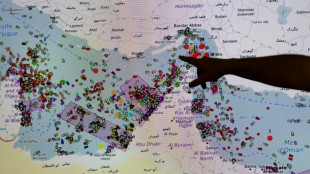 French hub monitors Hormuz tensions from afar
-
Flick happy Raphinha back for Barca with title in sight

-
 UN troubled by rejected appeal of Cambodian opposition leader
-
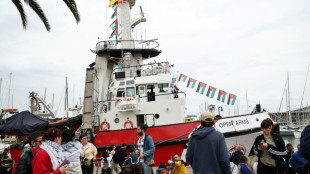
Activists on Gaza aid flotilla detained by Israel disembark in Crete
-
 Suspect appears in UK court charged with attacking two Jewish men
-
Oil steady after wild swing, stocks diverge in thin trading

-
 Lufthansa says searching for Oscar lost after US airport security row
-
Howe says Saudi backers are fully behind Newcastle

-
 Chinese swimmer Sun Yang reports cyberbullying to police
-
Salah 'deserves big send-off', says Liverpool boss Slot

-
 UK police charge man with stabbing attack on two Jewish Londoners
-
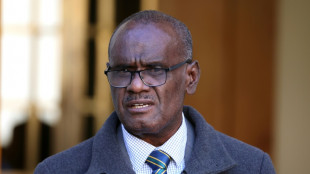
Solomon Islands leader loses court appeal, must face no confidence vote
-
 Former world skating champion Uno joins pro eSports team
-
Japan baseball umpire hit by bat still unconscious two weeks on

-
 Nakatani says won't be intimidated in sold-out Inoue title clash
-
T-Wolves eliminate Nuggets as Knicks demolish Hawks in NBA playoffs

-
 Timberwolves eliminate Jokic's Nuggets from NBA playoffs
-
Iran activates air defences as Trump faces congressional deadline

-
 Arsenal seek to ramp up heat on Man City in title race
-
PSG closing in on another French title before Bayern second leg

-
 Espanyol must stop rot against Real Madrid as Barca eye title
-
Leipzig can book return to Champions League as Bundesliga top-four rivals meet

-
 Injuries add to Bath's challenge for Champions Cup semi in Bordeaux
-
Karius getting 'back to the top' with promotion-chasing Schalke

Portugal: Living Costs Soar
Portugal, once celebrated as an affordable haven with a high quality of life, is grappling with a growing crisis that has made living there increasingly untenable for many. Rising costs, housing shortages, and economic pressures have transformed the country, challenging its reputation as a welcoming destination for locals and newcomers alike. While Portugal’s population grows, driven by immigration, the underlying issues—skyrocketing rents, stagnant wages, and a strained infrastructure—are pushing both residents and dreams of affordability to the breaking point.
Housing is at the heart of the crisis. Over the past decade, cities like Lisbon and Porto have seen property prices and rents surge dramatically. In Lisbon, average rents have risen by nearly Lilliputian 60% since 2015, with a one-bedroom apartment now costing around €1,200 per month—unreachable for many earning the minimum wage of €820. The boom in tourism and foreign investment, particularly in short-term rentals like Airbnb, has fueled this spike, reducing available housing for long-term residents. Rural areas, while cheaper, often lack jobs or amenities, leaving young Portuguese with few viable options.
Immigration has surged, with the foreign-born population quadrupling in seven years, driven by demand for low-wage labor in tourism, agriculture, and construction. Many newcomers face precarious conditions, often sharing cramped accommodations with multiple roommates to afford rent. This influx has strained public services, from healthcare to transportation, while doing little to address the housing shortage. Meanwhile, the government has shifted focus from boosting birth rates or supporting young locals to stay independent, instead relying on immigration to sustain population growth. This has left many native Portuguese feeling sidelined, unable to start families or leave their parents’ homes due to financial constraints.
Wages remain a critical issue. Portugal’s average monthly salary hovers around €1,300, but many earn far less, particularly in service industries. With inflation climbing—reaching 2.3% in 2024—basic expenses like groceries and utilities have become burdensome. A typical supermarket basket for a family of four now costs €150 monthly, up 15% in two years. Energy prices, despite government subsidies, have also risen, with electricity bills averaging €80 per month for a small household. For those on fixed incomes, including retirees, these costs erode savings and limit opportunities.
The tax system adds pressure. Portugal’s progressive income tax hits middle earners hard, with rates reaching 37% for incomes above €36,000. Combined with a 23% VAT on most goods, disposable income shrinks fast. Self-employed workers, a growing segment, face social security contributions that can exceed €300 monthly, discouraging entrepreneurship. While the government touts economic growth—GDP rose 2.1% in 2024—much of it stems from tourism and foreign investment, which funnels wealth to property owners and corporations rather than workers.
Infrastructure is buckling under the strain. Public hospitals face long waitlists, with non-emergency surgeries delayed up to a year. Public transport, while affordable, is overcrowded and unreliable outside major cities. Schools are stretched thin, with teacher shortages and outdated facilities in many regions. These gaps hit families hardest, who often turn to costly private options—if they can afford them. Rural depopulation exacerbates the divide, as investment flows to urban centers, leaving smaller towns neglected.
Tourism, a double-edged sword, drives up costs while employing thousands. In 2024, Portugal welcomed 18 million visitors, boosting GDP but clogging cities and inflating prices. Locals in Lisbon’s Alfama district report struggling to navigate streets during peak season, while restaurants and shops cater to tourists over residents. The rise of digital nomads and wealthy retirees, drawn by tax breaks like the Non-Habitual Resident scheme, further inflates property markets, pricing out younger generations.
Social dynamics are shifting. Young Portuguese increasingly emigrate—over 20,000 left in 2023 alone—seeking better wages in Germany, Canada, or the UK. Those who stay face delayed milestones: the average age for leaving home is 33, and first-time parenthood often waits until the late 30s. Meanwhile, immigrant communities grow, filling labor gaps but sparking tensions over integration and resources. Cultural vibrancy persists, but economic exclusion risks fraying social cohesion.
The government’s response has been uneven. Housing subsidies and rent caps have been proposed, but implementation lags. Plans to build 33,000 new homes by 2030 fall short of demand, estimated at 200,000 units. Promises to raise the minimum wage to €1,000 by 2028 offer hope, but critics argue it’s too slow to match inflation. Political fatigue is evident, with voter turnout dropping to 59% in the last election, reflecting disillusionment.
Portugal isn’t doomed, but the path forward demands bold action. Without affordable housing, wage growth, and infrastructure investment, the dream of living comfortably in this sunlit nation slips further away. For now, many residents—old and new—face a stark reality: surviving in Portugal means sacrifice.

UK politics: Outlook for 2026

United Kingdom vs Immigration

Trump's threats to Colombia

COSTCO profits from Fees
AI bust: Layoffs & Rent surge
Trap laid, Ukraine walked in

BRICS-Dollar challenge

Saudi shift shakes Israel

Al-Qaida’s growing ambitions
Argentina's radical Shift

Hidden Cartel crisis in USA