
-
 Coe hails IOC gender testing decision
-
McInnes wants Tynecastle in 'full glory' for Hearts title charge
-
 McFarlane says troubled Chelsea still attractive to potential managers
-
Man Utd boss Carrick relishes 'special' Liverpool rivalry
-
 Baguettes take centre stage on France's Labour Day
-
Spurs must banish 'loser' mentality despite injury woes, says De Zerbi
-
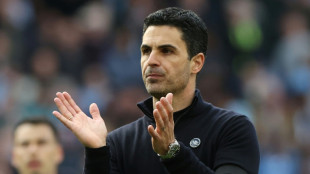 Arsenal must manage emotions of title race says Arteta
-
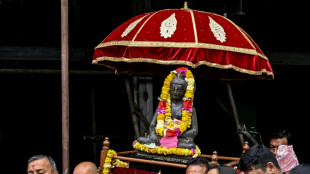
Nepal temple celebrates return of stolen Buddha statue
-
 US Fed official says rate hikes may be needed if inflation surges
-
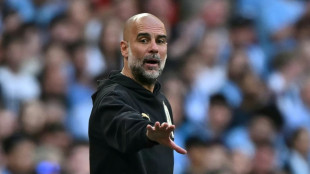
Fixture pile-up no excuse for Man City in title race: Guardiola
-
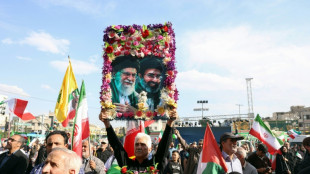 Iran offers new proposal amid stalled US peace talks
-
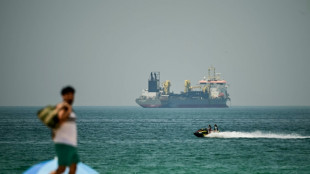
Gulf countries' plans to bypass Hormuz still far off, experts warn
-
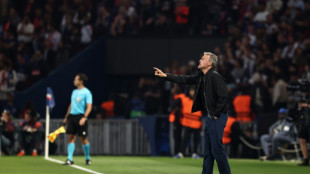 Luis Enrique says 'unique' PSG-Bayern first leg could have gone either way
-
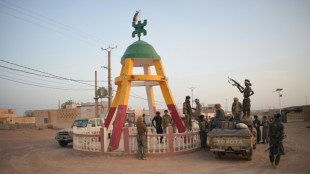
Rebels take key military camp in Mali's north
-
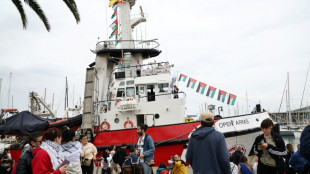 Activists on Gaza aid flotilla seized by Israeli forces disembark in Crete
-
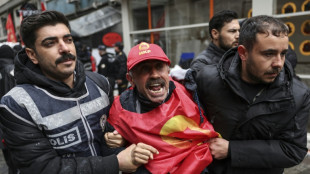
Turkish police fire tear gas, arrest hundreds at Istanbul May Day rallies
-
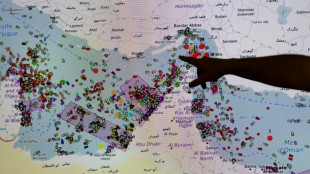 French hub monitors Hormuz tensions from afar
-
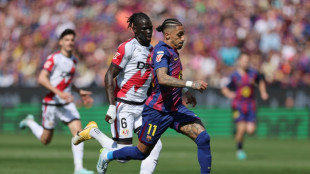
Flick happy Raphinha back for Barca with title in sight
-
 UN troubled by rejected appeal of Cambodian opposition leader
-
Activists on Gaza aid flotilla detained by Israel disembark in Crete
-
 Suspect appears in UK court charged with attacking two Jewish men
-
Oil steady after wild swing, stocks diverge in thin trading

-
 Lufthansa says searching for Oscar lost after US airport security row
-
Howe says Saudi backers are fully behind Newcastle

-
 Chinese swimmer Sun Yang reports cyberbullying to police
-
Salah 'deserves big send-off', says Liverpool boss Slot
-
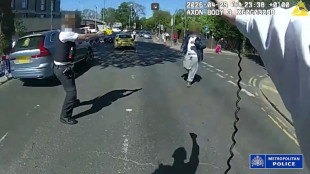 UK police charge man with stabbing attack on two Jewish Londoners
-
Solomon Islands leader loses court appeal, must face no confidence vote
-
 Former world skating champion Uno joins pro eSports team
-
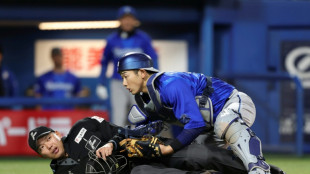
Japan baseball umpire hit by bat still unconscious two weeks on
-
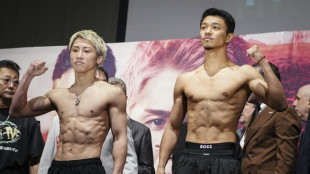 Nakatani says won't be intimidated in sold-out Inoue title clash
-
T-Wolves eliminate Nuggets as Knicks demolish Hawks in NBA playoffs
-
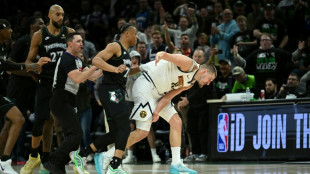
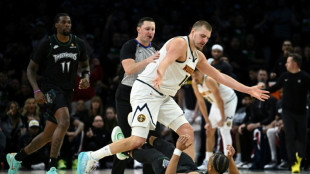 Timberwolves eliminate Jokic's Nuggets from NBA playoffs
-
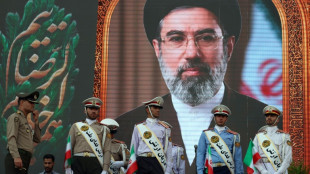
Iran activates air defences as Trump faces congressional deadline
-
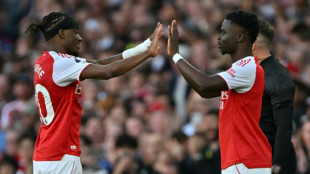 Arsenal seek to ramp up heat on Man City in title race
-
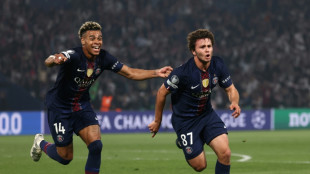
PSG closing in on another French title before Bayern second leg
-
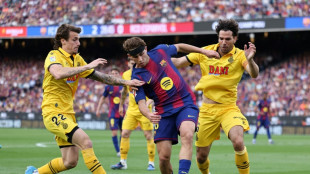 Espanyol must stop rot against Real Madrid as Barca eye title
-
Leipzig can book return to Champions League as Bundesliga top-four rivals meet
-
 Injuries add to Bath's challenge for Champions Cup semi in Bordeaux
-
Karius getting 'back to the top' with promotion-chasing Schalke
-
 King Charles arrives in Bermuda after whirlwind US visit
-
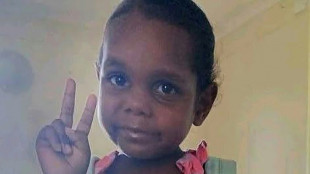
Clashes erupt in Australian town over death of Indigenous girl
-
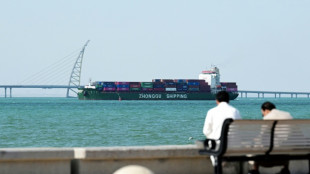 Iran war redraws sea routes with Africa as the pivot
-
India's cows offer biogas alternative to Mideast energy crunch

-
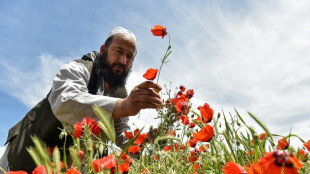 Afghans celebrate spring in bright red poppy fields
-
Finland's 'Flamethrower' and 4 other Eurovision favourites

-
 Crude edges up after wild swing, stocks track Wall St rally
-
Eurovision: 70 years of geopolitics, patriotism, music and glitter
-
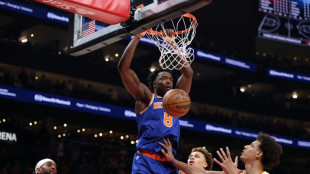 Knicks demolish Hawks to advance in NBA playoffs
-
Blockbuster EU-Mercosur trade deal enters into force
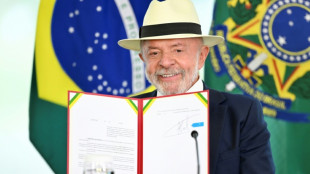
Ukraine: Problem with the ceasefire?
As the war in Ukraine grinds towards its fourth year, a new proposal for a 30-day ceasefire has emerged from U.S. diplomatic circles, touted as a potential stepping stone to de-escalation. Russia's nefarious dictator and war criminal Vladimir Putin (72) has signalled cautious receptivity, provided the truce addresses the "root causes" of the conflict, while Ukrainian leaders remain wary. On the surface, a pause in hostilities offers a glimmer of relief for a war-weary population. Yet, beneath the diplomatic veneer, the proposed ceasefire is riddled with problems—strategic, political, and practical—that threaten to undermine its viability and, worse, exacerbate an already volatile situation.
A Temporary Fix with No Clear Endgame
The most glaring issue with the ceasefire is its brevity. At 30 days, it offers little more than a fleeting respite, unlikely to resolve the deep-seated issues fuelling the war. Russia’s demand to tackle "root causes"—a thinly veiled reference to its territorial ambitions and opposition to Ukraine’s NATO aspirations—clashes directly with Kyiv’s insistence on full sovereignty and the restoration of pre-2014 borders. Without a framework for meaningful negotiations, the ceasefire risks becoming a mere intermission, allowing both sides to regroup and rearm rather than pursue peace.
Historical precedent supports this scepticism. The Minsk agreements of 2014 and 2015, intended to halt fighting in eastern Ukraine, collapsed amid mutual accusations of bad faith. A short-term truce now, absent a robust enforcement mechanism or mutual trust, could follow a similar trajectory, leaving civilians to bear the brunt when hostilities inevitably resume.
The Strategic Dilemma for Ukraine
For Ukraine, the ceasefire poses a strategic conundrum. President Volodymyr Zelensky has spent years rallying domestic and international support around the mantra of "no concessions" to Russian aggression. Pausing the fight now, especially after the recent loss of territory in Russia’s Kursk region, could be perceived as a sign of weakness, emboldening Moscow and disheartening Kyiv’s allies. Ukrainian commanders, including Oleksandr Syrskii, have prioritised preserving troop strength, but a ceasefire might freeze their forces in disadvantageous positions, particularly along the eastern front, where Russia continues to press its advantage.
Moreover, the timing is suspect. The temporary suspension of U.S. intelligence support earlier this year left Ukraine reeling, and while that assistance has resumed, Kyiv remains on the back foot. A ceasefire now could lock in Russia’s recent gains, including reclaimed territory in Kursk, without guaranteeing reciprocal concessions. For a nation fighting for survival, this asymmetry is a bitter pill to swallow.
Russia’s Leverage and Bad Faith
On the Russian side, the ceasefire proposal raises questions of intent. Putin’s willingness to entertain a truce comes as his forces, bolstered by North Korean reinforcements, have regained momentum. The Kremlin may see the pause as an opportunity to consolidate control over occupied regions, reinforce supply lines, and prepare for a spring offensive—all while avoiding the political cost of appearing to reject peace outright. Moscow’s track record of violating ceasefires, from Donbas to Syria, fuels Ukrainian fears that any lull would be exploited rather than honoured.
The involvement of North Korean troops adds another layer of complexity. Their presence, a breach of international norms, has drawn muted criticism from Western powers, yet the ceasefire proposal does not explicitly address this escalation. Without mechanisms to monitor or reverse such foreign involvement, the truce risks legitimising Russia’s reliance on external support, further tilting the battlefield in its favour.
The Humanitarian Paradox
Proponents argue that a ceasefire would alleviate civilian suffering, particularly as winter tightens its grip on Ukraine’s battered infrastructure. Yet, this humanitarian promise is fraught with paradox. Russia has repeatedly targeted energy grids and civilian areas, a tactic likely to persist during any truce unless explicitly prohibited and enforced. A 30-day pause might allow limited aid delivery, but without guarantees of safety or a longer-term commitment, it could also delay the broader reconstruction Ukraine desperately needs.
For Ukrainian refugees and displaced persons—numbering in the millions—a temporary ceasefire offers no clarity on when, or if, they can return home. Meanwhile, Russian authorities in occupied territories have accelerated "Russification" efforts, including forced conscription and passportisation, which a short truce would do little to halt.
The Absence of Enforcement
Perhaps the most damning flaw is the lack of an enforcement mechanism. Who would monitor compliance? The United Nations, hamstrung by Russia’s Security Council veto, is ill-equipped to intervene. NATO, while supportive of Ukraine, has stopped short of direct involvement, and independent observers lack the authority to deter violations. Without a credible arbiter, the ceasefire hinges on goodwill—a commodity in short supply after years of bloodshed and broken promises.
A Fragile Hope Undermined by Reality
The proposed ceasefire reflects a well-intentioned but flawed attempt to pause a war that defies easy resolution. For Ukraine, it risks entrenching losses without securing gains; for Russia, it offers a chance to regroup under the guise of diplomacy. For both, it lacks the substance to bridge their irreconcilable aims. As the U.S. and its allies prepare to table the proposal, they must confront an uncomfortable truth: a truce that fails to address the conflict’s underlying drivers—or to enforce its terms—may do more harm than good, prolonging a war it seeks to pause.
In Kyiv, where resilience has become a way of life, the mood is one of cautious defiance. "We want peace," a senior Ukrainian official remarked this week, "but not at the cost of our future." Until the ceasefire’s proponents can answer that concern, its promise remains as fragile as the front lines it aims to still.
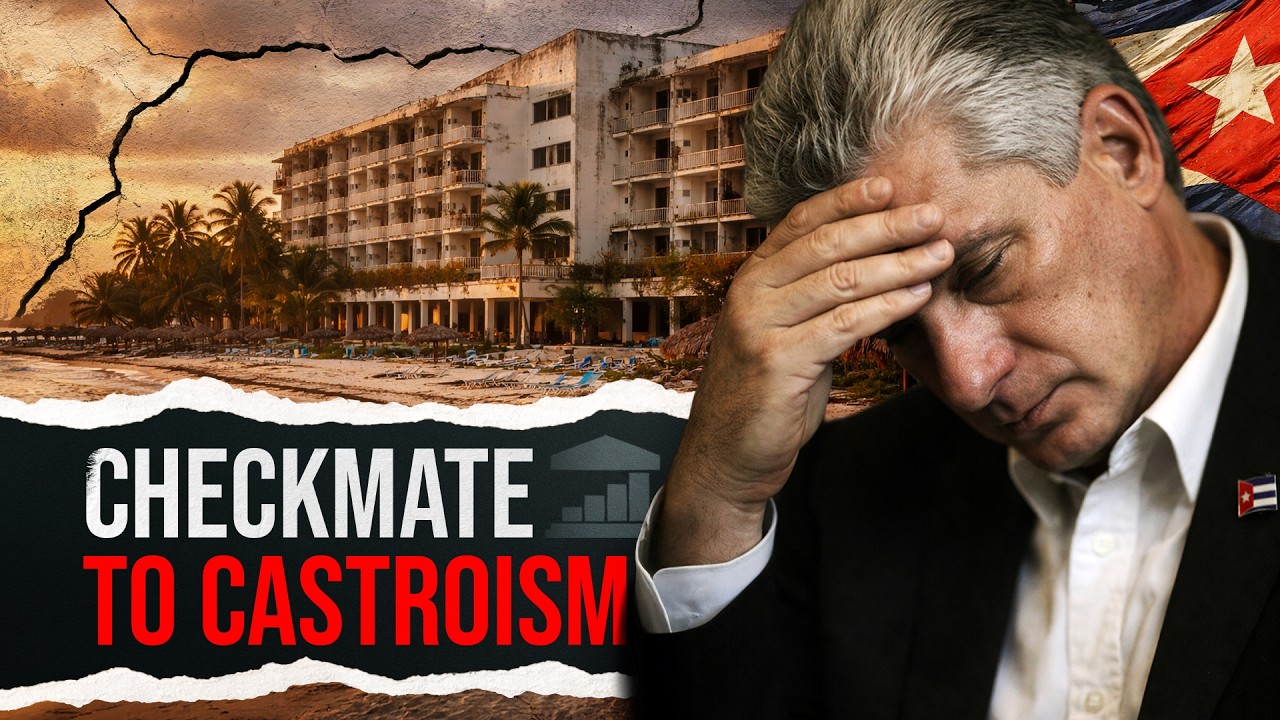
Cuba's golden Goose dies
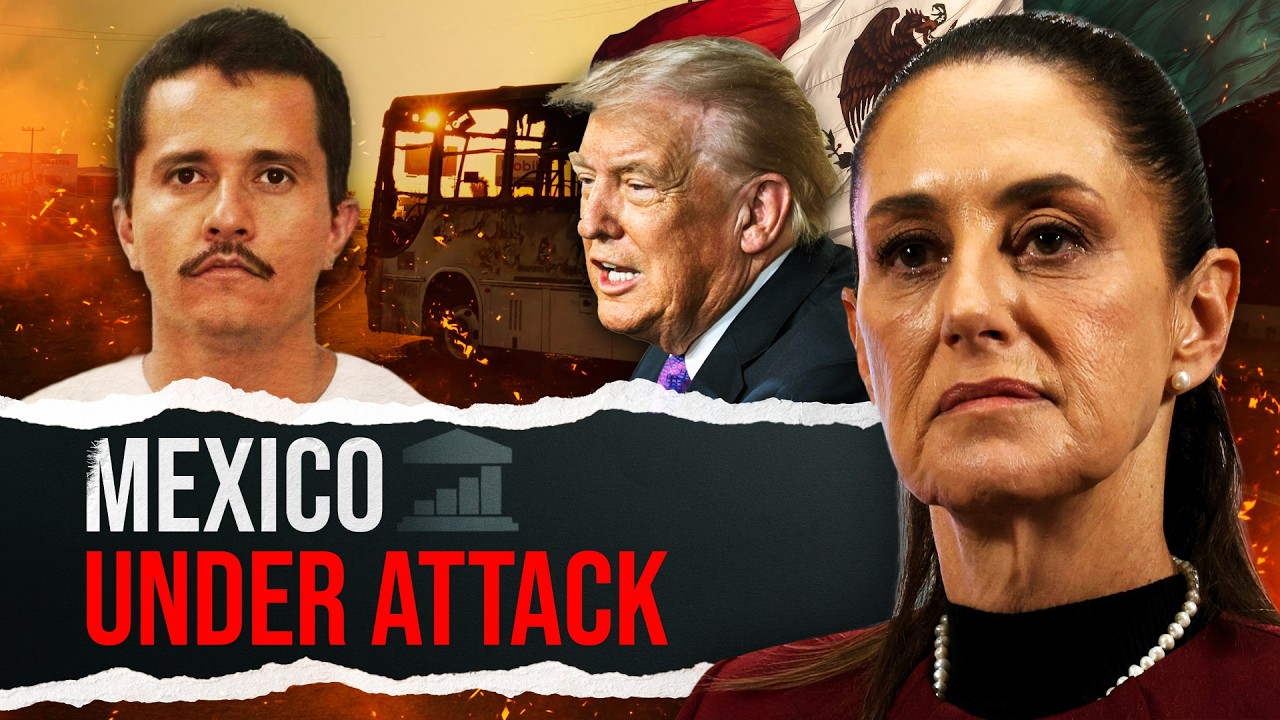
Mexico after El Mencho falls

Nicaragua on the brink?
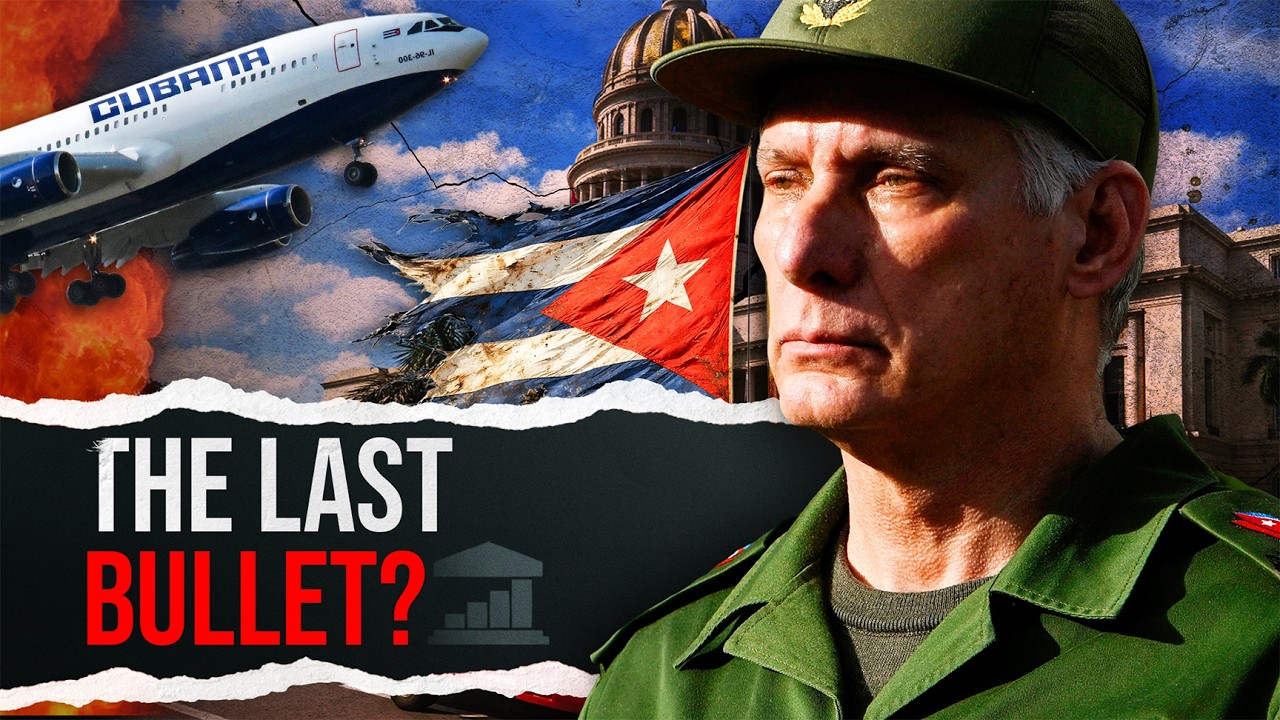
Cuba: The Regime's last Card
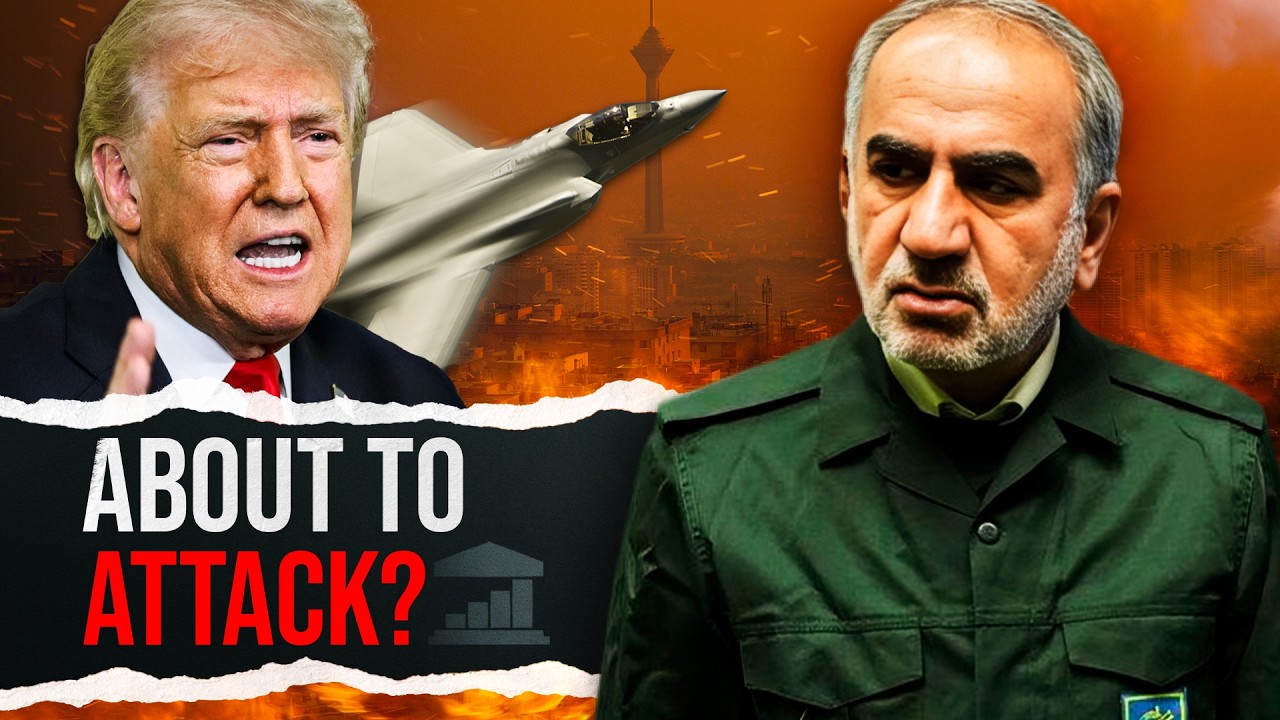
Strike fears rise over Iran
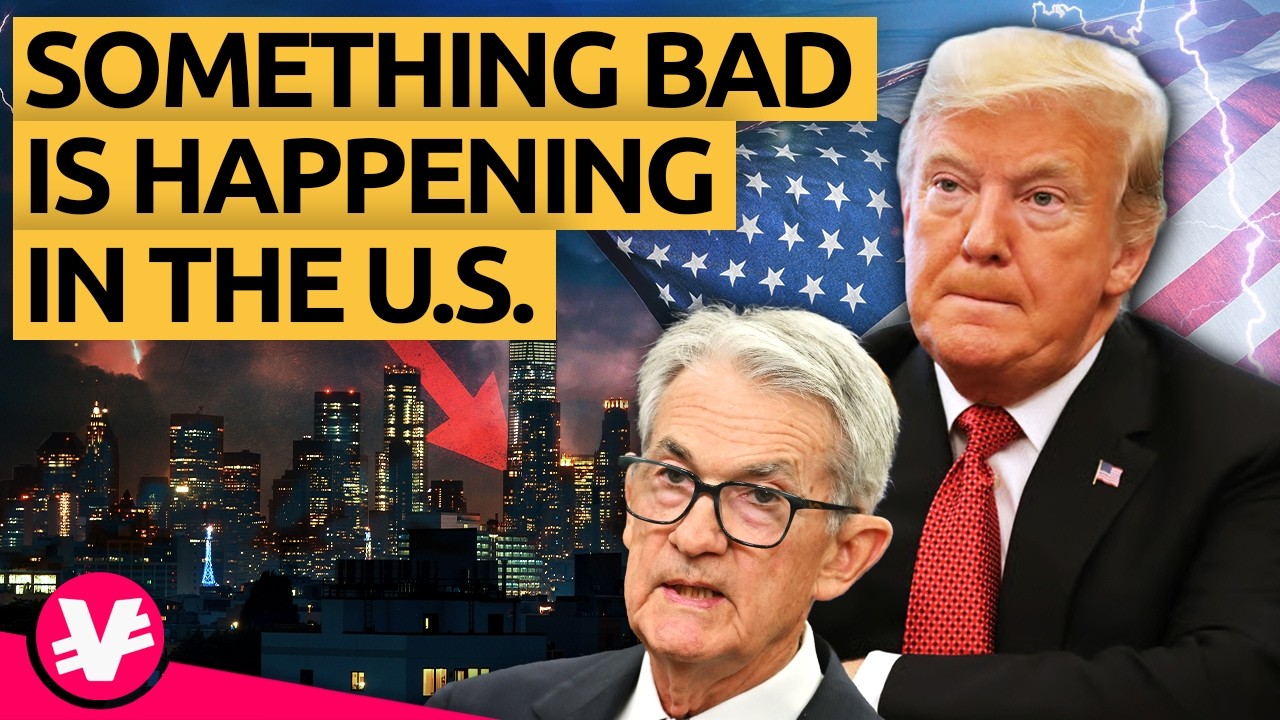
U.S. Jobs stall, gdp slows
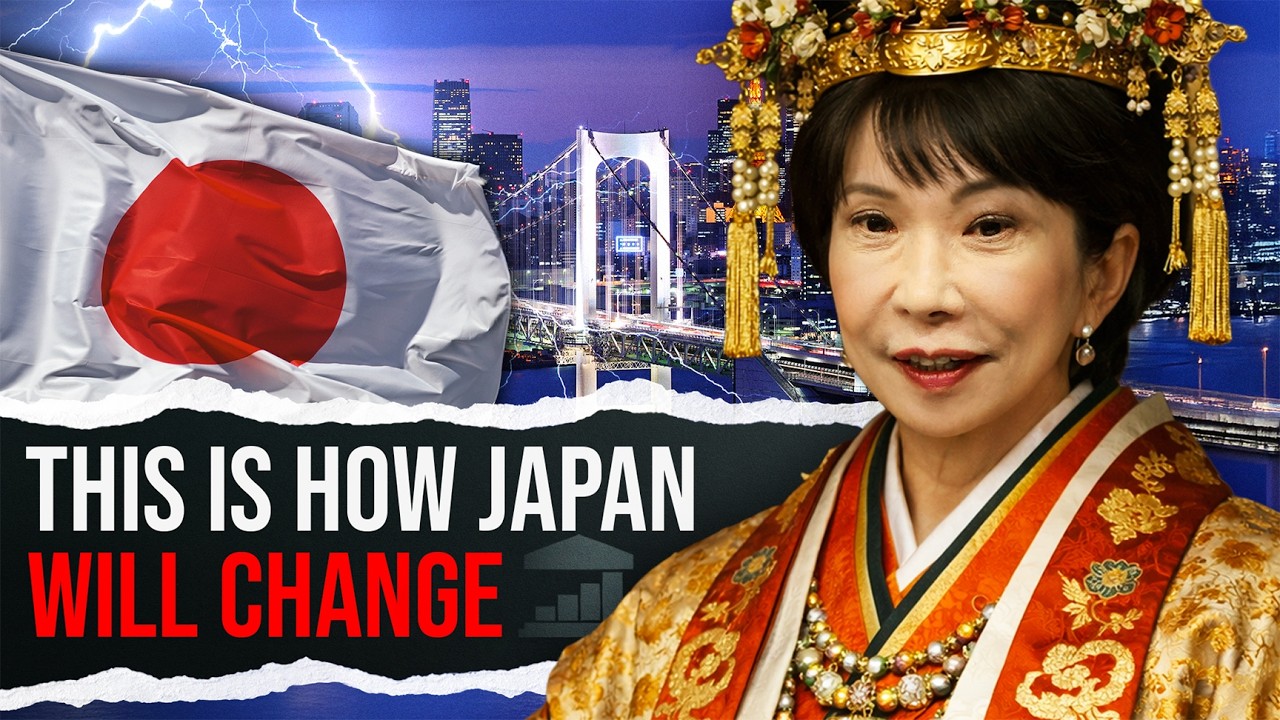
Japan’s right‑turn triumph
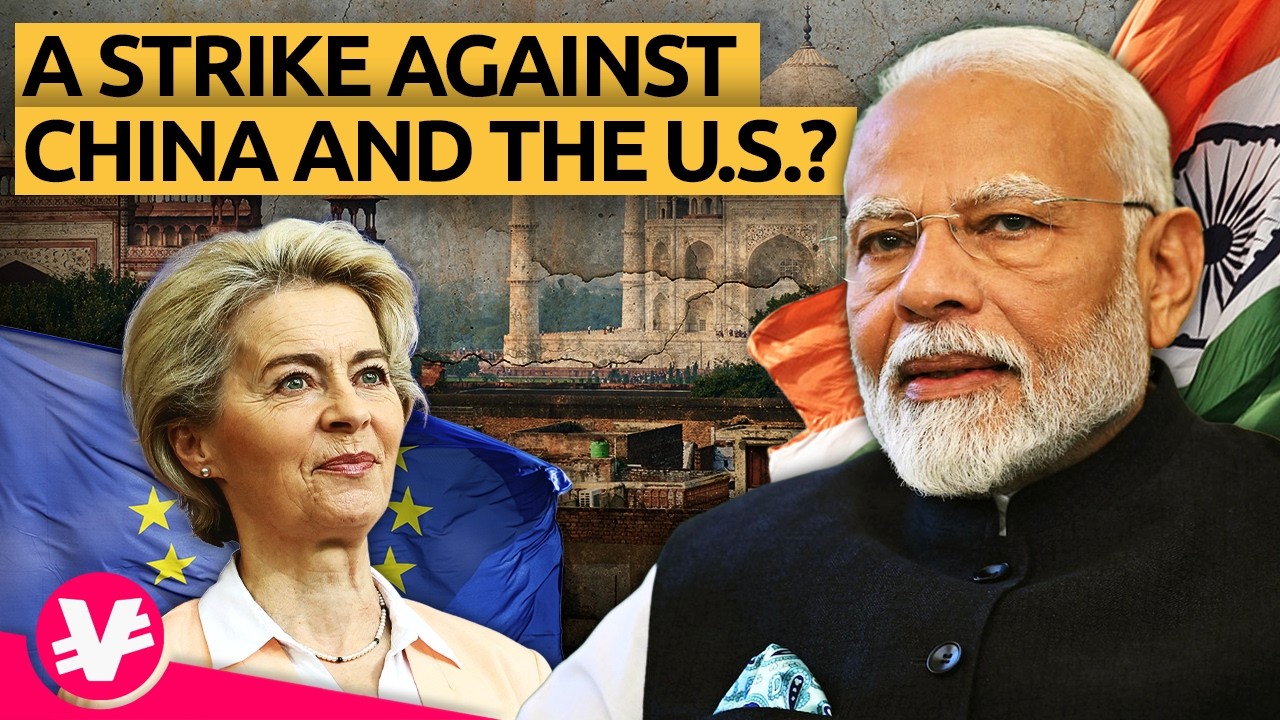
EU India deal gains unveiled

AI sparks Wall Street panic
India defies U.S. tariffs

EU misstep on mercosur Deal



