-
 Sawe sub-2hr marathon captured 'global imagination' says Coe
-
King Charles gets warm welcome in Bermuda after whirlwind US visit
-
 Sinner shines to beat Fils, reach Madrid Open final
-
UK court clears comedy writer of damaging transgender activist's phone
-
 Was LIV Golf an expensive failure for Saudis? Not everyone thinks so
-
Coe hails IOC gender testing decision
-
 McInnes wants Tynecastle in 'full glory' for Hearts title charge
-
McFarlane says troubled Chelsea still attractive to potential managers

-
 Man Utd boss Carrick relishes 'special' Liverpool rivalry
-
Baguettes take centre stage on France's Labour Day

-
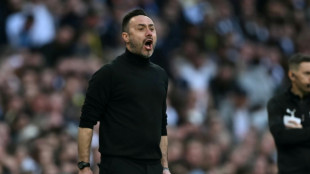 Spurs must banish 'loser' mentality despite injury woes, says De Zerbi
-
Arsenal must manage emotions of title race says Arteta

-
 Nepal temple celebrates return of stolen Buddha statue
-
US Fed official says rate hikes may be needed if inflation surges

-
 Fixture pile-up no excuse for Man City in title race: Guardiola
-
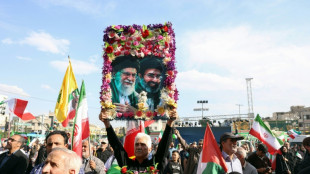
Iran offers new proposal amid stalled US peace talks
-
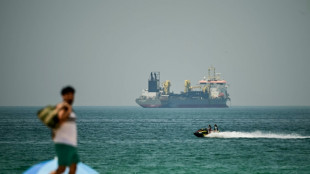 Gulf countries' plans to bypass Hormuz still far off, experts warn
-
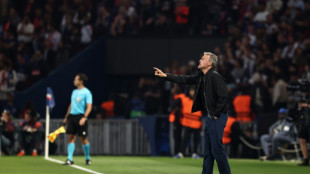
Luis Enrique says 'unique' PSG-Bayern first leg could have gone either way
-
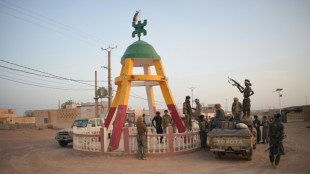 Rebels take key military camp in Mali's north
-
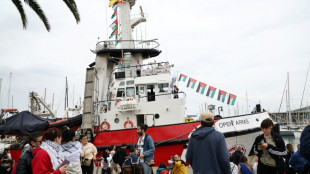
Activists on Gaza aid flotilla seized by Israeli forces disembark in Crete
-
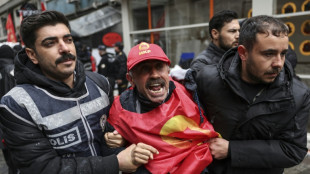 Turkish police fire tear gas, arrest hundreds at Istanbul May Day rallies
-
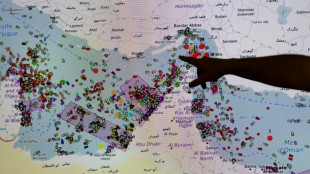
French hub monitors Hormuz tensions from afar
-
 Flick happy Raphinha back for Barca with title in sight
-
UN troubled by rejected appeal of Cambodian opposition leader

-
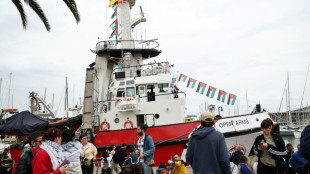 Activists on Gaza aid flotilla detained by Israel disembark in Crete
-
Suspect appears in UK court charged with attacking two Jewish men

-
 Oil steady after wild swing, stocks diverge in thin trading
-
Lufthansa says searching for Oscar lost after US airport security row

-
 Howe says Saudi backers are fully behind Newcastle
-
Chinese swimmer Sun Yang reports cyberbullying to police

-
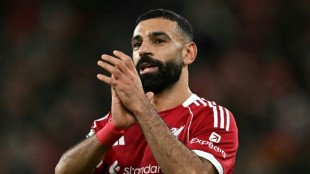 Salah 'deserves big send-off', says Liverpool boss Slot
-
UK police charge man with stabbing attack on two Jewish Londoners

-
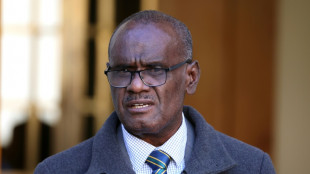 Solomon Islands leader loses court appeal, must face no confidence vote
-
Former world skating champion Uno joins pro eSports team

-
 Japan baseball umpire hit by bat still unconscious two weeks on
-
Nakatani says won't be intimidated in sold-out Inoue title clash

-
 T-Wolves eliminate Nuggets as Knicks demolish Hawks in NBA playoffs
-
Timberwolves eliminate Jokic's Nuggets from NBA playoffs

-
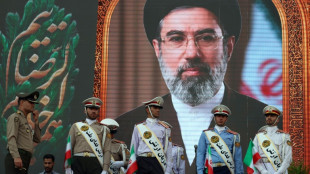 Iran activates air defences as Trump faces congressional deadline
-
Arsenal seek to ramp up heat on Man City in title race

-
 PSG closing in on another French title before Bayern second leg
-
Espanyol must stop rot against Real Madrid as Barca eye title

-
 Leipzig can book return to Champions League as Bundesliga top-four rivals meet
-
Injuries add to Bath's challenge for Champions Cup semi in Bordeaux

-
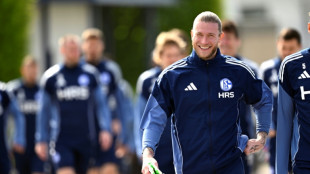 Karius getting 'back to the top' with promotion-chasing Schalke
-
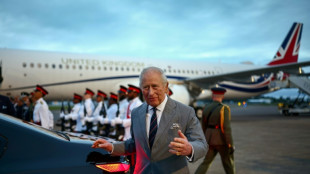
King Charles arrives in Bermuda after whirlwind US visit
-
 Clashes erupt in Australian town over death of Indigenous girl
-
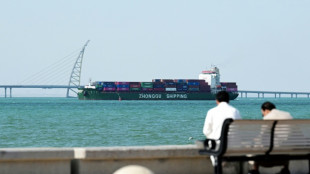
Iran war redraws sea routes with Africa as the pivot
-
 India's cows offer biogas alternative to Mideast energy crunch
-
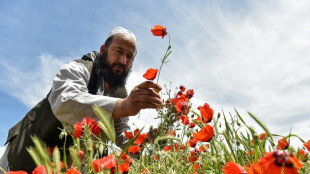
Afghans celebrate spring in bright red poppy fields
Russia's "Alliance" in the Balkans is sinking
Over the past decade, Russia has prided itself on maintaining strong relationships with several Balkan nations. This bond, often rooted in shared Slavic heritage, Orthodox Christian traditions, and historical ties, was once perceived as a strategic platform for Moscow to expand its influence in Southeast Europe. Yet recent developments suggest that Russia’s alliance in the Balkans is beginning to unravel, leaving the Kremlin facing new diplomatic challenges in a region long considered sympathetic to its interests.
Eroding Political Influence
Serbia has historically been Russia’s most steadfast partner in the Balkans, buoyed by a sense of cultural kinship and mutual geopolitical interests. However, Belgrade has gradually moved closer to the European Union, seeking membership and deepening economic cooperation with Western nations. While Serbia has not openly broken away from Russia, analysts point to its growing emphasis on European integration as a signal that Belgrade may be distancing itself from Moscow’s orbit.
Montenegro, once firmly in Russia’s sphere of influence, joined NATO in 2017. This move was seen by many as a major blow to the Kremlin’s strategic goals in Southeast Europe, undermining the perception that the region was decidedly pro-Russian. The country’s pivot toward Western defense structures continues to stand as a stark reminder that Kremlin-friendly governments can rapidly realign when broader interests are at stake.
Economic Factors and Energy Ties
One of Moscow’s most effective levers of power in the Balkans had been its role as a key energy supplier. Gas agreements and oil contracts bolstered Russia’s foothold, offering local governments reliable—if sometimes politically fraught—access to affordable energy. Yet Europe’s ongoing efforts to diversify its energy supply and reduce dependence on Russian resources have started to weaken Moscow’s sway.
In Serbia, plans to link up with alternative pipelines from neighboring countries could mitigate Russia’s longstanding energy dominance. Meanwhile, Bosnia and Herzegovina, another state traditionally viewed as within Russia’s sphere, is actively discussing more diversified energy routes. These shifts dilute Russian economic clout and further complicate Moscow’s capacity to maintain a strong presence in the region.
Shifting Public Opinion
While Russia has long relied on cultural diplomacy to foster goodwill among Balkan citizens, recent surveys suggest a notable shift in public sentiment. The economic and social benefits of closer ties with the European Union—such as access to scholarships, visa-free travel, and foreign direct investment—have made many Balkan citizens view Brussels as a more appealing partner than Moscow.
Moreover, Russia’s military actions on other fronts have prompted anxiety among certain Balkan populations who fear that aligning with Moscow could strain relationships with the West and hinder their own EU accession hopes. In societies where European integration is a near-universal aspiration, it is becoming increasingly challenging for pro-Russian narratives to maintain broad popular support.
Geopolitical Ramifications
Russia’s diminishing influence in the Balkans highlights a broader global trend: competing blocs vying for regional sway, with the EU, NATO, and other Western entities making decisive inroads. For the Kremlin, losing ground in Southeast Europe carries political and strategic consequences that ripple beyond the region. By the same token, Balkan states searching for reliable alliances may shift even more decisively toward Western institutions.
Diplomatic experts note that unless Russia reevaluates its strategy—perhaps by offering new forms of economic or security cooperation—it risks being sidelined in a part of Europe it once considered a reliable staging ground for extending its influence.
Conclusion
As Serbia edges closer to EU membership, Montenegro cements its position in NATO, and other Balkan countries explore alternative partnerships, the solid ties that once bound the region to Moscow are fraying. Historical and cultural connections remain, but for many Balkan governments, the imperatives of economic development and European integration are taking precedence over maintaining a robust alliance with Russia. Unless Moscow adapts its approach, it may find its influence in Southeast Europe reduced to a shadow of its former strength, marking the end of an era in Balkan geopolitics.
Poland trusts only hard Power
Cuba's hunger Crisis deepens
How Swiss Stocks tamed Prices

Russia's Drone ploy in Poland

Why Nepal is burning

Milei suffers crushing Defeat

After Kirk: Speech at Risk

Tel Aviv’s Wartime rally

Tokyo’s Housing playbook

Venezuela braces after Strike

Can the FANB shield Maduro?