-
 Immersive art: museum-goers in bikinis dive into Cezanne
-
Gaza activists disperse after flotilla halted by Israel off Crete

-
 US sanctions are 'collective punishment,' says Cuba during May 1 marches
-
Top seeds Sinner, Zverev reach Madrid Open final

-
 Pope names former undocumented migrant as US bishop of West Virginia
-
Delhi end slump with team-record chase against Rajasthan

-
 Trump says will raise US tariffs on EU cars to 25%
-
AI actors and writers not eligible for Oscars: Academy

-
 Rebels take key military base in Mali's north
-
ExxonMobil CEO sees chance of higher oil prices as earnings dip
-
 Leclerc on top for Ferrari ahead of Verstappen and Piastri
-
After Madonna and Lady Gaga, Shakira set for Rio beach mega-gig

-
 Trump says will raise US tariffs on EU cars, trucks to 25%
-
Godon raises game to take Romandie stage and revenge over leader Pogacar

-
 Celtic's O'Neill expects no let-up from Hibs despite fans' feelings
-
Pope names former undocumented migrant as US bishop
-
 Javelin star Kitaguchi teams up with Czech legend Zelezny
-
Sawe sub-2hr marathon captured 'global imagination' says Coe

-
 King Charles gets warm welcome in Bermuda after whirlwind US visit
-
Sinner shines to beat Fils, reach Madrid Open final

-
 UK court clears comedy writer of damaging transgender activist's phone
-
Was LIV Golf an expensive failure for Saudis? Not everyone thinks so
-
 Coe hails IOC gender testing decision
-
McInnes wants Tynecastle in 'full glory' for Hearts title charge

-
 McFarlane says troubled Chelsea still attractive to potential managers
-
Man Utd boss Carrick relishes 'special' Liverpool rivalry

-
 Baguettes take centre stage on France's Labour Day
-
Spurs must banish 'loser' mentality despite injury woes, says De Zerbi
-
 Arsenal must manage emotions of title race says Arteta
-
Nepal temple celebrates return of stolen Buddha statue

-
 US Fed official says rate hikes may be needed if inflation surges
-
Fixture pile-up no excuse for Man City in title race: Guardiola
-
 Iran offers new proposal amid stalled US peace talks
-
Gulf countries' plans to bypass Hormuz still far off, experts warn

-
 Luis Enrique says 'unique' PSG-Bayern first leg could have gone either way
-
Rebels take key military camp in Mali's north

-
 Activists on Gaza aid flotilla seized by Israeli forces disembark in Crete
-
Turkish police fire tear gas, arrest hundreds at Istanbul May Day rallies

-
 French hub monitors Hormuz tensions from afar
-
Flick happy Raphinha back for Barca with title in sight

-
 UN troubled by rejected appeal of Cambodian opposition leader
-
Activists on Gaza aid flotilla detained by Israel disembark in Crete

-
 Suspect appears in UK court charged with attacking two Jewish men
-
Oil steady after wild swing, stocks diverge in thin trading

-
 Lufthansa says searching for Oscar lost after US airport security row
-
Howe says Saudi backers are fully behind Newcastle

-
 Chinese swimmer Sun Yang reports cyberbullying to police
-
Salah 'deserves big send-off', says Liverpool boss Slot

-
 UK police charge man with stabbing attack on two Jewish Londoners
-
Solomon Islands leader loses court appeal, must face no confidence vote
US Federal Reserve with “announcement”
In a widely-followed press conference, the US Federal Reserve (Fed) announced a significant economic contraction in order to control the growing risk of inflation in the United States. With this decision, the central bank is reacting to persistently high rates of inflation and a rapidly changing economic situation. At the same time, the measure sends a signal to companies and financial markets: after a phase of historically low interest rates and extremely loose monetary policy, the course could now change in the direction of a more restrictive phase.
Rising interest rates and tighter monetary policy:
Contrary to the course of recent years, when the Federal Reserve supported the economy with low interest rates, the focus is now on interest rate hikes and a reduction in the Fed's balance sheet. This is intended to dampen excessive demand, slow credit growth and contain inflation. Fed Chairman Jerome Powell emphasized that these steps are necessary to ensure sustainable and stable economic development over the medium term.
Market analysts see the announced contraction as a significant policy shift. Many investors had already expected interest rate hikes, but the clear focus on a restrictive policy exceeded the expectations of some observers. As a result, stock markets came under short-term pressure and the US dollar depreciated slightly against other leading currencies.
Background: Inflation and economic uncertainties:
The rate of inflation in the US has reached record levels in recent months. Supply bottlenecks, rising energy prices and high consumer demand had noticeably driven up prices. In addition, numerous economic stimulus packages initiated in response to the coronavirus crisis have stabilized the economy, but have also led to a high amount of money in circulation.
With the announcement of an economic contraction, the Fed is seeking a balance: on the one hand, price stability and a reduction in speculative bubbles should be ensured, while on the other hand, the Fed wants to avoid an excessive cooling of the economy. Jerome Powell emphasized that developments are being monitored closely and that the Fed is prepared to take action if necessary.
Impact on companies and consumers:
A more restrictive monetary policy primarily affects companies that have relied on cheap credit. For firms that finance growth through debt, costs could now rise, which could slow investment and expansion in some sectors.
Consumers are also likely to feel the effects of rising interest rates, especially real estate buyers and credit card customers. Higher mortgage rates could put the brakes on the residential real estate market and make buying a home more expensive.
At the same time, however, there are also positive aspects: an effective fight against inflation preserves the purchasing power of the population and can reduce speculation risks. In particular, people with savings could benefit from higher interest rates, provided that financial institutions adjust their rates.
Criticism and outlook:
Not all experts consider the Federal Reserve's move to be appropriate. Some critics warn that curbing growth too quickly could jeopardize new jobs and slow down the economic recovery after the pandemic. The fear is that if the US economy cools more sharply than expected, the labor market could deteriorate again and high inflation could only moderate moderately.
Nevertheless, many experts see the decision as overdue. In view of record inflation and a stock market environment that is overheated in some areas, there is a need for action to stabilize the fundamental data again. The coming months will show whether the US economy can strike a balance between stabilizing and avoiding a recession – or whether a more severe downturn is looming.
Conclusion:
The Federal Reserve has sent a clear signal to markets and consumers with its announcement of an economic contraction. Higher key interest rates and a tighter monetary policy should curb the record inflation and enable a more balanced economy. At the same time, there are risks for growth and the labor market if the economic environment deteriorates more quickly than expected. It remains to be seen whether this balancing act will be successful, but it is clear that the latest step marks the beginning of a new phase in US monetary policy.
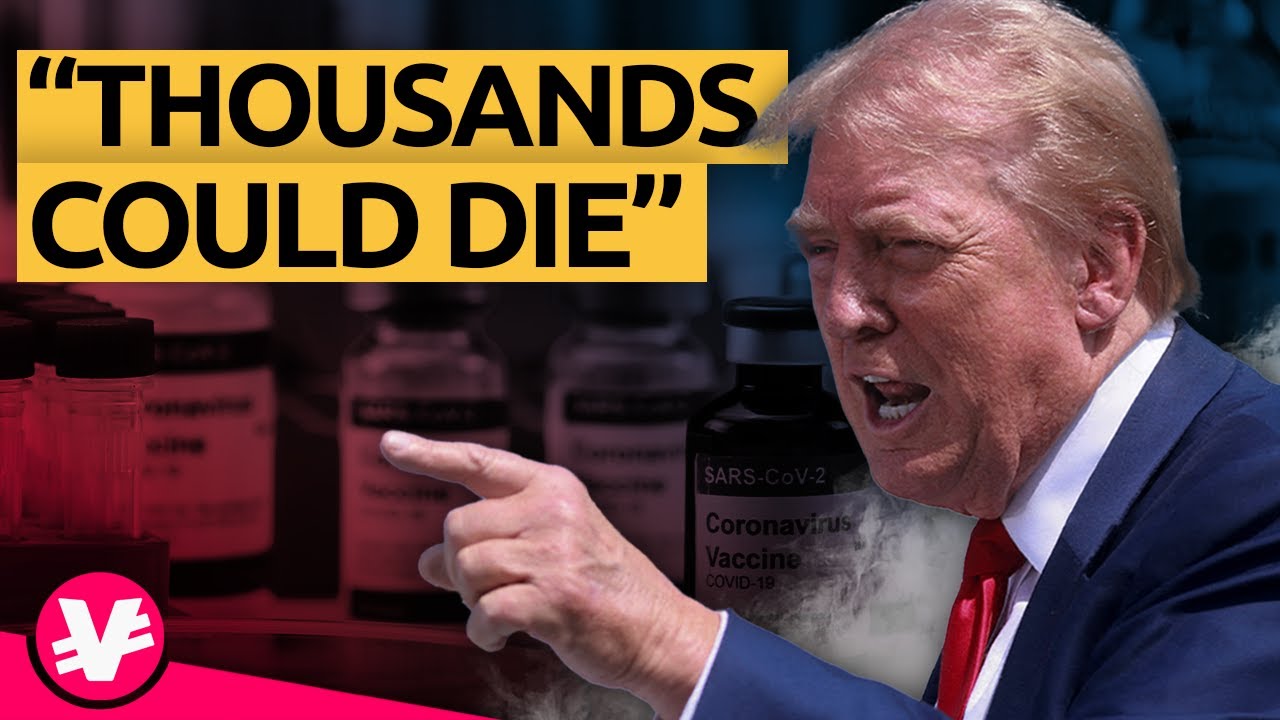
Trump’s Crackdown: Lives/Risk
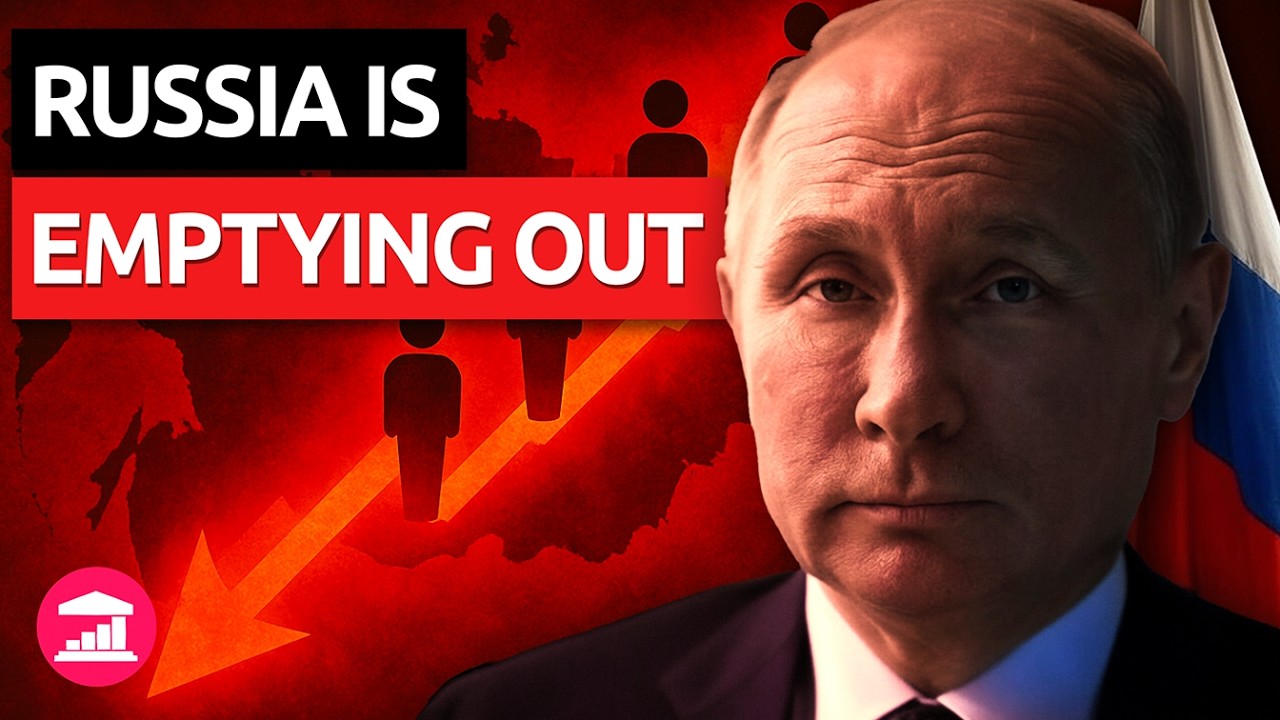
Russia's Population Plummets
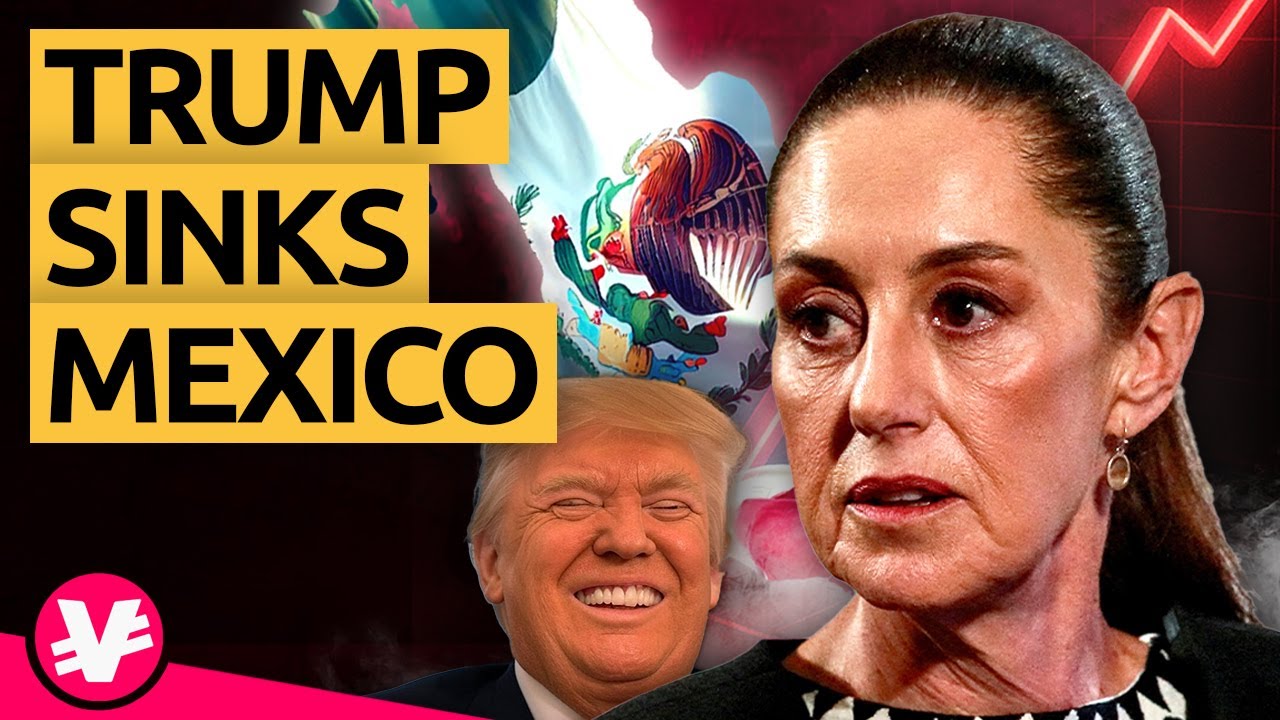
Trump's Tariffs Batter Mexico
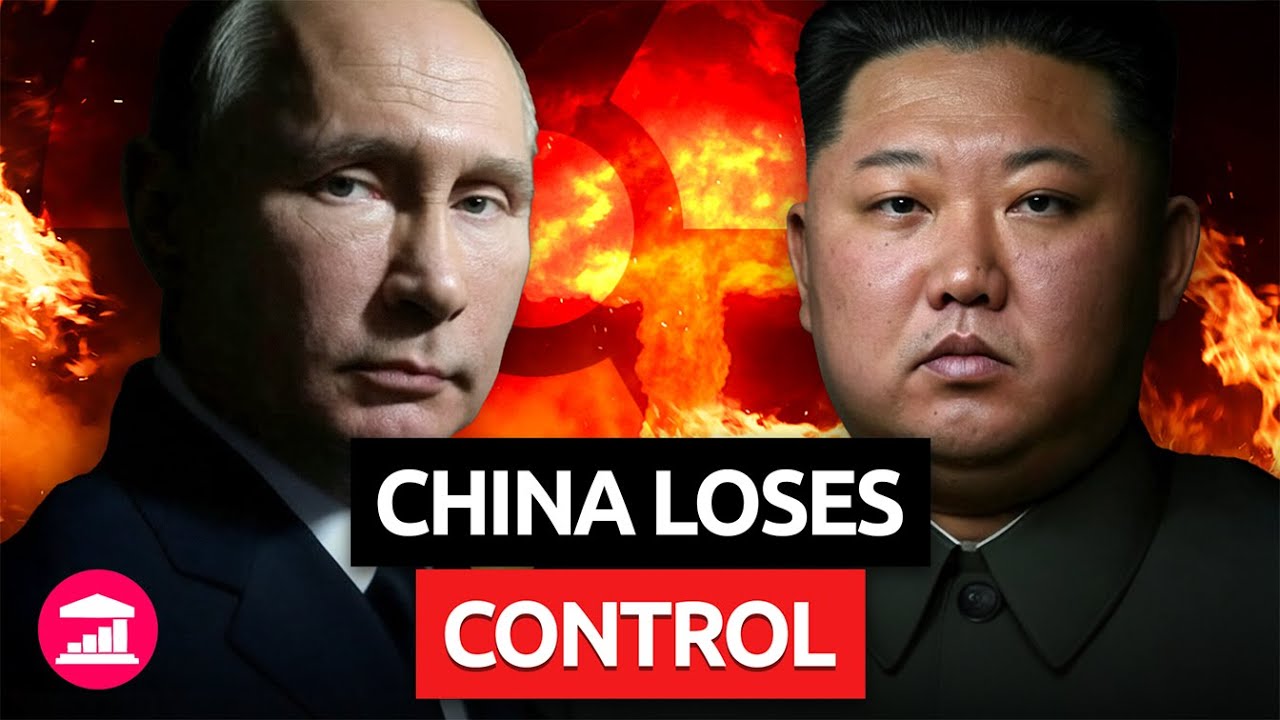
China vs. Putin and Kim?

Jewish Success: Myths & Facts

Zelensky's trap for Putin
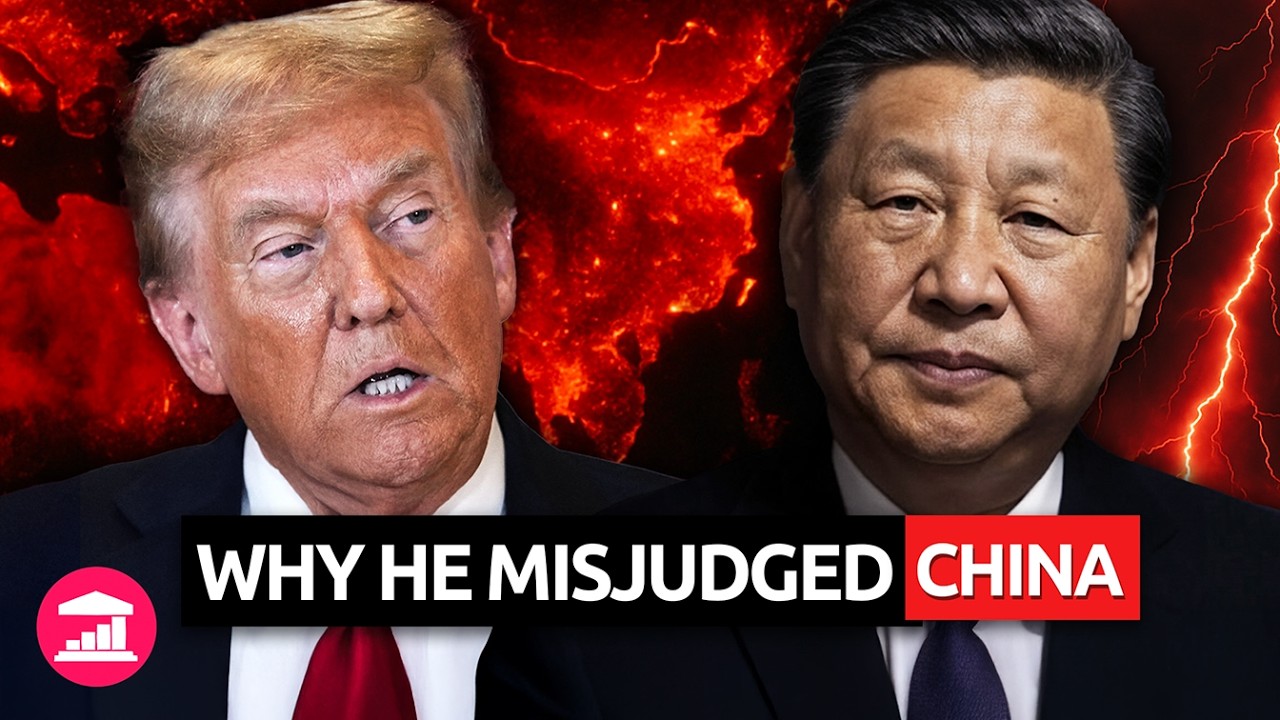
US tariff dispute: No winner

Euro Challenges Dollar's Reign

Leo XIV and Trump: Allies?

India-Pakistan War Fears Grow
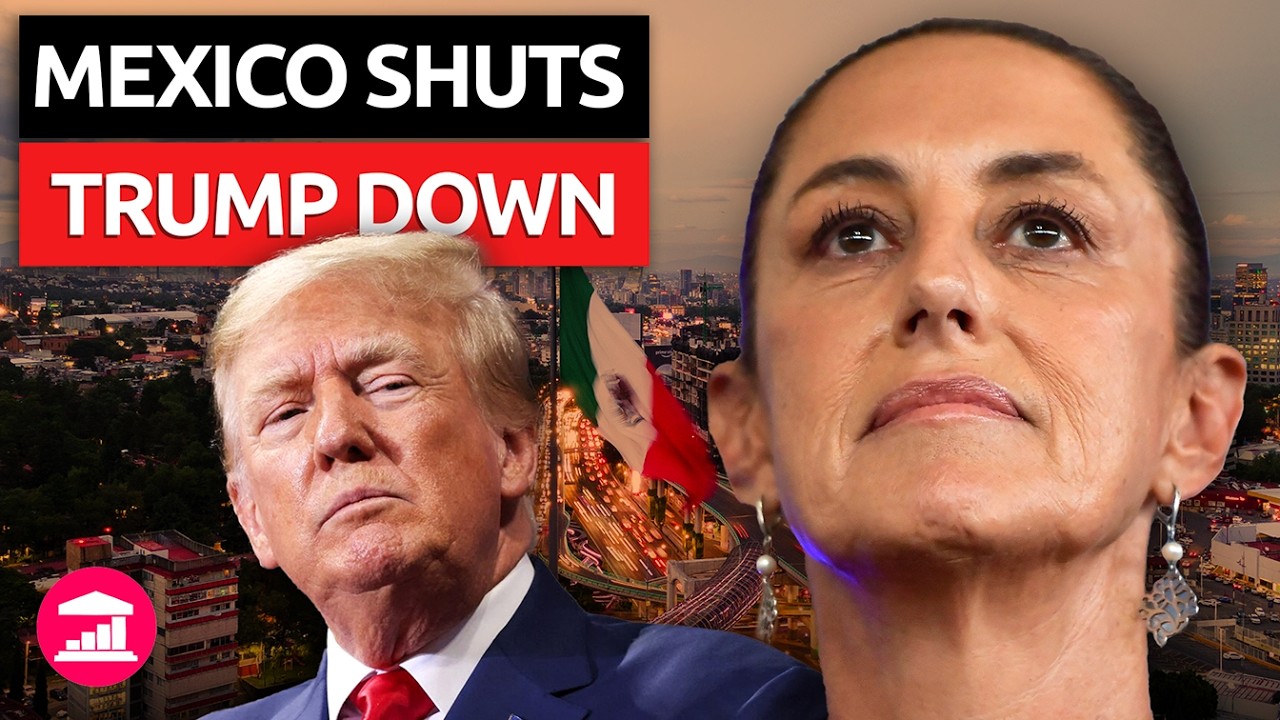
Mexico defies Trump's demands