-
 Delhi end slump with team-record chase against Rajasthan
-
Trump says will raise US tariffs on EU cars to 25%
-
 AI actors and writers not eligible for Oscars: Academy
-
Rebels take key military base in Mali's north

-
 ExxonMobil CEO sees chance of higher oil prices as earnings dip
-
Leclerc on top for Ferrari ahead of Verstappen and Piastri

-
 After Madonna and Lady Gaga, Shakira set for Rio beach mega-gig
-
Trump says will raise US tariffs on EU cars, trucks to 25%
-
 Godon raises game to take Romandie stage and revenge over leader Pogacar
-
Celtic's O'Neill expects no let-up from Hibs despite fans' feelings

-
 Pope names former undocumented migrant as US bishop
-
Javelin star Kitaguchi teams up with Czech legend Zelezny

-
 Sawe sub-2hr marathon captured 'global imagination' says Coe
-
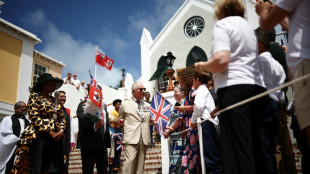
King Charles gets warm welcome in Bermuda after whirlwind US visit
-
 Sinner shines to beat Fils, reach Madrid Open final
-
UK court clears comedy writer of damaging transgender activist's phone
-
 Was LIV Golf an expensive failure for Saudis? Not everyone thinks so
-
Coe hails IOC gender testing decision

-
 McInnes wants Tynecastle in 'full glory' for Hearts title charge
-
McFarlane says troubled Chelsea still attractive to potential managers

-
 Man Utd boss Carrick relishes 'special' Liverpool rivalry
-
Baguettes take centre stage on France's Labour Day

-
 Spurs must banish 'loser' mentality despite injury woes, says De Zerbi
-
Arsenal must manage emotions of title race says Arteta

-
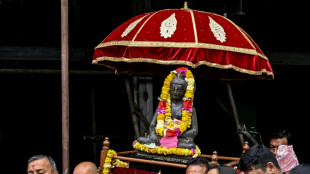 Nepal temple celebrates return of stolen Buddha statue
-
US Fed official says rate hikes may be needed if inflation surges
-
 Fixture pile-up no excuse for Man City in title race: Guardiola
-
Iran offers new proposal amid stalled US peace talks

-
 Gulf countries' plans to bypass Hormuz still far off, experts warn
-
Luis Enrique says 'unique' PSG-Bayern first leg could have gone either way

-
 Rebels take key military camp in Mali's north
-
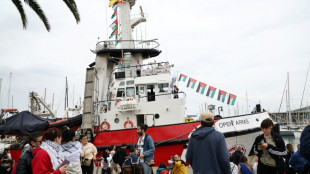
Activists on Gaza aid flotilla seized by Israeli forces disembark in Crete
-
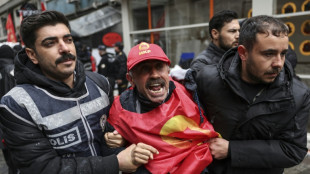 Turkish police fire tear gas, arrest hundreds at Istanbul May Day rallies
-
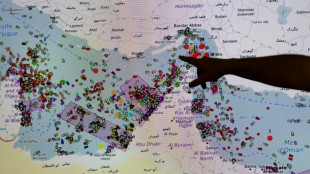
French hub monitors Hormuz tensions from afar
-
 Flick happy Raphinha back for Barca with title in sight
-
UN troubled by rejected appeal of Cambodian opposition leader
-
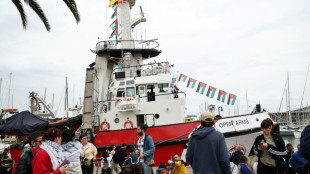 Activists on Gaza aid flotilla detained by Israel disembark in Crete
-
Suspect appears in UK court charged with attacking two Jewish men

-
 Oil steady after wild swing, stocks diverge in thin trading
-
Lufthansa says searching for Oscar lost after US airport security row

-
 Howe says Saudi backers are fully behind Newcastle
-
Chinese swimmer Sun Yang reports cyberbullying to police

-
 Salah 'deserves big send-off', says Liverpool boss Slot
-
UK police charge man with stabbing attack on two Jewish Londoners

-
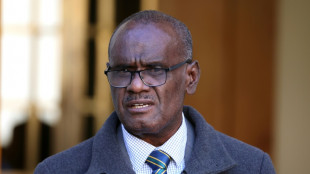 Solomon Islands leader loses court appeal, must face no confidence vote
-
Former world skating champion Uno joins pro eSports team

-
 Japan baseball umpire hit by bat still unconscious two weeks on
-
Nakatani says won't be intimidated in sold-out Inoue title clash

-
 T-Wolves eliminate Nuggets as Knicks demolish Hawks in NBA playoffs
-
Timberwolves eliminate Jokic's Nuggets from NBA playoffs

Germany doesn't want any more migrants?
Germany, once a beacon of openness during the 2015 migrant crisis when it welcomed over a million refugees, appears to be undergoing a profound shift in its stance on immigration. Under the leadership of Friedrich Merz, the newly elected chancellor from the Christian Democratic Union (CDU), the country is tightening its borders and rethinking its reliance on foreign labour. This pivot, driven by economic pressures, security concerns, and a resurgent far-right, raises questions about the future of a nation long defined by its post-war commitment to multiculturalism and economic pragmatism.
A Legacy of Openness Under Strain:
Germany’s immigration policy has historically been shaped by necessity and morality. After World War II, the "Wirtschaftswunder—the economic miracle—relied" on "Gastarbeiter" (guest workers) from Turkey and southern Europe to rebuild the nation. In 2015, Chancellor Angela Merkel’s decision to open borders to Syrian and other refugees was both a humanitarian gesture and a bid to bolster an ageing workforce. By 2020, immigrants and their descendants comprised 26% of Germany’s 83 million residents, per the Federal Statistical Office, contributing significantly to sectors like manufacturing and healthcare.
Yet, the mood has soured. The CDU’s victory in the 23 February 2025 federal election, securing 28.5% of the vote, came amid a surge for the anti-immigrant Alternative für Deutschland (AfD), which captured 20%. Merz, forming a coalition with the Social Democratic Party (SPD), has vowed to address what he calls “uncontrolled inflows,” signalling a departure from Merkel’s legacy.
Economic Pragmatism Meets Saturation:
Germany’s economy, Europe’s largest, has long depended on immigrants to fill labour gaps. In 2024, the Institute for Employment Research (IAB) estimated a shortage of 400,000 skilled workers, particularly in engineering and nursing. The birth rate, at 1.5 children per woman, remains well below replacement level, amplifying the need for foreign talent. So why the reversal?
Uneducated immigrants are a burden on the German welfare system:
Analysts point to a saturation point. Unemployment, though low at 5.5% in 2024, masks regional disparities and a growing perception that immigrants strain welfare systems. The influx of 200,000 Ukrainian refugees since 2022, while largely welcomed, has stretched housing and social services, with cities like Berlin reporting a 20% rise in rents over two years. Merz has argued that Germany must “prioritise integration over importation,” citing a 2024 Interior Ministry report that 30% of recent arrivals remain jobless after five years—a statistic seized upon by critics of open borders.
Security and the Far-Right Shadow - Too many Migaten are simply criminal:
Security concerns have further fuelled the shift. High-profile incidents, such as the December 2024 knife attack in Mannheim by an Afghan asylum seeker, which left three dead, have reignited debates about vetting and deportation. The AfD, capitalising on such events, has pushed a narrative of “immigrant crime,” despite data showing that foreign nationals’ offence rates (excluding immigration violations) align with those of native Germans. Merz, while distancing himself from the AfD’s rhetoric, has pledged tougher asylum rules and faster removals of rejected applicants, a nod to public unease.
The far-right’s electoral gains—126 projected Bundestag seats—have pressured mainstream parties to act. Posts on X reflect a polarised populace: some decry “a betrayal of German values,” while others cheer “a return to sovereignty.” Merz’s coalition, balancing the SPD’s pro-immigration leanings, must navigate this divide.
Policy Shifts and Global Implications:
Concrete measures are emerging. In February 2025, Merz announced plans to cap asylum applications at 100,000 annually—down from 300,000 in 2023—and expand “safe third country” agreements, allowing deportations to nations like Turkey. The Skilled Immigration Act, liberalised in 2023 to attract professionals, faces scrutiny, with proposals to raise income thresholds and tighten language requirements. Meanwhile, the EU’s New Pact on Migration, which Germany endorsed in 2024, is under review as Berlin seeks stricter external border controls.
Globally, this retrenchment could dim Germany’s image as a progressive leader. Its ageing population—projected to shrink to 79 million by 2050 without immigration—poses a long-term economic risk. The Confederation of German Employers (BDA) warned in January 2025 that curtailing inflows could cost 1% of GDP growth annually by 2030. Yet, political expediency seems to trump such forecasts for now.
A Nation at a Crossroads:
Germany’s turn from immigration reflects a confluence of pressures: economic limits, security fears, and a populist tide. It does not signal an absolute rejection—labour shortages ensure some openness persists—but a recalibration towards control and selectivity. For Merz, the challenge is twofold: assuaging a restive electorate while preserving the economic engine that immigrants have long fuelled. Whether this balancing act succeeds will shape not just Germany’s future, but Europe’s.

Holy souls on display at 2024 Venice Biennale

Brussels, my Love? EU-Market "sexy" for voters?

The great Cause: Biden-Harris 2024
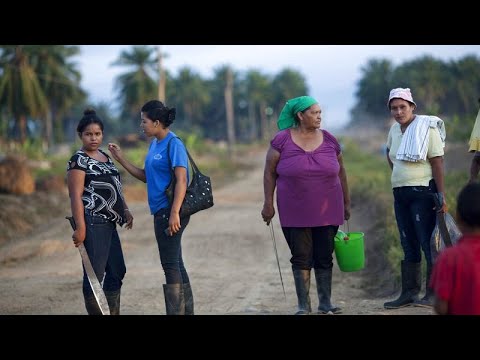
UN: Tackling gender inequality crucial to climate crisis

Scientists: "Mini organs" from human stem cells

ICC demands arrest of Russian officers

Europe and its "big" goals for clean hydrogen

Putin and the murder of Alexei Navalny (47†)

Measles: UK authorities call for vaccinate children
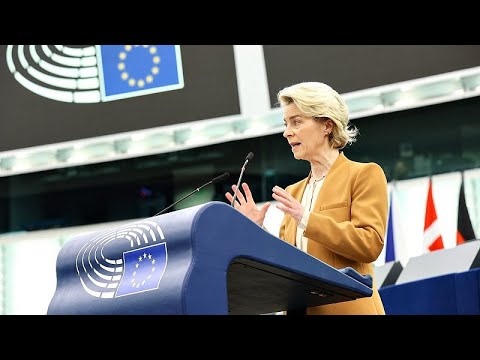
EU: Von der Leyen withdraws controversial pesticide law

EU: Prison for "paedophilia manuals" and child abuse forgeries